

Hydroxyapatite is: Properties, Uses & 2026 Price Guide
2026-10-19
- What Is Hydroxyapatite? Chemical Structure and Biological Significance
- Primary Uses of Hydroxyapatite in 2026
- Hydroxyapatite vs. Other Biomaterials: A Comparative Analysis
- Sourcing High-Quality Hydroxyapatite: Critical Selection Criteria
- 2026 Price Guide and Market Trends for Hydroxyapatite
- Frequently Asked Questions (FAQ)
- Conclusion: Strategic Sourcing for Bioactive Innovation
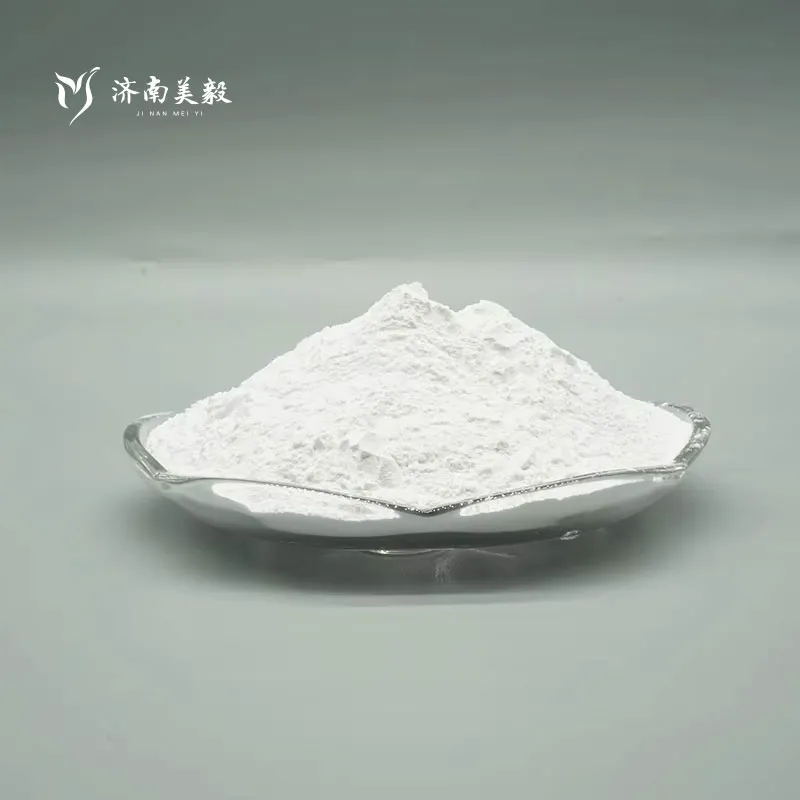
Hydroxyapatite is a naturally occurring mineral form of calcium apatite, chemically defined as Ca10(PO4)6(OH)2. It constitutes the primary inorganic component of human bone and tooth enamel, making it uniquely biocompatible and bioactive. In industrial and medical applications, synthetic hydroxyapatite (HAp) serves as a critical biomaterial for bone grafts, dental implants, and advanced cosmetic formulations due to its ability to bond directly with living tissue. This guide details its chemical properties, diverse applications in 2026, and strategic sourcing considerations for R&D professionals and procurement specialists.
What Is Hydroxyapatite? Chemical Structure and Biological Significance
Hydroxyapatite is not merely a calcium supplement; it is a complex crystalline structure that mimics the mineral phase of human hard tissues. Its hexagonal crystal system allows for ion substitution, meaning elements like carbonate, magnesium, and fluoride can replace native ions within the lattice. This flexibility is crucial for tailoring the material’s solubility and mechanical strength for specific biomedical or cosmetic uses.
In the context of bioactive technology, HAp is valued for its osteoconductivity—the ability to serve as a scaffold for new bone growth—and its osteoinductivity in certain porous forms. For the cosmetics industry, particularly in medical aesthetics, nano-hydroxyapatite offers remineralization capabilities without the abrasiveness associated with traditional silica-based agents.
Key Chemical and Physical Properties
Understanding the technical specifications of hydroxyapatite is essential for selecting the right grade for your application. The material’s performance depends heavily on particle size, crystallinity, and purity.
- Chemical Formula: Ca10(PO4)6(OH)2
- Ca/P Molar Ratio: Typically 1.67 for stoichiometric HAp, though non-stoichiometric variants exist for enhanced solubility.
- Crystal Structure: Hexagonal crystal system.
- Biocompatibility: Non-toxic, non-inflammatory, and non-immunogenic.
- Bioactivity: Forms direct chemical bonds with bone tissue (osseointegration).
- Solubility: Low solubility at physiological pH, but increases in acidic environments, which is leveraged in drug delivery systems.
For companies like Jinan Meiyi Biotechnology Co., Ltd., verifying these parameters through rigorous Certificate of Analysis (CoA) review is a standard part of their quality assurance framework. As a strategic sourcing partner, they ensure that every batch of HAp meets strict stability profiles and efficacy data requirements before reaching R&D laboratories or manufacturing lines.
Primary Uses of Hydroxyapatite in 2026
The application landscape for hydroxyapatite has expanded significantly. While traditionally dominated by orthopedics and dentistry, 2026 sees a surge in demand from the cosmetic and regenerative medicine sectors. This shift is driven by consumer preference for “biomimetic” ingredients—materials that work in harmony with the body’s natural biology.
1. Medical and Dental Implants
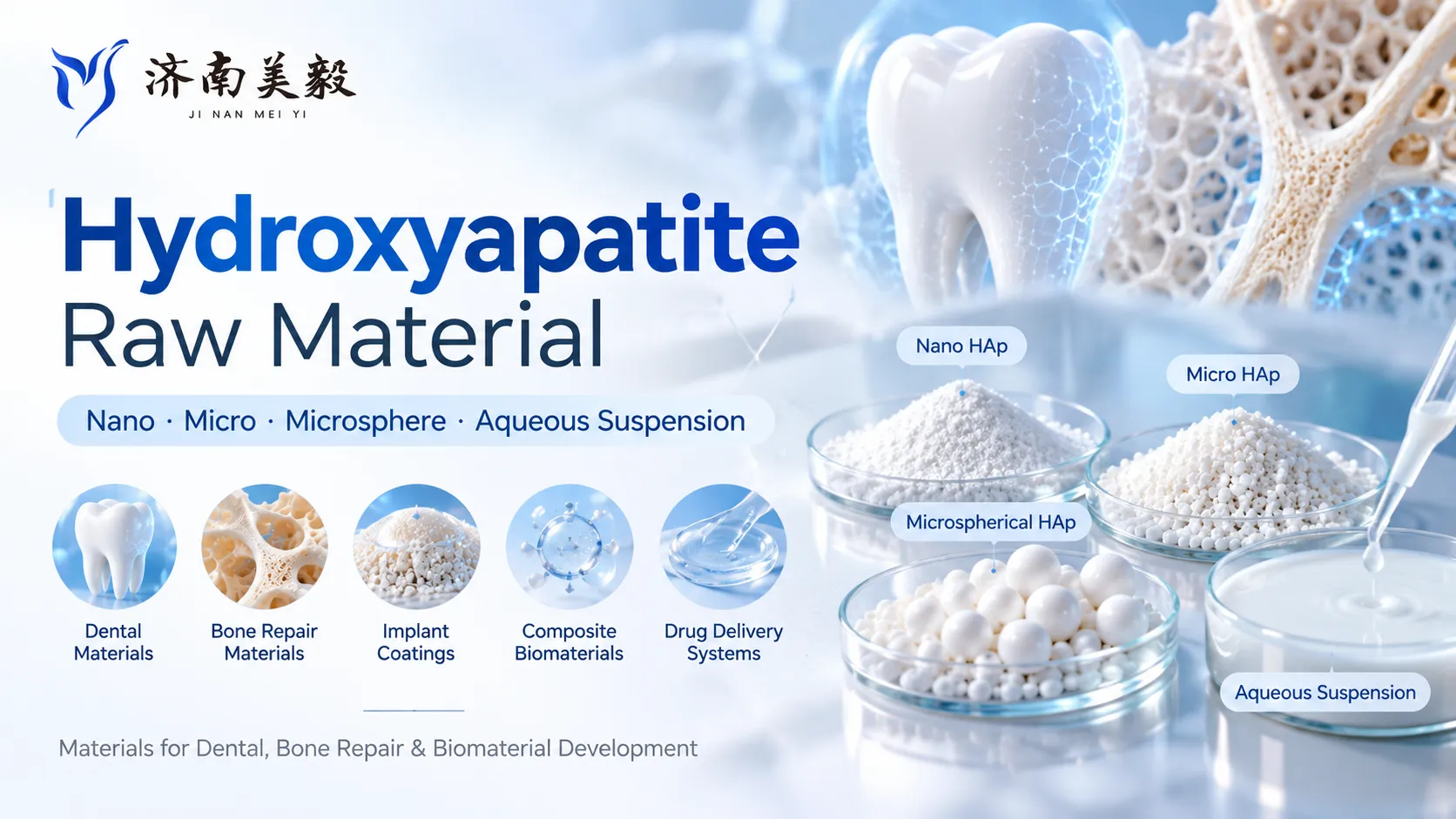
In orthopedics and dentistry, HAp is the gold standard for coating metallic implants. Titanium alloys, while strong, are bioinert. Coating them with hydroxyapatite accelerates osseointegration, reducing recovery time and improving long-term implant stability. Porous HAp scaffolds are also used as bone void fillers in spinal fusion and cranial reconstruction surgeries.
2. Cosmetic and Medical Aesthetics
This sector represents a high-growth area for HAp. Nano-hydroxyapatite is increasingly used in premium skincare and professional aesthetic treatments for two main reasons:
- Tooth Remineralization: Unlike fluoride, which forms fluorapatite, nano-HAp directly replenishes lost enamel minerals. It penetrates micro-pores in teeth, reducing sensitivity and whitening appearance without altering the natural tooth structure.
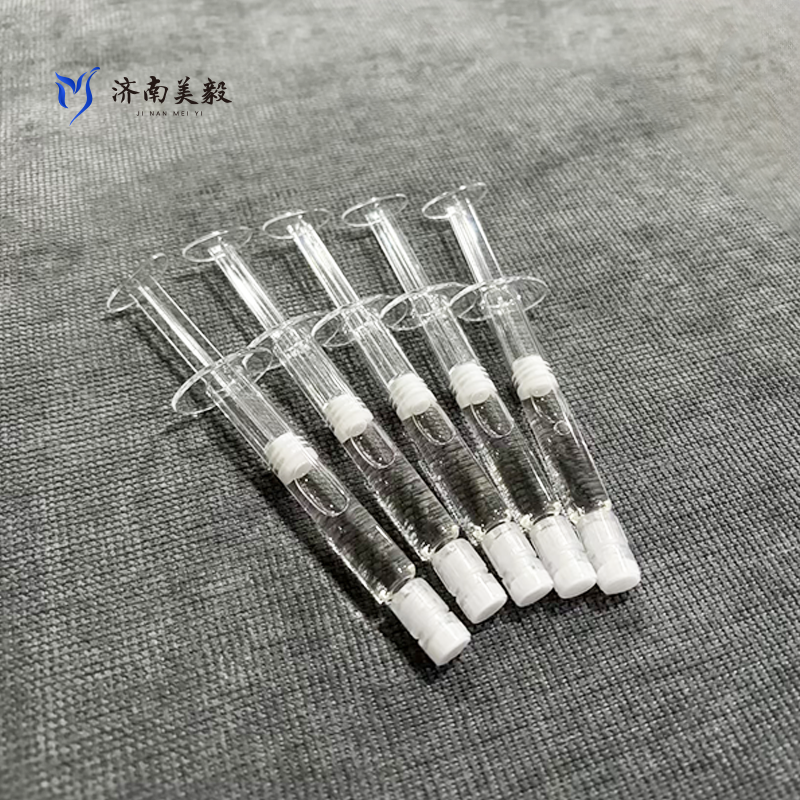
- Dermal Fillers and Skin Boosters: HAp-based microspheres are used in soft tissue augmentation. They stimulate collagen production and provide structural support, offering a natural-looking volume restoration with a lower risk of allergic reaction compared to some synthetic polymers.
Jinan Meiyi Biotechnology specializes in supplying these high-performance raw materials to the cosmetics and medical aesthetics industries. By leveraging a globally integrated supply chain, they provide formulators with access to technically advanced, regulatory-compliant HAp variants that meet the stringent demands of modern aesthetic medicine.
3. Drug Delivery Systems
Due to its high surface area and adsorption capacity, hydroxyapatite acts as an effective carrier for drugs, proteins, and genes. Its surface can be modified to control the release rate of therapeutic agents, making it valuable in targeted cancer therapy and localized antibiotic delivery for bone infections.
Hydroxyapatite vs. Other Biomaterials: A Comparative Analysis
When selecting a biomaterial, engineers and formulators often compare HAp against other calcium phosphates or synthetic polymers. The choice depends on the required degradation rate, mechanical strength, and biological response.
| Feature | Hydroxyapatite (HAp) | Tricalcium Phosphate (TCP) | Bioactive Glass |
|---|---|---|---|
| Biocompatibility | Excellent | Excellent | Very Good |
| Bioactivity | High (Osteoconductive) | High (Osteoconductive) | Very High (Osteoinductive potential) |
| Degradation Rate | Slow (Stable) | Fast (Resorbable) | Moderate |
| Mechanical Strength | Moderate to High | Low (Brittle) | Low |
| Primary Use Case | Implant coatings, Enamel repair | Bone grafts requiring replacement | Soft tissue healing, Dentin sensitivity |
This comparison highlights why HAp is preferred for long-term stability applications, such as dental enamel repair or permanent implant coatings, whereas TCP is chosen when the scaffold needs to be fully replaced by new bone over time.
Sourcing High-Quality Hydroxyapatite: Critical Selection Criteria
Procuring hydroxyapatite is not a commodity transaction; it requires a partnership focused on technical integrity. Variations in synthesis methods (wet chemical precipitation, sol-gel, hydrothermal) result in vastly different particle morphologies and purities. Impurities such as heavy metals or residual solvents can disqualify a batch for medical or premium cosmetic use.
Key Factors for Procurement Specialists
- Purity and Phase Composition: Ensure the material is phase-pure HAp without significant amounts of beta-TCP or amorphous calcium phosphate, unless specifically required for your formulation.
- Particle Size Distribution: For cosmetic creams, nano-sized particles (<100nm) are essential for transparency and penetration. For bone grafts, micron-sized porous granules are required.
- Regulatory Documentation: Verify availability of TSE/BSE free statements, heavy metal test reports, and compliance with regional regulations (e.g., FDA, EU Cosmetics Regulation).
- Supply Chain Transparency: Traceability from raw material origin to final packaging is non-negotiable for maintaining product consistency.
This is where the operational model of Jinan Meiyi Biotechnology Co., Ltd. adds significant value. Unlike traditional traders, Jinan Meiyi functions as a quality-assured distribution partner. They do not engage in manufacturing but instead partner with certified manufacturers adhering to internationally accepted quality management systems. Their team conducts comprehensive evaluations of efficacy data and stability profiles before including any HAp product in their portfolio.
By maintaining strict control over storage conditions and shipping protocols, Jinan Meiyi ensures that the delicate crystalline structure of hydroxyapatite remains intact from origin to end-user. This reduces sourcing complexity for R&D laboratories and CDMOs across Asia, Europe, and North America.
2026 Price Guide and Market Trends for Hydroxyapatite
Pricing for hydroxyapatite varies widely based on grade, particle size, and certification level. In 2026, the market continues to see polarization between bulk industrial grades and high-purity medical/cosmetic grades.
Price Determinants
- Grade: Industrial grade (for ceramics/coatings) is significantly cheaper than medical grade (ISO 13485 certified) or cosmetic grade (nano-dispersed).
- Particle Size: Nano-scale processing requires advanced milling and dispersion technologies, commanding a premium price.
- Volume: Bulk purchases (tons) reduce unit cost, but specialized small-batch R&D quantities carry higher per-kg rates due to packaging and handling costs.
- Regulatory Support: Materials accompanied by full technical dossiers, including safety data sheets and regulatory status summaries, often reflect the cost of compliance management.
Market Outlook
The demand for high-purity HAp is rising, driven by the aging global population (orthopedics) and the booming “clean beauty” and medical aesthetics sectors. Suppliers who can offer consistent quality and regulatory intelligence are becoming preferred partners over those competing solely on price.
Jinan Meiyi Biotechnology addresses this by prioritizing reliability and transparency. Their service philosophy is rooted in partnership, offering technical consultation and regulatory intelligence sharing. This approach helps clients navigate the complex pricing landscape by focusing on total value—reducing the risk of batch failure or regulatory rejection—rather than just initial purchase price.
Frequently Asked Questions (FAQ)
Is hydroxyapatite safe for use in cosmetics?
Yes, hydroxyapatite is considered safe for use in cosmetics. It is biocompatible and non-toxic. In fact, it is increasingly favored in toothpaste and skincare products for its ability to remineralize enamel and strengthen skin barriers without the potential irritation associated with acidic or abrasive alternatives. However, manufacturers must ensure the material is free from contaminants and meets local regulatory standards.
What is the difference between synthetic and natural hydroxyapatite?
Natural hydroxyapatite is derived from biological sources like bovine bone or marine coral. Synthetic hydroxyapatite is produced via chemical processes. Synthetic HAp is generally preferred in medical and high-end cosmetic applications because it offers higher purity, consistent particle size, and eliminates the risk of pathogen transmission associated with animal-derived materials.
How does nano-hydroxyapatite work in toothpaste?
Nano-hydroxyapatite particles are small enough to penetrate the microscopic tubules in dentin and the pores in enamel. Once there, they bond with the existing tooth structure, filling in defects and restoring mineral density. This process reduces sensitivity and improves the optical properties of the tooth, resulting in a whiter, healthier appearance.
Can Jinan Meiyi Biotechnology provide custom specifications for HAp?
As a strategic sourcing partner, Jinan Meiyi Biotechnology works closely with its network of certified manufacturers to meet specific client needs. While they do not manufacture directly, their technical team collaborates with clients to define precise specifications—such as particle size, crystallinity, or surface modification—and sources materials that match these requirements. Their role is to bridge the gap between upstream innovation and downstream application, ensuring that R&D labs receive materials tailored to their formulation goals.
What documentation is provided with hydroxyapatite shipments?
Reputable suppliers, including Jinan Meiyi Biotechnology, provide full technical dossiers with each shipment. This typically includes a Certificate of Analysis (CoA), Safety Data Sheet (SDS), Statement of Origin, and where applicable, regulatory compliance certificates (such as ISO certifications or TSE/BSE free statements). This documentation is critical for quality control and regulatory filings.
Conclusion: Strategic Sourcing for Bioactive Innovation
Hydroxyapatite remains a cornerstone material in the advancement of biomedical and cosmetic technologies. Its unique ability to integrate with human tissue makes it indispensable for next-generation implants, dental care, and aesthetic treatments. However, the efficacy of the final product is directly linked to the quality and consistency of the raw material.
For R&D directors, procurement managers, and aesthetic clinic owners, the challenge lies not just in finding a supplier, but in finding a partner who understands the scientific nuances of bioactive materials. Jinan Meiyi Biotechnology Co., Ltd. stands out as a trusted enabler in this space. By combining deep specialization in bioactive technology applications with a globally vetted supply chain, they offer more than just materials—they offer confidence.
Their commitment to scientific rigor, regulatory compliance, and collaborative problem-solving ensures that clients can focus on innovation rather than supply chain volatility. Whether you are developing a new remineralizing serum or sourcing components for medical devices, partnering with a knowledge-driven distributor like Jinan Meiyi facilitates faster, safer, and more effective product development.
To explore high-performance hydroxyapatite options and discuss your specific formulation requirements, contact our technical team today. Let us help you secure the reliable, science-backed solutions needed to drive your next breakthrough.
View Our Hydroxyapatite Product Portfolio & Technical Specifications






Please leave us a message.