

Hydroxyapatite Price 2026: Wholesale Supplier Guide
2026-10-20
- Understanding Hydroxyapatite Price Drivers in 2026
- Hydroxyapatite Price Breakdown by Grade and Application
- Strategic Sourcing: Why Partner with a Specialized Distributor?
- How to Evaluate Hydroxyapatite Quality Beyond Price
- Common Mistakes in Hydroxyapatite Procurement
- Future Trends Impacting Hydroxyapatite Market Prices
- Frequently Asked Questions (FAQ)
- Conclusion: Making Smart Sourcing Decisions
Hydroxyapatite price in 2026 varies significantly based on purity grade, particle size, and synthesis method, typically ranging from $50 to $300+ per kilogram for industrial and cosmetic grades. High-purity, nano-sized hydroxyapatite (HAp) intended for medical implants or advanced dermal fillers commands a premium due to stringent regulatory compliance and complex manufacturing processes. For B2B buyers, understanding the cost drivers—such as raw material sourcing, certification requirements (ISO, GMP), and supply chain stability—is critical for accurate budgeting. This guide analyzes current market trends, pricing structures, and strategic sourcing insights to help manufacturers and distributors optimize their procurement strategies.
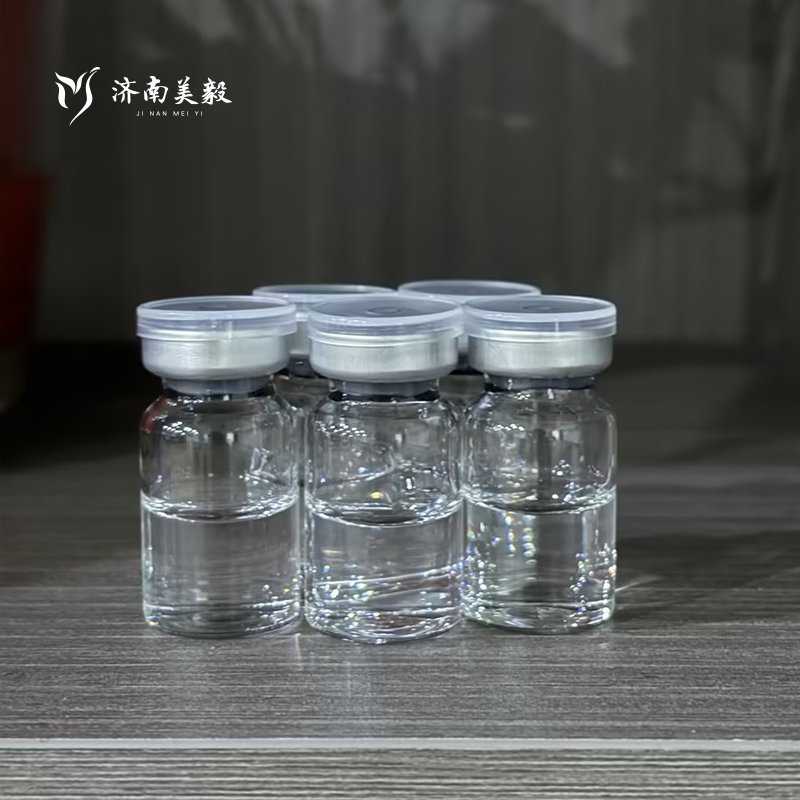
Understanding Hydroxyapatite Price Drivers in 2026
The global demand for hydroxyapatite has surged, driven by its versatility in biomedical applications, dental care, and increasingly, the medical aesthetics sector. As we move through 2026, the hydroxyapatite price is no longer determined solely by production volume. Instead, it reflects a complex interplay of quality assurance, regulatory adherence, and technological sophistication.
Buyers must distinguish between bulk industrial-grade HAp, used primarily in coatings and basic supplements, and high-performance bioactive grades designed for injectable fillers or bone regeneration scaffolds. The latter requires precise control over crystallinity, particle morphology, and endotoxin levels, directly impacting the final cost.
Key Factors Influencing Cost
- Purity and Composition: Stoichiometric hydroxyapatite with a Ca/P ratio of 1.67 is the gold standard. Deviations or the presence of impurities lower the price but also limit application potential.
- Particle Size and Morphology: Nano-hydroxyapatite (nHAp) requires advanced milling or wet chemical synthesis techniques, resulting in higher energy consumption and processing costs compared to micro-sized particles.
- Synthesis Method: Wet chemical precipitation is cost-effective for bulk production, while sol-gel and hydrothermal methods offer superior control over crystal structure at a higher price point.
- Regulatory Compliance: Materials certified for medical use (e.g., ISO 13485, GMP) undergo rigorous testing for biocompatibility, sterility, and traceability, adding significant value and cost.
- Supply Chain Stability: Geopolitical factors and raw material availability (calcium and phosphate sources) influence baseline pricing. Reliable suppliers who mitigate these risks often charge a premium for consistency.
Hydroxyapatite Price Breakdown by Grade and Application
To make informed purchasing decisions, it is essential to categorize hydroxyapatite by its intended application. The following table provides a comparative overview of estimated wholesale price ranges in 2026. Note that these are indicative market averages; specific quotes depend on order volume, customization, and supplier relationships.
| Grade/Application | Purity Level | Particle Size | Estimated Price Range (USD/kg) | Primary Use Cases |
|---|---|---|---|---|
| Industrial/Technical Grade | 95-98% | Micro (>1 µm) | $50 – $100 | Ceramic coatings, water filtration, basic agricultural supplements. |
| Cosmetic/Dental Grade | 99%+ | Sub-micron/Nano | $100 – $180 | Toothpaste remineralization, skincare active ingredients, bone graft substitutes. |
| Medical/Implant Grade | 99.9%+ | Nano (<100 nm) | $200 – $350+ | Orthopedic implants, dental implants, injectable dermal fillers, tissue engineering scaffolds. |
| Customized/Functionalized HAp | High Purity | Variable | $300 – $500+ | Drug delivery systems, ion-doped HAp (e.g., Strontium, Zinc), specialized research applications. |
It is crucial to recognize that lower-priced options often lack the comprehensive documentation required for regulated markets. For companies developing medical devices or premium cosmetics, the cost of non-compliance or product failure far outweighs the savings from cheaper raw materials.
Strategic Sourcing: Why Partner with a Specialized Distributor?
In the complex landscape of bioactive materials, direct manufacturing is not the only path to securing high-quality hydroxyapatite. Many leading R&D laboratories and aesthetic clinics prefer working with specialized distribution partners who offer strategic sourcing, quality assurance, and technical support. This is where Jinan Meiyi Biotechnology Co., Ltd. distinguishes itself in the global supply chain.
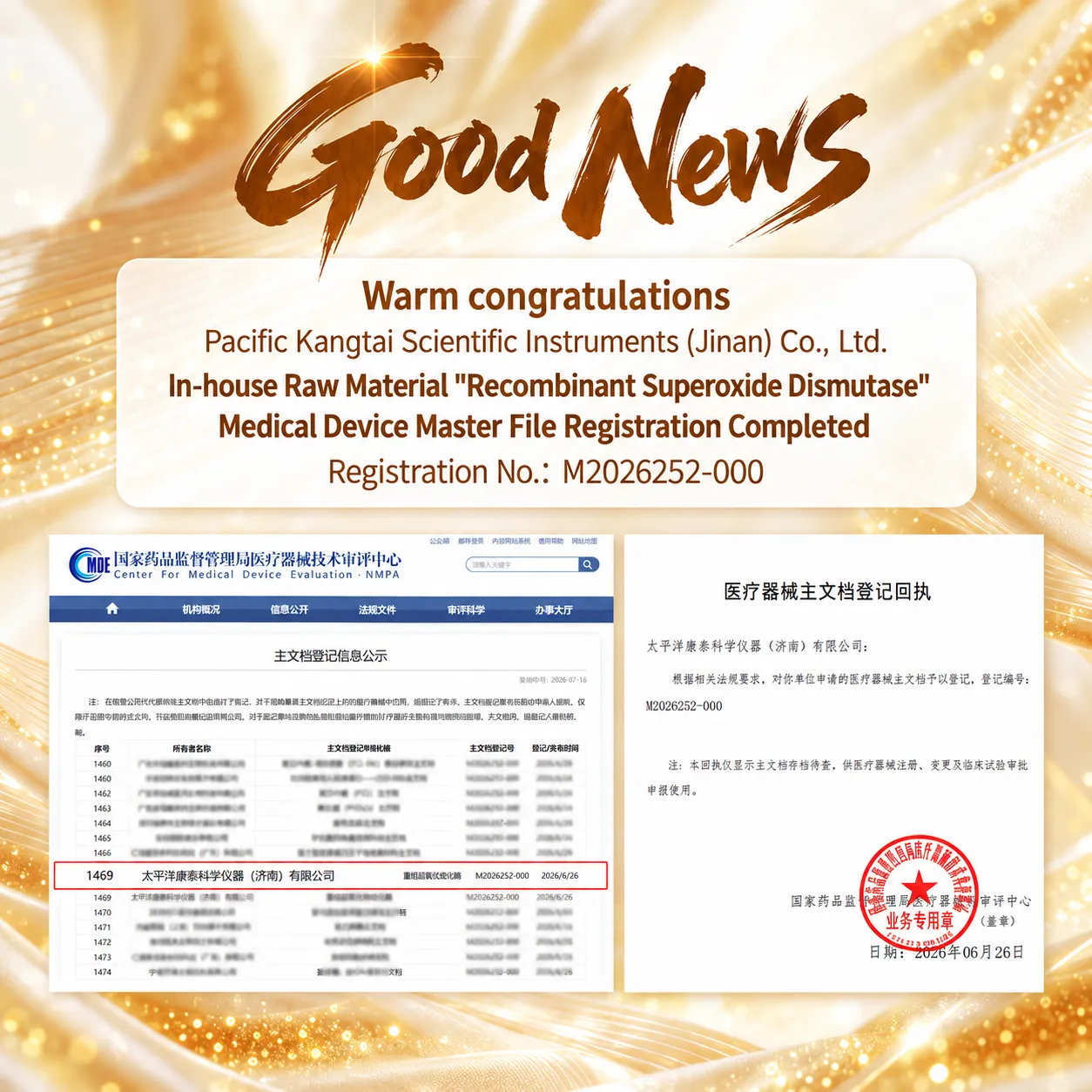
Headquartered in Jinan, Shandong Province, and operating as a subsidiary of Pacific Kangtai Scientific Instruments (Jinan) Co., Ltd., Jinan Meiyi Biotechnology focuses exclusively on the commercialization of bioactive technologies. Unlike traditional traders, the company positions itself at the intersection of scientific rigor and market responsiveness. It does not engage in raw material manufacturing itself; instead, it functions as a strategic sourcing and quality-assured distribution partner.
The Value of a Vetted Supply Chain
Jinan Meiyi Biotechnology leverages a well-established global network to maintain long-term cooperative relationships with internationally recognized suppliers. This model ensures consistent access to technically advanced, regulatory-compliant, and scientifically validated materials. For buyers concerned about hydroxyapatite price volatility and quality consistency, this approach offers several advantages:
- Rigorous Supplier Qualification: All raw materials undergo comprehensive evaluation prior to inclusion in the portfolio. Selection criteria are grounded in efficacy data, stability profiles, and compatibility with modern formulation standards.
- Documentation Traceability: Each batch of hydroxyapatite is accompanied by full technical dossiers, including Certificates of Analysis (COA), Safety Data Sheets (SDS), and regulatory status summaries. This transparency is vital for clients navigating strict regulatory environments in Europe and North America.
- Quality Assurance Without Manufacturing Overhead: By partnering with certified manufacturers adhering to internationally accepted quality management systems, Jinan Meiyi Biotechnology ensures product integrity without the capital expenditure of owning production facilities. This allows for greater flexibility and responsiveness to market needs.
Tailored Solutions for Cosmetics and Medical Aesthetics
The company’s core business is structured around two complementary pillars: the supply of cosmetic and bioactive raw materials, and the distribution of premium finished products. Within the raw materials segment, the focus is on active ingredients and functional components used in formulation development. This specialization is particularly relevant for the growing market of hydroxyapatite-based dermal fillers and skin rejuvenation treatments.
Jinan Meiyi Biotechnology actively monitors emerging trends in bioactive ingredient science and dermatological research. By integrating these insights into its portfolio strategy, the company helps clients reduce sourcing complexity while maintaining full confidence in material consistency. Whether supporting R&D laboratories, Contract Development and Manufacturing Organizations (CDMOs), or aesthetic clinics, the service philosophy is rooted in partnership rather than transaction.
How to Evaluate Hydroxyapatite Quality Beyond Price
While hydroxyapatite price is a primary consideration, focusing solely on cost can lead to significant downstream issues. High-quality HAp must meet specific physicochemical and biological criteria. Here is a checklist for evaluating potential suppliers and materials:
1. Crystallinity and Phase Purity
Use X-ray Diffraction (XRD) data to verify that the material is pure hydroxyapatite without secondary phases like tricalcium phosphate or calcium oxide. High crystallinity is essential for stability in physiological environments, while lower crystallinity may be preferred for faster resorption in bone grafts.
2. Particle Size Distribution
For injectable applications, particle size must be tightly controlled to prevent embolism and ensure smooth extrusion. Dynamic Light Scattering (DLS) or SEM images should be provided to confirm uniformity. Agglomeration is a common issue in lower-quality nano-HAp, which can compromise performance.
3. Heavy Metal and Endotoxin Limits
Medical and cosmetic grades must adhere to strict limits for heavy metals (Lead, Arsenic, Mercury) and bacterial endotoxins. Request test reports confirming compliance with USP, EP, or ISO standards. Jinan Meiyi Biotechnology ensures that all distributed materials meet these safety thresholds through rigorous batch-level specification verification.
4. Solubility and Bioactivity
The rate at which hydroxyapatite dissolves or interacts with biological fluids determines its efficacy. In vitro bioactivity tests, such as those measuring ion release profiles, provide insight into how the material will perform in actual applications.
Common Mistakes in Hydroxyapatite Procurement
Procuring bioactive materials involves nuanced decision-making. Avoid these common pitfalls to ensure project success:
- Ignoring Minimum Order Quantities (MOQs): Some manufacturers offer low prices only for large volumes. For R&D or niche aesthetic products, this can lead to excessive inventory costs. Partners like Jinan Meiyi Biotechnology often provide more flexible terms suited to diverse client needs.
- Overlooking Regulatory Documentation: Assuming that “medical grade” is a universal standard is dangerous. Different regions have different requirements. Ensure your supplier provides region-specific regulatory support.
- Neglecting Storage and Handling Requirements: Hydroxyapatite, especially nano-sized powder, is hygroscopic. Improper storage can lead to clumping and reduced dispersibility. Verify that your supplier maintains strict control over storage conditions and shipping protocols.
- Failing to Validate Supplier Claims: Always request samples for independent testing. Do not rely solely on marketing brochures. A reputable partner will encourage third-party validation.
Future Trends Impacting Hydroxyapatite Market Prices
Looking ahead, several trends are expected to influence the hydroxyapatite price trajectory beyond 2026:
Increased Demand in Medical Aesthetics: The shift towards biostimulatory fillers using calcium hydroxyapatite (CaHA) is accelerating. As more clinics adopt these treatments for skin tightening and volume restoration, demand for high-purity, sterile-grade HAp will rise, potentially stabilizing prices at a premium level.
Advancements in Synthesis Technology: New green chemistry methods aim to reduce the environmental impact and energy cost of HAp production. While initial adoption may be costly, these technologies could eventually lower production costs for high-quality materials.
Regulatory Tightening: Global regulatory bodies are increasing scrutiny on medical devices and cosmetic ingredients. Compliance costs will likely increase, favoring suppliers with robust quality management systems and transparent supply chains. This reinforces the value proposition of partners like Jinan Meiyi Biotechnology, who prioritize regulatory intelligence and compliance oversight.
Frequently Asked Questions (FAQ)
What is the average wholesale price of hydroxyapatite in 2026?
The average wholesale price ranges from $50 to $350+ per kilogram, depending on purity, particle size, and application grade. Industrial grades are at the lower end, while medical and nano-sized cosmetic grades command higher prices due to processing complexity and regulatory requirements.
Why is nano-hydroxyapatite more expensive than micro-hydroxyapatite?
Nano-hydroxyapatite requires advanced synthesis and milling techniques to achieve particle sizes below 100 nanometers. This process is energy-intensive and requires strict control to prevent agglomeration. Additionally, nano-HAp offers superior bioactivity and absorption rates, justifying the premium for high-end cosmetic and medical applications.
How can I ensure the hydroxyapatite I buy is safe for cosmetic use?
Ensure the supplier provides a Certificate of Analysis (COA) confirming purity, heavy metal limits, and microbial counts. Look for compliance with relevant cosmetic regulations (e.g., EU Cosmetic Regulation, FDA guidelines). Working with a verified distributor like Jinan Meiyi Biotechnology ensures that all materials undergo rigorous safety evaluations and come with complete technical dossiers.
Does Jinan Meiyi Biotechnology manufacture hydroxyapatite?
No, Jinan Meiyi Biotechnology does not engage in manufacturing raw materials. It operates as a strategic sourcing and quality-assured distribution partner. The company partners with certified manufacturers adhering to international quality standards, ensuring clients receive high-integrity, functionally validated ingredients backed by robust documentation.
What documents should I expect when purchasing hydroxyapatite?
You should receive a Certificate of Analysis (COA), Safety Data Sheet (SDS), and potentially a Statement of Conformity regarding specific regulations (e.g., REACH, ISO). For medical grades, additional biocompatibility test reports and sterilization certificates may be required. Jinan Meiyi Biotechnology provides full technical dossiers for all distributed materials.
Conclusion: Making Smart Sourcing Decisions
Navigating the hydroxyapatite price landscape in 2026 requires a balance between cost efficiency and quality assurance. For businesses in the cosmetics, medical aesthetics, and biomedical sectors, the reliability of your raw material supplier is paramount. Cheap materials can lead to product failures, regulatory setbacks, and reputational damage.
Jinan Meiyi Biotechnology Co., Ltd. offers a compelling solution for companies seeking high-performance bioactive materials without the complexities of direct manufacturing management. By leveraging a globally integrated and vetted supply chain, the company provides access to premium hydroxyapatite and other active ingredients that meet the highest standards of efficacy and safety. Their partnership-oriented service model, emphasizing technical consultation and regulatory awareness, enables clients to innovate with confidence.
Whether you are developing next-generation dermal fillers, advanced skincare formulations, or bone regeneration solutions, choosing the right partner is as important as choosing the right material. Prioritize suppliers who offer transparency, technical expertise, and consistent quality.
Ready to optimize your raw material sourcing?
Contact our technical team to discuss your specific hydroxyapatite requirements, request samples, or obtain a customized quote. Let us help you bridge the gap between scientific innovation and market success.





Please leave us a message.