

PDRN Powder: Wholesale Price & OEM Manufacturer
2026-09-03
- What Is PDRN Powder? Definition and Core Composition
- How PDRN Powder Works: Mechanism of Action
- Why Choose PDRN Powder Over Pre-Mixed Solutions?
- Applications of PDRN Powder in Aesthetics and Skincare
- OEM Manufacturing and Quality Standards for PDRN Powder
- Partnering with Jinan Meiyi Biotechnology for Premium PDRN Solutions
- How to Reconstitute and Use PDRN Powder: Step-by-Step Guide
- Selection Guide: Choosing the Right PDRN Powder Supplier
- Common Mistakes to Avoid When Handling PDRN Powder
- FAQ: Frequently Asked Questions About PDRN Powder
- Conclusion: Strategic Value of PDRN Powder for Your Business
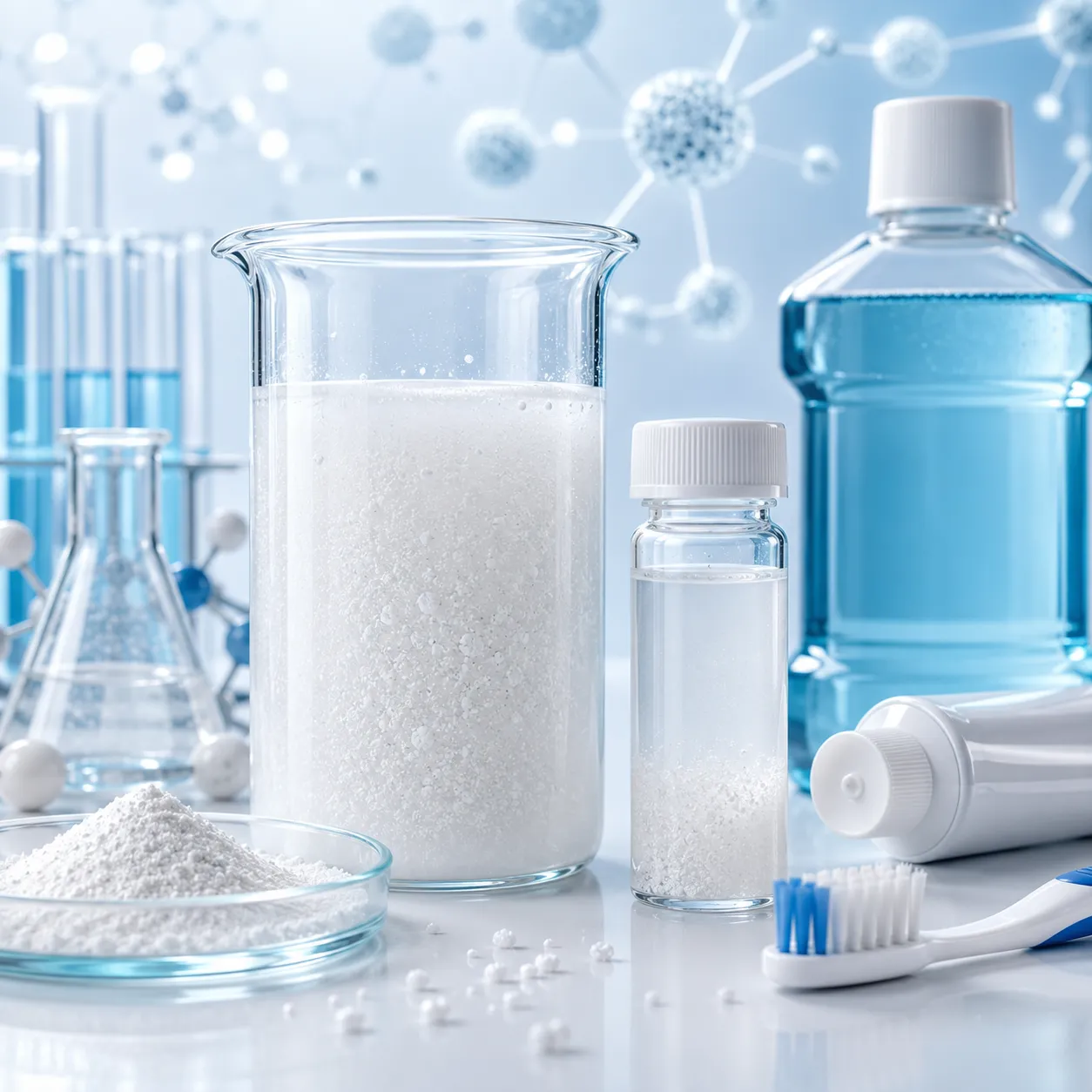
PDRN powder is a high-purity, lyophilized form of Polydeoxyribonucleotide derived from salmon DNA. It serves as the foundational raw material for regenerative aesthetic treatments, skin rejuvenation injectables, and advanced topical skincare formulations. As a wholesale ingredient, PDRN powder offers manufacturers and clinics a cost-effective, stable, and versatile solution for creating customized biostimulatory products. Sourcing directly from a reliable supply partner ensures strict quality control, consistent molecular weight distribution, and compliance with international GMP standards, enabling brands to develop proprietary skin repair solutions with verified efficacy and safety profiles.
What Is PDRN Powder? Definition and Core Composition
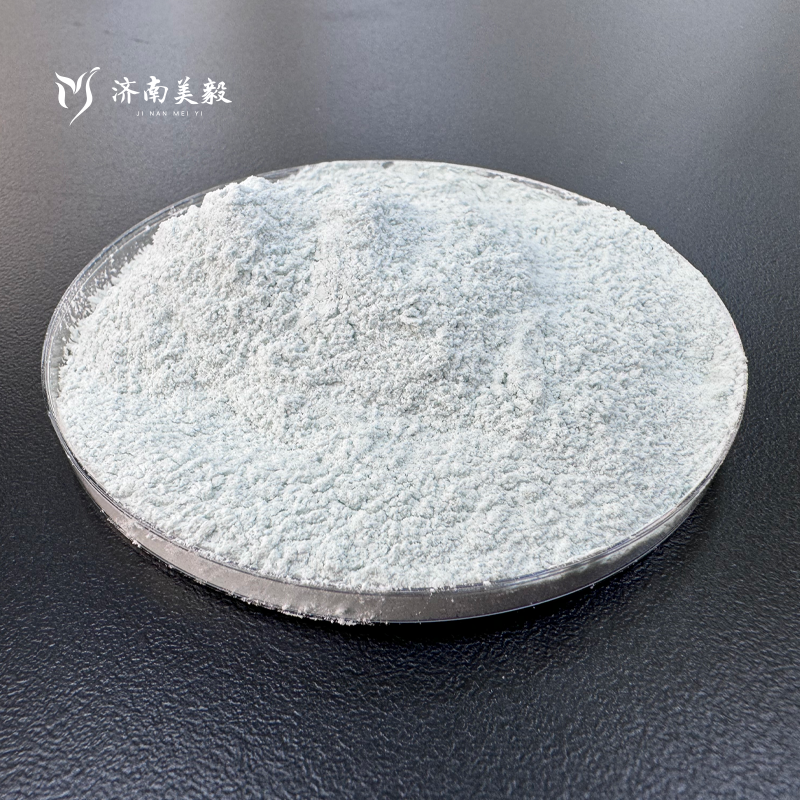
Polydeoxyribonucleotide (PDRN) represents a specific fraction of deoxyribonucleic acid (DNA) fragments. Unlike generic DNA extracts, PDRN consists of purified nucleotides with a defined molecular weight range, typically between 50 kDa and 1500 kDa. In its powdered form, these nucleotides are freeze-dried to remove moisture, resulting in a stable, white, hygroscopic solid that can be stored at room temperature for extended periods without significant degradation.
The primary source of high-quality PDRN is the sperm cells of Oncorhynchus keta (Chum Salmon). This specific biological source is chosen because salmon DNA shares a remarkably similar base composition to human DNA, minimizing the risk of immunogenic reactions while maximizing bio-compatibility. The extraction process involves rigorous purification to remove proteins, lipids, and other cellular debris, leaving behind pure nucleotide chains composed of adenine, guanine, cytosine, and thymine.
For B2B buyers and formulators, understanding the distinction between crude DNA extracts and pharmaceutical-grade PDRN powder is critical. The latter undergoes enzymatic hydrolysis and filtration to ensure that the nucleotide fragments are of optimal size for cellular uptake. This precision allows the active ingredients to penetrate cell membranes effectively, triggering the adenosine A2A receptors responsible for tissue regeneration and anti-inflammatory responses.
Key Chemical and Physical Properties
- Source: Purified DNA from Chum Salmon (Oncorhynchus keta) milt.
- Appearance: White to off-white lyophilized powder.
- Solubility: Highly soluble in sterile water or saline solution; forms a clear to slightly opalescent solution.
- Molecular Weight: Typically standardized between 50–1500 kDa for optimal bioavailability.
- Purity: >99% nucleotide content with negligible protein residue (<0.1%).
- Stability: Stable in dry form for 24–36 months when stored below 25°C; reconstituted solutions should be used immediately or stored under refrigeration for short durations.
How PDRN Powder Works: Mechanism of Action
The efficacy of PDRN powder lies in its ability to interact with specific cellular pathways involved in tissue repair and inflammation modulation. When reconstituted and applied topically or injected into the dermis, PDRN does not merely act as a filler. Instead, it functions as a biological signal modulator that accelerates the body’s natural healing processes.
The primary mechanism involves the activation of adenosine A2A receptors on the surface of fibroblasts and endothelial cells. This activation triggers a cascade of intracellular events that promote collagen synthesis, enhance angiogenesis (the formation of new blood vessels), and reduce the production of pro-inflammatory cytokines. By targeting these specific receptors, PDRN helps restore the structural integrity of damaged skin tissue.
Cellular Regeneration and Collagen Synthesis
Fibroblasts are the primary cells responsible for producing collagen and elastin, the proteins that give skin its strength and elasticity. As skin ages or suffers damage from UV exposure, fibroblast activity declines. PDRN provides the necessary nucleotide building blocks and signaling cues to reactivate these cells. Studies indicate that PDRN stimulation leads to increased production of Type I and Type III collagen, resulting in thicker, more resilient dermal layers.
Furthermore, PDRN enhances the synthesis of glycosaminoglycans (GAGs), such as hyaluronic acid, within the extracellular matrix. This dual action—boosting both structural proteins and hydration molecules—creates a comprehensive rejuvenation effect that improves skin texture, elasticity, and moisture retention.
Anti-Inflammatory and Antioxidant Effects
Chronic inflammation is a key driver of premature aging and various dermatological conditions. PDRN exhibits potent anti-inflammatory properties by inhibiting the release of inflammatory mediators like tumor necrosis factor-alpha (TNF-α) and interleukin-6 (IL-6). This makes it particularly effective for treating sensitive skin, post-procedure redness, and inflammatory acne scars.
In addition to its anti-inflammatory role, PDRN acts as an antioxidant scavenger. It helps neutralize free radicals generated by UV radiation and environmental pollutants, thereby protecting cellular DNA from oxidative stress. This protective mechanism supports long-term skin health and prevents further degradation of existing collagen structures.
Why Choose PDRN Powder Over Pre-Mixed Solutions?
For manufacturers, aesthetic clinics, and skincare brands, sourcing PDRN in powder form offers distinct strategic advantages over purchasing pre-mixed liquid vials. The decision to utilize raw powder impacts logistics, formulation flexibility, and overall product stability.
Enhanced Stability and Shelf Life
Liquid PDRN solutions are susceptible to hydrolysis and microbial growth over time, necessitating strict cold-chain logistics and shorter expiration dates. In contrast, lyophilized PDRN powder is chemically stable at ambient temperatures. This stability significantly reduces storage costs and simplifies inventory management for wholesalers and distributors. The powder form ensures that the active nucleotides remain intact until the moment of reconstitution, guaranteeing maximum potency upon use.
Formulation Flexibility for OEM/ODM
Using raw PDRN powder allows formulators to customize the concentration and combination of active ingredients. Manufacturers can blend PDRN with other synergistic compounds such as hyaluronic acid, peptides, vitamins, or amino acids to create unique proprietary blends. This flexibility is essential for brands seeking to differentiate their products in a crowded market. Whether developing a high-concentration injectable for medical use or a lower-concentration serum for daily skincare, powder provides the foundational versatility needed for diverse product lines.
Cost Efficiency in Wholesale Procurement
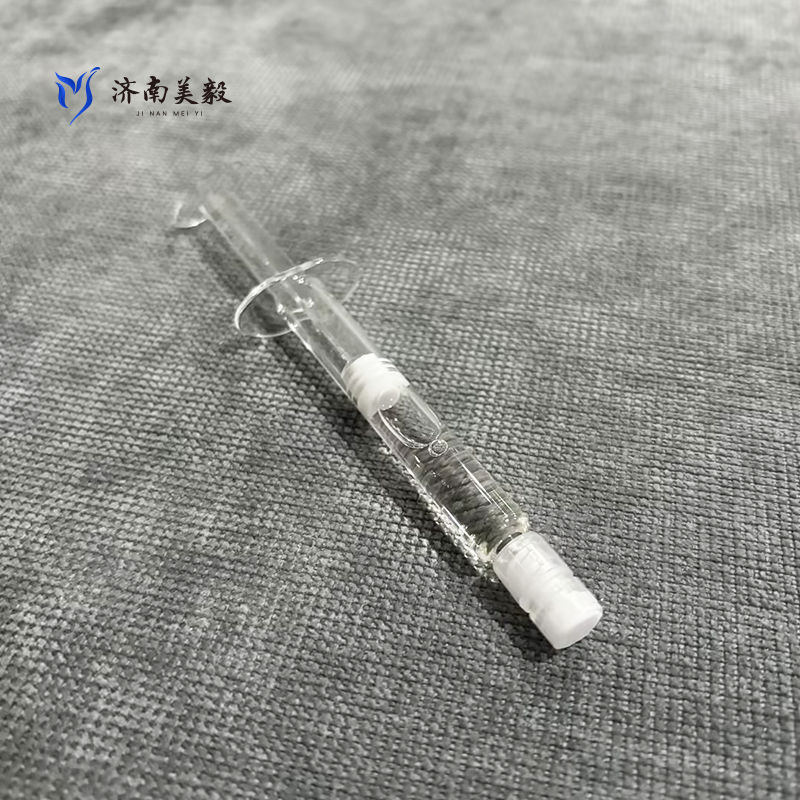
Purchasing PDRN in bulk powder form eliminates the costs associated with pre-filled syringes, glass vials, and individual packaging. For large-scale manufacturers, this translates to significantly lower unit costs. Additionally, shipping dry powder is more efficient and less risky than transporting fragile glass containers filled with liquid. These savings can be passed on to end consumers or reinvested in marketing and brand development, enhancing competitive advantage.
| Feature | PDRN Powder (Lyophilized) | Pre-Mixed PDRN Solution |
|---|---|---|
| Stability | High (Room Temperature) | Low (Requires Refrigeration) |
| Shelf Life | 24–36 Months | 12–18 Months |
| Formulation Control | Full Customization | Fixed Concentration |
| Shipping Cost | Low (Lightweight, Non-Fragile) | High (Heavy, Fragile, Cold Chain) |
| Application Versatility | Injectables, Topicals, Masks | Limited to Specific Format |
Applications of PDRN Powder in Aesthetics and Skincare
The versatility of PDRN powder allows it to be integrated into a wide array of aesthetic and dermatological applications. From invasive procedures to non-invasive daily care, PDRN serves as a cornerstone ingredient for tissue repair and rejuvenation.
1. Injectable Skin Boosters and Mesotherapy
In clinical settings, reconstituted PDRN is widely used for mesotherapy and skin booster treatments. These injections deliver the nucleotides directly into the dermis, where they can immediately interact with fibroblasts. This application is particularly effective for treating fine lines, wrinkles, and skin laxity. Clinics often prefer sourcing bulk powder to prepare fresh, sterile solutions for each patient, ensuring hygiene and potency. The treatment protocol typically involves a series of sessions spaced several weeks apart, leading to cumulative improvements in skin quality.
2. Post-Procedure Recovery and Wound Healing
PDRN’s anti-inflammatory and regenerative properties make it an ideal component for post-laser, post-peel, and post-surgical care. After aggressive aesthetic procedures, the skin barrier is compromised, and inflammation is heightened. Applying PDRN-infused dressings or serums accelerates the healing process, reduces downtime, and minimizes the risk of hyperpigmentation. Many dermatologists recommend PDRN-based protocols to enhance patient satisfaction and outcomes following fractional laser treatments or microneedling.
3. Advanced Topical Serums and Ampoules
For the consumer skincare market, PDRN powder can be incorporated into high-performance serums and ampoules. While the molecular size of PDRN can pose penetration challenges in topical applications, modern delivery systems such as liposomes, nanocarriers, and microneedle patches facilitate deeper absorption. Brands formulate these products to target signs of aging, dehydration, and sensitivity. The “powder-to-serum” concept, where users mix the powder with a solvent just before application, is also gaining popularity due to its perceived freshness and efficacy.
4. Hair Restoration Treatments
Emerging research suggests that PDRN may also benefit hair follicles. By improving blood circulation to the scalp and reducing inflammation around hair follicles, PDRN can support hair growth and thickness. It is increasingly being added to trichology treatments and scalp serums designed to combat androgenetic alopecia and telogen effluvium. This expansion into hair care opens new revenue streams for manufacturers and clinics alike.
OEM Manufacturing and Quality Standards for PDRN Powder
When sourcing PDRN powder for commercial use, partnering with a reputable supplier is paramount. The quality of the raw material directly influences the safety and efficacy of the final product. Suppliers must adhere to stringent quality control measures and regulatory standards to ensure product consistency and consumer trust.
GMP and ISO Certification
A credible PDRN supplier must operate in facilities certified under Good Manufacturing Practices (GMP) and ISO standards, or partner exclusively with manufacturers who do. These certifications ensure that the production environment is clean, controlled, and monitored for contaminants. GMP compliance covers every aspect of production, from raw material sourcing to packaging and labeling. It guarantees that each batch of PDRN powder meets predefined specifications for purity, potency, and safety.
Purity Testing and Molecular Weight Analysis
Quality assurance involves rigorous testing protocols. High-performance liquid chromatography (HPLC) and gel electrophoresis are commonly used to verify the purity and molecular weight distribution of PDRN. Ensuring that the nucleotide fragments fall within the optimal size range is crucial for biological activity. Suppliers should provide detailed Certificates of Analysis (CoA) for each batch, documenting parameters such as nucleotide content, protein residue levels, and endotoxin limits.
Endotoxin and Sterility Control
Since PDRN is often used in injectable applications, controlling endotoxins and ensuring sterility are non-negotiable. Endotoxins, which are components of bacterial cell walls, can cause severe inflammatory reactions if injected. Reputable suppliers employ advanced purification techniques and rigorous vetting processes to ensure endotoxins are removed to levels well below international pharmacopoeia limits. Sterility testing is conducted to confirm the absence of viable microorganisms, ensuring the safety of the final product.
Customization and Private Labeling Services
Leading suppliers offer comprehensive private labeling and customization services. They work closely with clients to develop tailored formulations, select appropriate packaging, and design branding elements. This collaborative approach allows brands to launch unique products that align with their market positioning. Whether requiring specific concentrations, additional active ingredients, or specialized packaging, suppliers can accommodate diverse requests to meet market demands.
Partnering with Jinan Meiyi Biotechnology for Premium PDRN Solutions
Navigating the complex landscape of bioactive raw materials requires a partner who bridges the gap between scientific rigor and market responsiveness. Jinan Meiyi Biotechnology Co., Ltd., headquartered in Jinan, Shandong Province, stands as a specialized provider of high-performance raw materials for the cosmetics and medical aesthetics industries. As a subsidiary of Pacific Kangtai Scientific Instruments (Jinan) Co., Ltd., the company is dedicated to the research, development support, and commercialization of bioactive technologies.
Unlike traditional manufacturers, Jinan Meiyi Biotechnology operates as a strategic sourcing and quality-assured distribution partner. The company does not engage in raw material manufacturing itself; instead, it leverages a well-established global supply chain network to maintain long-term cooperative relationships with internationally recognized, GMP-certified manufacturers. This model ensures that clients receive technically advanced, regulatory-compliant, and scientifically validated materials without the overhead of managing multiple upstream vendors.
Rigorous Quality Assurance and Traceability
Jinan Meiyi Biotechnology’s operational model prioritizes reliability and transparency. Every raw material in their portfolio, including PDRN powder, undergoes comprehensive evaluation prior to inclusion. Selection criteria are grounded in efficacy data, stability profiles, and compatibility with modern formulation standards. The company maintains strict control over storage conditions, shipping protocols, and delivery timelines to ensure product integrity from origin to end-user. Each batch is accompanied by full technical dossiers, including Certificates of Analysis (CoA), Safety Data Sheets (SDS), and regulatory status summaries, providing clients with the documentation needed for global compliance.
Technical Expertise and Partnership-Oriented Service
What distinguishes Jinan Meiyi Biotechnology is its service philosophy, which is rooted in partnership rather than simple transaction. The company serves clients across Asia, Europe, and North America, with particular strength in supporting R&D laboratories, Contract Development and Manufacturing Organizations (CDMOs), and aesthetic clinics. Their scientifically trained team provides technical consultation, regulatory intelligence sharing, and collaborative problem-solving. By actively monitoring emerging trends in bioactive ingredient science and dermatological research, Jinan Meiyi Biotechnology integrates these insights into its portfolio strategy, helping clients faster and safer translate bioactive science into real-world consumer and clinical benefits.
How to Reconstitute and Use PDRN Powder: Step-by-Step Guide
Proper reconstitution of PDRN powder is essential to maintain its efficacy and safety. Incorrect handling can lead to degradation of the nucleotides or contamination. The following steps outline the best practices for preparing PDRN solutions for clinical or laboratory use.
Step 1: Preparation and Hygiene
Begin by ensuring a sterile workspace. Wash hands thoroughly and wear gloves. Gather all necessary materials, including the vial of PDRN powder, sterile water for injection or saline solution, a sterile syringe, and alcohol swabs. Disinfect the rubber stopper of the powder vial and the solvent vial with an alcohol swab before proceeding.
Step 2: Solvent Selection
Choose the appropriate solvent based on the intended application. For injectable treatments, sterile water for injection or 0.9% sodium chloride (saline) is typically used. For topical applications, distilled water or a compatible serum base may be suitable. Ensure the solvent is at room temperature to facilitate easier mixing.
Step 3: Injection of Solvent
Draw the required volume of solvent into the sterile syringe. Slowly inject the solvent into the vial containing the PDRN powder. Aim the needle against the wall of the vial to avoid direct impact on the powder cake, which can cause foaming. Add the solvent gradually to allow the powder to absorb the liquid evenly.
Step 4: Gentle Mixing
Once the solvent is added, gently swirl the vial in a circular motion. Do not shake vigorously, as this can denature the nucleotides and create bubbles. Continue swirling until the powder is completely dissolved and the solution appears clear. This process may take a few minutes. Avoid using vortex mixers unless specifically recommended by the manufacturer.
Step 5: Immediate Use or Storage
For injectable applications, the reconstituted solution should be used immediately to ensure sterility and potency. If immediate use is not possible, store the solution in a refrigerator at 2–8°C and use within 24 hours. For topical formulations, the solution can be mixed with other ingredients according to the specific recipe. Always label the prepared solution with the date and time of reconstitution.
Selection Guide: Choosing the Right PDRN Powder Supplier
Selecting the right supplier for PDRN powder is a critical business decision. The right partner will not only provide high-quality raw materials but also support your brand’s growth through reliable service and technical expertise. Consider the following factors when evaluating potential suppliers.
1. Source Transparency and Traceability
Ensure the supplier provides full transparency regarding the source of the salmon DNA. Ideally, the raw material should be sourced from sustainable fisheries with proper certification. Traceability allows you to verify the origin and quality of the input materials, reducing the risk of supply chain disruptions and ensuring ethical sourcing practices.
2. Technical Support and Documentation
A reliable supplier offers comprehensive technical support, including detailed product specifications, safety data sheets (SDS), and certificates of analysis. They should be willing to answer technical questions and provide guidance on formulation and usage. Access to robust documentation is essential for regulatory compliance and quality assurance.
3. Production Capacity and Lead Times
Assess the supplier’s production capacity to ensure they can meet your current and future demand. Inquire about lead times for orders and their ability to handle rush requests. A supplier with scalable production capabilities can support your brand’s growth without compromising on quality or delivery schedules.
4. Regulatory Compliance and Market Access
Verify that the supplier’s products comply with the regulatory requirements of your target markets. This includes adherence to FDA, EMA, or other local health authority guidelines. Suppliers with experience in exporting to regulated markets are better equipped to navigate complex compliance landscapes and facilitate smoother market entry.
Common Mistakes to Avoid When Handling PDRN Powder
Even with high-quality raw materials, improper handling can compromise the effectiveness of PDRN. Being aware of common pitfalls can help ensure optimal results and maintain product integrity.
- Vigorous Shaking: Agitating the solution too harshly during reconstitution can shear the DNA fragments, reducing their molecular weight and efficacy. Always swirl gently.
- Using Tap Water: Never use tap water or non-sterile water for reconstitution, especially for injectable or clinical applications. Impurities can introduce contaminants and cause adverse reactions.
- Improper Storage: Exposing the powder to high humidity or temperatures above 25°C can degrade the nucleotides over time. Store in a cool, dry place away from direct sunlight.
- Delayed Usage: Using reconstituted PDRN after it has sat for too long increases the risk of bacterial growth and degradation. Adhere strictly to usage windows.
- Ignoring Compatibility: When blending PDRN with other actives, ensure chemical compatibility. Some ingredients may precipitate or destabilize the PDRN solution. Conduct small-scale stability tests before full-scale production.
FAQ: Frequently Asked Questions About PDRN Powder
Is PDRN powder safe for all skin types?
Yes, PDRN is generally considered safe for all skin types, including sensitive skin. Its biocompatible nature and low risk of immunogenic reaction make it suitable for a wide range of patients. However, as with any aesthetic treatment, a patch test is recommended for individuals with known allergies to fish or marine products.
What is the difference between PDRN and PN (Polynucleotide)?
PDRN (Polydeoxyribonucleotide) and PN (Polynucleotide) are often used interchangeably, but there are subtle differences. PDRN specifically refers to DNA fragments derived from salmon, while PN is a broader term that can include both DNA and RNA fragments. In aesthetic medicine, PDRN is the most studied and widely used form due to its proven regenerative properties and safety profile.
Can PDRN powder be mixed with hyaluronic acid?
Yes, PDRN can be effectively combined with hyaluronic acid (HA). This combination leverages the hydrating and volumizing effects of HA with the regenerative and anti-inflammatory benefits of PDRN. Many modern skin boosters feature this synergistic blend to provide comprehensive skin rejuvenation.
How long does it take to see results from PDRN treatments?
Results vary depending on the individual’s skin condition and the treatment protocol. Generally, initial improvements in skin hydration and texture may be noticed after the first session. Significant changes in elasticity, wrinkle reduction, and overall skin quality typically become apparent after a series of 3–4 treatments, with continued improvement over several months.
What is the recommended storage temperature for PDRN powder?
PDRN powder should be stored at room temperature (below 25°C) in a dry place. Avoid exposure to direct sunlight and moisture. Once reconstituted, the solution should be stored in a refrigerator (2–8°C) and used within 24 hours for injectable applications.
Conclusion: Strategic Value of PDRN Powder for Your Business
PDRN powder represents a high-value opportunity for businesses in the aesthetic and skincare industries. Its proven efficacy in tissue regeneration, anti-inflammatory action, and collagen synthesis makes it a sought-after ingredient for both clinical treatments and consumer products. By sourcing high-quality, GMP-certified PDRN powder from a reliable partner like Jinan Meiyi Biotechnology, brands can ensure product safety, consistency, and competitive pricing.
The flexibility of the powder format allows for innovative formulation strategies, enabling businesses to create differentiated products that meet specific market needs. Whether developing advanced skin boosters, post-procedure recovery kits, or daily anti-aging serums, PDRN powder provides the scientific foundation for effective and trustworthy solutions.
For manufacturers and brands looking to capitalize on the growing demand for regenerative aesthetics, partnering with an experienced supplier is the first step toward success. Focus on quality, compliance, and customization to build a strong brand reputation and deliver tangible results to your customers.
Ready to elevate your product line with premium PDRN powder? Contact our team today to request a sample, discuss customization options, or obtain a wholesale quote. Let us help you formulate the next generation of skin rejuvenation solutions.
Explore Our Full Range of Aesthetic Raw Materials & OEM Services





Please leave us a message.