
Pharmaceutical Grade Superoxide Dismutase Powder Manufacturer & Price
2026-09-21
- What Is Pharmaceutical Grade Superoxide Dismutase Powder?
- Manufacturing Process and Quality Control Standards
- Technical Specifications and Parameter Analysis
- About Jinan Meiyi Biotechnology: Your Strategic Partner in Bioactive Solutions
- Applications in Pharmaceutical and Medical Industries
- Why Choose Pharmaceutical Grade Over Food or Cosmetic Grade?
- Procurement Guide: How to Select the Right SOD Supplier
- Common Challenges and Solutions in SOD Formulation
- Frequently Asked Questions (FAQ)
- Market Trends and Future Outlook for 2026
- Conclusion and Next Steps
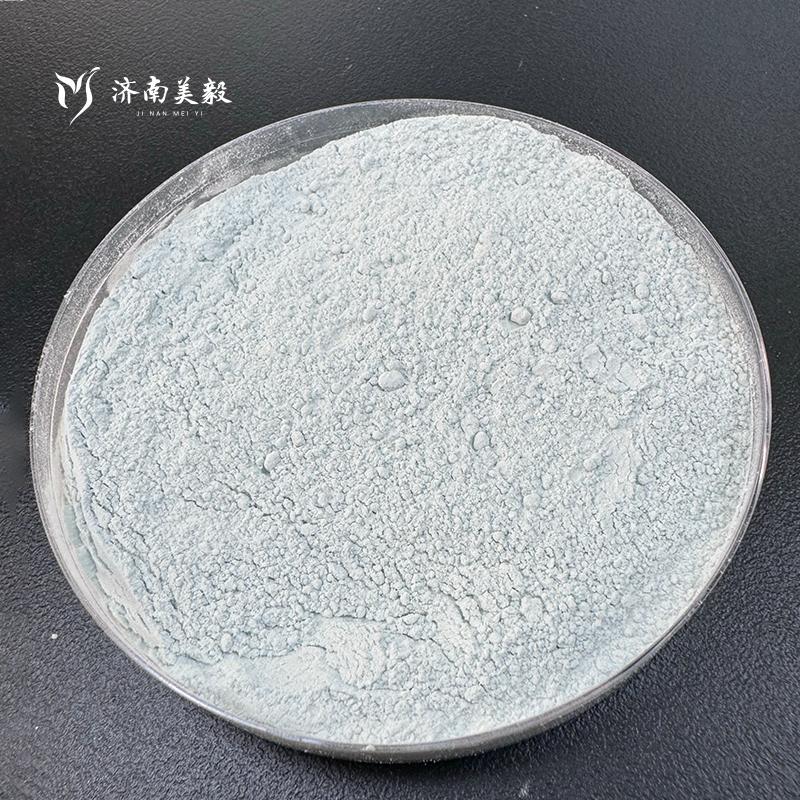
Pharmaceutical Grade Superoxide Dismutase (SOD) Powder is a highly purified, enzymatic antioxidant derived through advanced bio-fermentation and purification processes. Designed for strict pharmaceutical and clinical applications, this grade of SOD meets rigorous standards for purity, specific activity, and low endotoxin levels. As a premier provider in the bioactive materials sector, we facilitate access to bulk Pharmaceutical Grade Superoxide Dismutase Powder with consistent quality, full traceability, and competitive pricing for 2026. Our product portfolio is engineered to support drug development, functional food formulations, and high-end cosmetic therapies requiring proven oxidative stress management.
What Is Pharmaceutical Grade Superoxide Dismutase Powder?
Superoxide Dismutase (SOD) is a metalloenzyme that serves as the body’s primary defense against superoxide radicals. In pharmaceutical contexts, “Pharmaceutical Grade” denotes a level of purity and safety far exceeding standard food or cosmetic grades. This powder is characterized by its high specific activity, typically measured in Units per milligram (U/mg), and its stringent control over impurities such as heavy metals, microbial loads, and endotoxins.
Unlike generic SOD extracts, Pharmaceutical Grade Superoxide Dismutase Powder undergoes multi-stage chromatography and sterile filtration. This ensures that the enzyme retains its structural integrity and catalytic efficiency. The primary function of this enzyme is to catalyze the dismutation of the superoxide radical ($O_2^-$) into ordinary molecular oxygen ($O_2$) and hydrogen peroxide ($H_2O_2$). This reaction is critical in protecting cells from oxidative damage, which is implicated in aging, inflammation, and various chronic diseases.
For manufacturers and formulators, understanding the distinction between grades is vital. Pharmaceutical grade implies compliance with Good Manufacturing Practices (GMP) and often aligns with pharmacopoeial standards such as USP, EP, or ChP. It requires documented stability data, batch-to-batch consistency, and comprehensive Certificate of Analysis (CoA) documentation. This level of quality assurance is non-negotiable for injectable formulations, oral pharmaceuticals, and medical devices.
Key Characteristics of High-Purity SOD
- High Specific Activity: Typically exceeds 10,000 U/mg, ensuring potent antioxidant capacity at lower dosages.
- Purity Profile: Protein content is strictly controlled, with minimal non-enzymatic proteins or nucleic acids.
- Low Endotoxin Levels: Critical for parenteral applications, usually maintained below 10 EU/mg.
- Stability: Enhanced through lyophilization (freeze-drying) and protective excipients to maintain efficacy during storage.
- Source Transparency: Derived from validated fermentation strains, ensuring no animal-derived pathogens or allergens.
Manufacturing Process and Quality Control Standards
The production of Pharmaceutical Grade Superoxide Dismutase Powder is a complex biotechnological process. It begins with the selection of high-yield microbial strains, commonly Saccharomyces cerevisiae (yeast) or specialized bacterial cultures. These strains are optimized for high SOD expression through genetic engineering or adaptive evolution techniques. The fermentation process occurs in strictly controlled bioreactors where temperature, pH, dissolved oxygen, and nutrient feed rates are monitored in real-time to maximize enzyme yield.
Post-fermentation, the cell biomass is harvested and subjected to cell lysis to release the intracellular SOD enzyme. This crude extract contains numerous impurities, including other proteins, nucleic acids, and cellular debris. To achieve pharmaceutical grade, a multi-step purification protocol is employed. This typically involves ammonium sulfate precipitation followed by ion-exchange chromatography and gel filtration. Each step is designed to remove specific contaminants while preserving the enzymatic activity of the SOD.
Critical Purification Steps
- Cell Lysis: Mechanical or chemical methods are used to break cell walls without denaturing the enzyme.
- Precipitation: Initial separation of SOD from the bulk of soluble impurities.
- Chromatography: High-resolution columns isolate SOD based on charge and size, achieving >95% purity.
- Viral Clearance: Nanofiltration or pasteurization steps ensure the removal of any potential viral contaminants.
- Lyophilization: Freeze-drying converts the liquid enzyme into a stable powder, extending shelf life and facilitating transport.
Quality control is integrated at every stage. Raw materials are tested for identity and purity. In-process controls monitor enzyme activity and protein concentration. The final product undergoes rigorous testing for specific activity, protein content, moisture, ash, heavy metals (lead, arsenic, mercury, cadmium), microbial limits, and endotoxins. Only batches that meet all predefined specifications are released for sale. This rigorous approach ensures that the Pharmaceutical Grade Superoxide Dismutase Powder distributed through our network is safe and effective for sensitive pharmaceutical applications.
Technical Specifications and Parameter Analysis
When sourcing Pharmaceutical Grade Superoxide Dismutase Powder, buyers must evaluate specific technical parameters. These metrics determine the suitability of the material for different formulation types. Below is a detailed breakdown of typical specifications for high-quality pharmaceutical SOD. Note that exact values may vary slightly depending on the specific source organism and purification method.
| Parameter | Specification | Test Method |
|---|---|---|
| Appearance | White to off-white lyophilized powder | Visual Inspection |
| Specific Activity | ≥ 10,000 U/mg (Protein) | Cytochrome c Reduction Method |
| Protein Content | ≥ 95% | Kjeldahl Method / Bradford Assay |
| Moisture | ≤ 5.0% | Karl Fischer Titration |
| pH Value | 6.0 – 8.0 (1% solution) | pH Meter |
| Heavy Metals | ≤ 10 ppm (Total) | ICP-MS |
| Lead (Pb) | ≤ 0.5 ppm | ICP-MS |
| Arsenic (As) | ≤ 0.5 ppm | ICP-MS |
| Microbial Limit | Total Plate Count ≤ 100 CFU/g | Plate Count Method |
| E. Coli | Negative | Microbial Culture |
| Salmonella | Negative | Microbial Culture |
| Endotoxin | ≤ 10 EU/mg | LAL Test |
The specific activity is the most critical parameter. It indicates how many units of superoxide radical can be neutralized by one milligram of protein. Higher activity means less material is needed to achieve the desired therapeutic effect, which is cost-effective and reduces the load of excipients in the final formulation. The low endotoxin specification is particularly important for injectable drugs or nasal sprays, where immune responses to bacterial remnants must be minimized.
Stability and Storage Conditions
Enzymes are sensitive to environmental factors. Pharmaceutical Grade Superoxide Dismutase Powder is stabilized to withstand standard storage conditions, but optimal handling is required. The powder should be stored in airtight containers, protected from light and moisture. Typical storage recommendations include keeping the product at 2-8°C for long-term stability, although short-term exposure to room temperature during shipping is generally acceptable if packaging remains intact. Under proper storage, the shelf life is typically 24 months from the date of manufacture.
About Jinan Meiyi Biotechnology: Your Strategic Partner in Bioactive Solutions
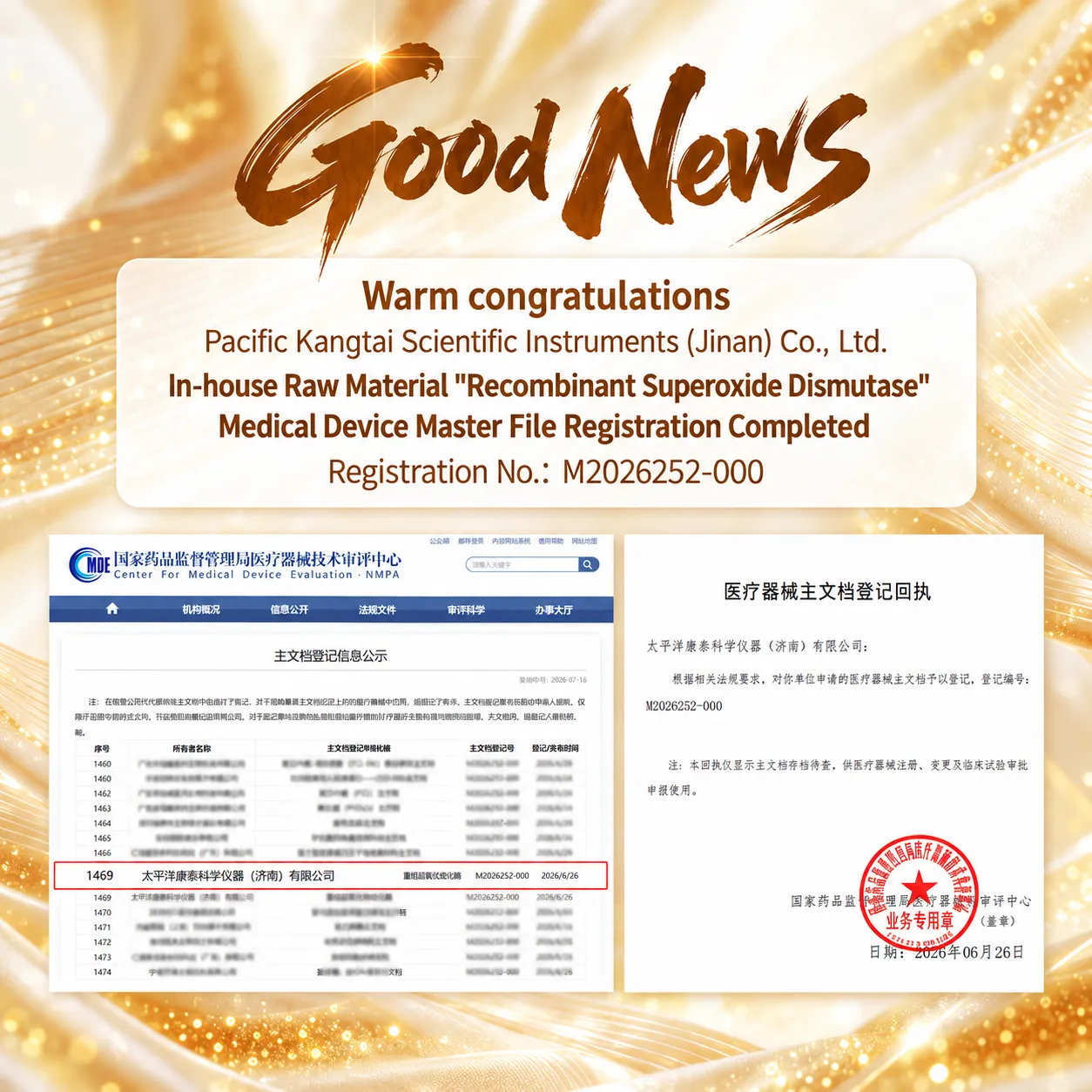
At Jinan Meiyi Biotechnology Co., Ltd., headquartered in Jinan, Shandong Province, we bridge the gap between scientific innovation and market application. As a subsidiary of Pacific Kangtai Scientific Instruments (Jinan) Co., Ltd., we specialize in the research, development support, and commercialization of bioactive technologies, with a strong emphasis on the cosmetics, medical aesthetics, and pharmaceutical industries.
Unlike traditional manufacturers, Jinan Meiyi Biotechnology operates as a strategic sourcing and quality-assured distribution partner. We do not engage in raw material manufacturing ourselves; instead, we leverage a well-established global supply chain network to partner with internationally recognized, certified manufacturers. This model allows us to maintain long-term cooperative relationships with suppliers who adhere to strict international quality management systems, ensuring our clients have consistent access to technically advanced, regulatory-compliant, and scientifically validated materials like Pharmaceutical Grade SOD.
Our core business is structured around two complementary pillars:
- Supply of Cosmetic and Bioactive Raw Materials: We focus exclusively on active ingredients and functional components used in formulation development. Every raw material in our portfolio undergoes comprehensive evaluation based on efficacy data, stability profiles, and compatibility with modern formulation standards.
- Distribution of Premium Finished Products: We curate a targeted range of skincare formulations and medical-grade aesthetic devices, selected for their clinical relevance and technological differentiation.
Our quality assurance framework centers on supplier qualification, documentation traceability, batch-level specification verification, and compliance oversight throughout the procurement and logistics process. Each batch of SOD powder we distribute is accompanied by full technical dossiers, including Certificates of Analysis (CoA), Material Safety Data Sheets (MSDS), and regulatory status summaries. We maintain strict control over storage conditions and shipping protocols to ensure product integrity from origin to end-user.
Serving clients across Asia, Europe, and North America, we support R&D laboratories, Contract Development and Manufacturing Organizations (CDMOs), and aesthetic clinics. Our service philosophy is rooted in partnership rather than transaction—offering technical consultation, regulatory intelligence sharing, and collaborative problem-solving to help our clients reduce sourcing complexity while maintaining full confidence in material consistency.
Applications in Pharmaceutical and Medical Industries
The versatility of Pharmaceutical Grade Superoxide Dismutase Powder allows it to be incorporated into a wide range of medical and health products. Its primary mechanism—scavenging reactive oxygen species (ROS)—makes it valuable in treating conditions associated with oxidative stress. Here are the key application areas:
1. Anti-Inflammatory and Pain Management Drugs
Oxidative stress is a key driver of inflammation. SOD is used in formulations targeting rheumatoid arthritis, osteoarthritis, and sports injuries. By reducing superoxide radicals in inflamed tissues, SOD helps mitigate the inflammatory cascade, reducing pain and swelling. It is often combined with other antioxidants like catalase or glutathione peroxidase for synergistic effects. In clinical settings, SOD has been explored for its ability to protect tissues from ischemia-reperfusion injury, such as during surgery or after heart attacks.
2. Ophthalmic Solutions
The eyes are highly susceptible to oxidative damage due to constant exposure to light and oxygen. Pharmaceutical Grade SOD is incorporated into eye drops and ointments to treat conditions like dry eye syndrome, cataracts, and age-related macular degeneration (AMD). Its anti-inflammatory properties help soothe irritated ocular surfaces, while its antioxidant action protects lens proteins and retinal cells from oxidative degradation.
3. Dermatology and Wound Healing
In dermatology, SOD is used in topical formulations for burn treatment, wound healing, and anti-aging therapies. It accelerates tissue repair by reducing oxidative stress at the wound site, which can otherwise delay healing. For anti-aging, it protects skin fibroblasts from UV-induced damage, preventing collagen breakdown and maintaining skin elasticity. Pharmaceutical grade ensures that the enzyme penetrates the skin barrier effectively without causing irritation or allergic reactions.
4. Oral Pharmaceuticals and Supplements
While oral bioavailability of native SOD is limited due to gastric acid degradation, advanced delivery systems such as enteric coating, liposomal encapsulation, and chemical modification (e.g., PEGylation) have improved its efficacy. Pharmaceutical Grade SOD serves as the raw material for these advanced oral formulations, targeting systemic oxidative stress, immune support, and chronic disease management. It is also used in functional foods aimed at health-conscious consumers seeking scientifically backed antioxidant support.
5. Radioprotection
Research indicates that SOD can protect healthy tissues from radiation-induced damage during cancer therapy. By scavenging free radicals generated by ionizing radiation, SOD helps reduce side effects such as mucositis and dermatitis. This application requires the highest purity standards to ensure patient safety during vulnerable treatment periods.
Why Choose Pharmaceutical Grade Over Food or Cosmetic Grade?
Not all SOD powders are created equal. The distinction between pharmaceutical, food, and cosmetic grades lies in the rigor of production, purity, and regulatory compliance. Understanding these differences is crucial for procurement decisions.
| Feature | Pharmaceutical Grade | Food/Cosmetic Grade |
|---|---|---|
| Purity | > 95%, highly standardized | Variable, often < 90% |
| Specific Activity | High (≥ 10,000 U/mg) | Lower (1,000 – 5,000 U/mg) |
| Endotoxin Control | Strict (< 10 EU/mg) | Not strictly controlled |
| Heavy Metals | Trace levels, strictly monitored | Within general food safety limits |
| Documentation | Full CoA, GMP, Traceability | Basic CoA |
| Consistency | Batch-to-batch uniformity | May vary between batches |
| Cost | Higher | Lower |
Using food-grade SOD in pharmaceutical applications poses significant risks. Impurities can trigger immune responses, inconsistent activity leads to unpredictable therapeutic outcomes, and lack of traceability complicates regulatory approval. For any product claiming health benefits or intended for medical use, Pharmaceutical Grade Superoxide Dismutase Powder is the only viable option. It ensures compliance with regulatory bodies like the FDA, EMA, and NMPA, facilitating smoother market entry and reducing liability.
Procurement Guide: How to Select the Right SOD Supplier
Selecting a reliable partner for Pharmaceutical Grade Superoxide Dismutase Powder involves more than just comparing prices. Buyers must assess the supplier’s technical capability, quality systems, and supply chain reliability. Here are key factors to consider, reflecting the Jinan Meiyi Biotechnology approach:
1. Verification of Certifications and Supply Chain Integrity
Ensure the supplier partners with manufacturers holding relevant certifications such as ISO 9001, ISO 22000, and GMP. For pharmaceutical ingredients, compliance with ICH Q7 guidelines is essential. At Jinan Meiyi Biotechnology, we transparently provide documentation proving our partners’ adherence to international quality standards, including audit reports and certificates from third-party agencies.
2. Technical Support and Customization
Look for suppliers who offer technical support beyond simple order fulfillment. Can they provide data on stability under different conditions? Do they offer custom particle sizes or blends? A partner who understands your formulation challenges can help optimize the use of SOD in your product, potentially reducing costs and improving efficacy. Our team provides ongoing technical consultation and regulatory intelligence sharing.
3. Supply Chain Stability
Consistency in supply is critical for pharmaceutical manufacturing. Evaluate the supplier’s production capacity and inventory management. Do they have backup systems in place for power failures or equipment maintenance? A robust supply chain ensures that you receive your orders on time, preventing production delays. Our globally integrated supply chain enables reliable access to high-integrity ingredients.
4. Price vs. Value
While cost is a factor, it should not be the sole determinant. Lower-priced SOD may compromise on purity or activity, leading to higher usage rates and potential quality issues in the final product. Calculate the cost per unit of activity rather than just cost per kilogram. High-activity SOD may have a higher upfront cost but offers better value through lower dosage requirements.
5. Sample Testing
Always request samples before placing bulk orders. Conduct independent testing to verify specific activity, purity, and microbial limits. Compare the sample performance in your actual formulation to ensure compatibility and efficacy. This step minimizes the risk of batch failures and ensures that the material meets your specific needs.
Common Challenges and Solutions in SOD Formulation
Formulating with enzymes presents unique challenges. Here are common issues encountered when working with Pharmaceutical Grade Superoxide Dismutase Powder and practical solutions:
Challenge 1: Enzyme Stability
SOD can lose activity when exposed to heat, extreme pH, or proteolytic enzymes. Solution: Use stabilizers such as sugars (trehalose, sucrose) or polyols during lyophilization. For liquid formulations, maintain pH between 6.0 and 8.0 and store at refrigerated temperatures. Consider encapsulation technologies to protect the enzyme from harsh gastrointestinal conditions.
Challenge 2: Bioavailability
Native SOD has poor oral bioavailability due to its large molecular size and susceptibility to digestion. Solution: Utilize delivery systems like liposomes, nanoparticles, or chemical modifications (e.g., PEG-SOD). These methods protect the enzyme and enhance its absorption across intestinal barriers. For topical applications, use penetration enhancers or micro-emulsions.
Challenge 3: Interaction with Other Ingredients
SOD may interact with certain excipients or active ingredients, leading to precipitation or loss of activity. Solution: Conduct compatibility studies early in the development phase. Avoid mixing SOD with strong oxidizing agents or metals that can catalyze its degradation. Use chelating agents if necessary to sequester trace metals.
Frequently Asked Questions (FAQ)
What is the shelf life of Pharmaceutical Grade Superoxide Dismutase Powder?
When stored in a cool, dry place (2-8°C) in sealed containers, the shelf life is typically 24 months. Always check the expiration date on the Certificate of Analysis for specific batch information.
Can SOD be used in injectable formulations?
Yes, provided it meets strict endotoxin and sterility requirements. The Pharmaceutical Grade SOD we distribute is sourced from producers who maintain low endotoxin levels (< 10 EU/mg) and can be further sterilized if required. However, formulators must ensure the final product meets all regulatory standards for injectables.
How is the activity of SOD measured?
Activity is typically measured using the cytochrome c reduction method or the WST-1 method. Results are expressed in Units per milligram (U/mg) of protein. One Unit is defined as the amount of enzyme that inhibits the reduction of cytochrome c by 50% under specified conditions.
Is the SOD derived from animal sources?
No, the Pharmaceutical Grade Superoxide Dismutase Powder in our portfolio is derived from microbial fermentation (yeast or bacteria). This ensures a vegan-friendly product with no risk of animal-derived pathogens or prions.
What is the minimum order quantity (MOQ)?
MOQ varies depending on packaging and customization requirements. Typically, we offer flexible quantities starting from small laboratory scales up to bulk industrial orders. Contact our sales team for specific details tailored to your project needs.
Does the supplier provide regulatory support documents?
Yes, Jinan Meiyi Biotechnology provides comprehensive documentation including Certificates of Analysis (CoA), Material Safety Data Sheets (MSDS), GMP certificates from our manufacturing partners, and stability data. We can also assist with regulatory filings by providing necessary technical dossiers.
Market Trends and Future Outlook for 2026
The demand for Pharmaceutical Grade Superoxide Dismutase Powder is growing steadily, driven by an aging population and increased awareness of oxidative stress-related diseases. In 2026, several trends are shaping the market:
- Personalized Medicine: SOD is being explored in personalized therapeutic regimens based on individual oxidative stress profiles.
- Advanced Delivery Systems: Innovations in nanotechnology and bio-engineering are enhancing the bioavailability and targeted delivery of SOD.
- Regulatory Harmonization: Global efforts to harmonize standards for biological ingredients are making it easier to launch SOD-based products in multiple markets.
- Sustainability: Manufacturers are adopting green chemistry principles and sustainable fermentation practices to reduce environmental impact.
These trends highlight the importance of partnering with a forward-thinking provider who invests in R&D insights and adheres to evolving regulatory landscapes. Jinan Meiyi Biotechnology actively monitors emerging trends in bioactive ingredient science and dermatological research, integrating these insights into our portfolio strategy to ensure our clients stay ahead of the curve.
Conclusion and Next Steps
Pharmaceutical Grade Superoxide Dismutase Powder is a critical ingredient for developing high-efficacy health and medical products. Its ability to neutralize superoxide radicals makes it indispensable in anti-inflammatory, anti-aging, and protective therapies. By choosing a supplier with robust sourcing capabilities, strict quality control, and technical expertise, you ensure the success and safety of your formulations.
Jinan Meiyi Biotechnology Co., Ltd. is dedicated to providing premium quality SOD powder that meets the highest industry standards. Our team is ready to support your project from initial sampling to large-scale production. Whether you are developing a new pharmaceutical drug, an advanced cosmetic line, or a functional food supplement, we have the solutions you need. Our commitment to scientific integrity and partnership ensures that we serve as a trusted enabler for your innovation.
Ready to elevate your product formulation?
Contact us today to request a sample, discuss your specific requirements, or obtain a customized quote for Pharmaceutical Grade Superoxide Dismutase Powder. Let our expertise and global network drive your innovation.
Explore Our Full Range of Enzyme Solutions & Technical Data Sheets





Please leave us a message.