

Superoxide Dismutase: Driving Innovation in Research and Biopharmaceuticals
2026-02-09
Introduction
Superoxide Dismutase (SOD), including CuZn-SOD and Mn-SOD, plays a vital role in neutralizing reactive oxygen species, protecting cells from oxidative stress, and driving innovation in research, clinical studies, and biopharmaceutical development.
Understanding Superoxide Dismutase (SOD)
What is SOD?
Superoxide Dismutase is an enzyme that catalyzes the conversion of superoxide radicals—highly reactive molecules generated during cellular metabolism—into oxygen and hydrogen peroxide. This activity is essential for cellular protection, maintaining redox balance, and mitigating damage associated with aging, inflammation, and various diseases.
By controlling oxidative stress, SOD contributes to cellular longevity and functional stability, making it a focal point for researchers interested in developing therapies, functional products, and laboratory models of oxidative stress.
Types of SOD Enzymes
CuZn-SOD: Found primarily in the cytoplasm, CuZn-SOD contains copper and zinc ions that facilitate its enzymatic activity. Its widespread presence across tissues makes it a versatile tool for laboratory assays, cellular research, and functional product formulations.
Mn-SOD: Located in mitochondria, Mn-SOD is critical for mitigating oxidative stress within the cell’s powerhouse. This variant plays a key role in energy metabolism, mitochondrial health, and experimental models of metabolic disorders.
Other SOD Subtypes: Extracellular SOD (EC-SOD) and other isoforms also have specialized roles, particularly in tissue protection and intercellular signaling, making them valuable in advanced research studies.
Understanding these variants helps us select the appropriate enzyme for specific applications, whether for laboratory experiments, clinical studies, or product development.
Practical Applications in Research
Laboratory Research
In laboratory settings, SOD is indispensable for oxidative stress assays, cellular experiments, and mechanistic studies. Researchers utilize CuZn-SOD and Mn-SOD to evaluate antioxidant capacity, model oxidative damage, and screen compounds for therapeutic potential. Applications include:
Cell Culture Experiments: Measuring intracellular ROS levels and evaluating the efficacy of antioxidant treatments.
Oxidative Stress Assays: Standardized tests to assess the protective effects of potential therapeutics against oxidative damage.
Clinical Research
SOD also holds promise in clinical research. Its role as a biomarker and therapeutic agent has been explored in inflammation, metabolic disorders, and age-related diseases. Researchers are investigating:
Biomarker Studies: Monitoring SOD activity to assess oxidative stress levels in patients.
Therapeutic Applications: Evaluating SOD-based interventions in inflammation, neurodegeneration, and cardiovascular diseases.
Functional Product Development
Beyond research labs, SOD is increasingly incorporated into functional products, including nutraceuticals, cosmetics, and biotechnology formulations. Key considerations include:
Stability: Maintaining enzyme activity during formulation and storage.
Delivery Systems: Encapsulation or recombinant technology to enhance bioavailability.
Product Innovation: Leveraging SOD’s antioxidant properties to develop advanced skin-care or health-promoting products.
The Role of SOD in Biopharmaceutical Innovation
Drug Development
In biopharmaceuticals, SOD is being explored as a cornerstone for antioxidant therapies and enzyme replacement strategies. Applications include:
Preclinical and Clinical Studies: Testing recombinant SOD in disease models and human trials.
Therapeutic Formulations: Enhancing antioxidant defense in targeted tissues to prevent or treat oxidative stress-related conditions.
Biotechnology Applications
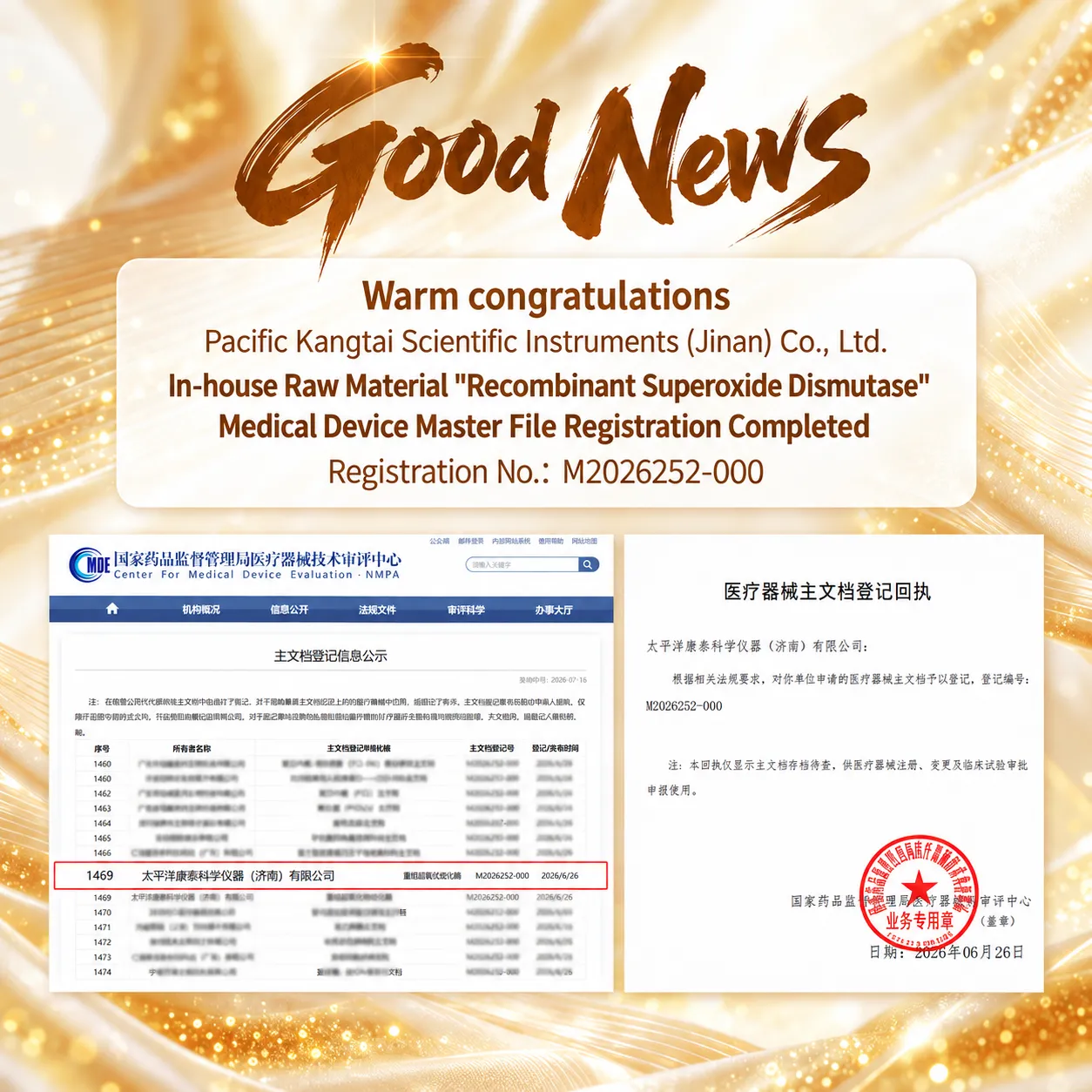
Recombinant technology allows for scalable production of SOD, enabling the creation of enzyme variants with improved stability, activity, and tissue-specific targeting. Notable innovations include:
Engineered SOD Variants: Modified enzymes designed for higher thermostability, longer half-life, or targeted delivery.
Recombinant Production: Optimized microbial or mammalian expression systems ensure consistent quality for clinical and industrial use.
These developments highlight the commercial potential of SOD and inspire novel applications across the biopharmaceutical industry.
Challenges and Considerations
Despite its promise, SOD research and application come with challenges:
Stability and Bioavailability: Enzymes are sensitive to environmental conditions, requiring careful formulation to retain activity.
Source Selection: Natural vs. recombinant SOD—each has advantages and limitations regarding purity, yield, and reproducibility.
Regulatory Requirements: Compliance with clinical and functional product regulations is essential to bring SOD-based innovations to market.
Addressing these challenges ensures SOD can be effectively leveraged in research, product development, and clinical applications.
Future Trends and Research Directions
The future of SOD research is rich with potential:
Precision Medicine: SOD-based interventions tailored to patient-specific oxidative stress profiles.
Regenerative Medicine: Supporting tissue repair and mitigating oxidative damage in advanced therapies.
Novel Formulations: Enhanced delivery systems for clinical, cosmetic, and nutraceutical applications.
Collaborative Innovation: Partnerships between research labs, biotech firms, and pharmaceutical companies to accelerate discovery and product development.
As researchers continue to explore SOD, new insights and technologies will expand its applications across industries.
Conclusion
Superoxide Dismutase, including CuZn-SOD and Mn-SOD, is more than an antioxidant enzyme—it is a catalyst for innovation in research and biopharmaceuticals. By understanding its types, applications, and challenges, we can harness SOD to advance laboratory research, clinical studies, and functional product development.
We encourage readers to explore recombinant SOD product information and consider how these enzymes can be integrated into their research and biopharmaceutical strategies. Whether you are developing novel therapies, conducting oxidative stress studies, or formulating next-generation functional products, SOD offers versatile solutions to drive innovation.






Please leave us a message.