

Hydroxyapatite Ca/P Ratio: Why It Matters for Dental and Bone Repair Materials
2026-06-15
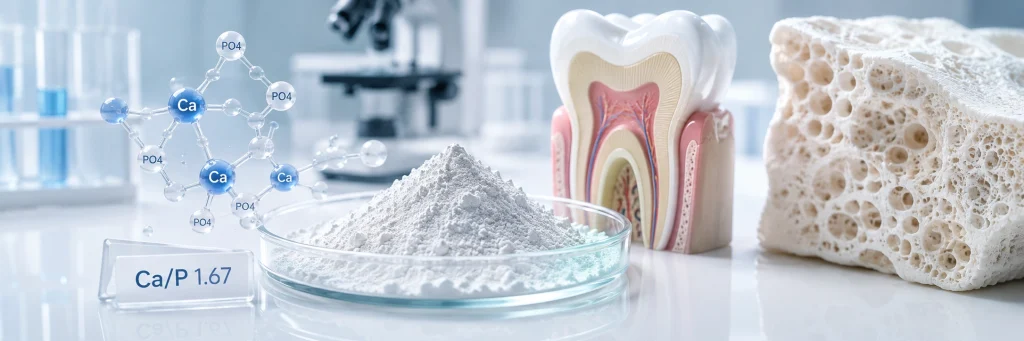
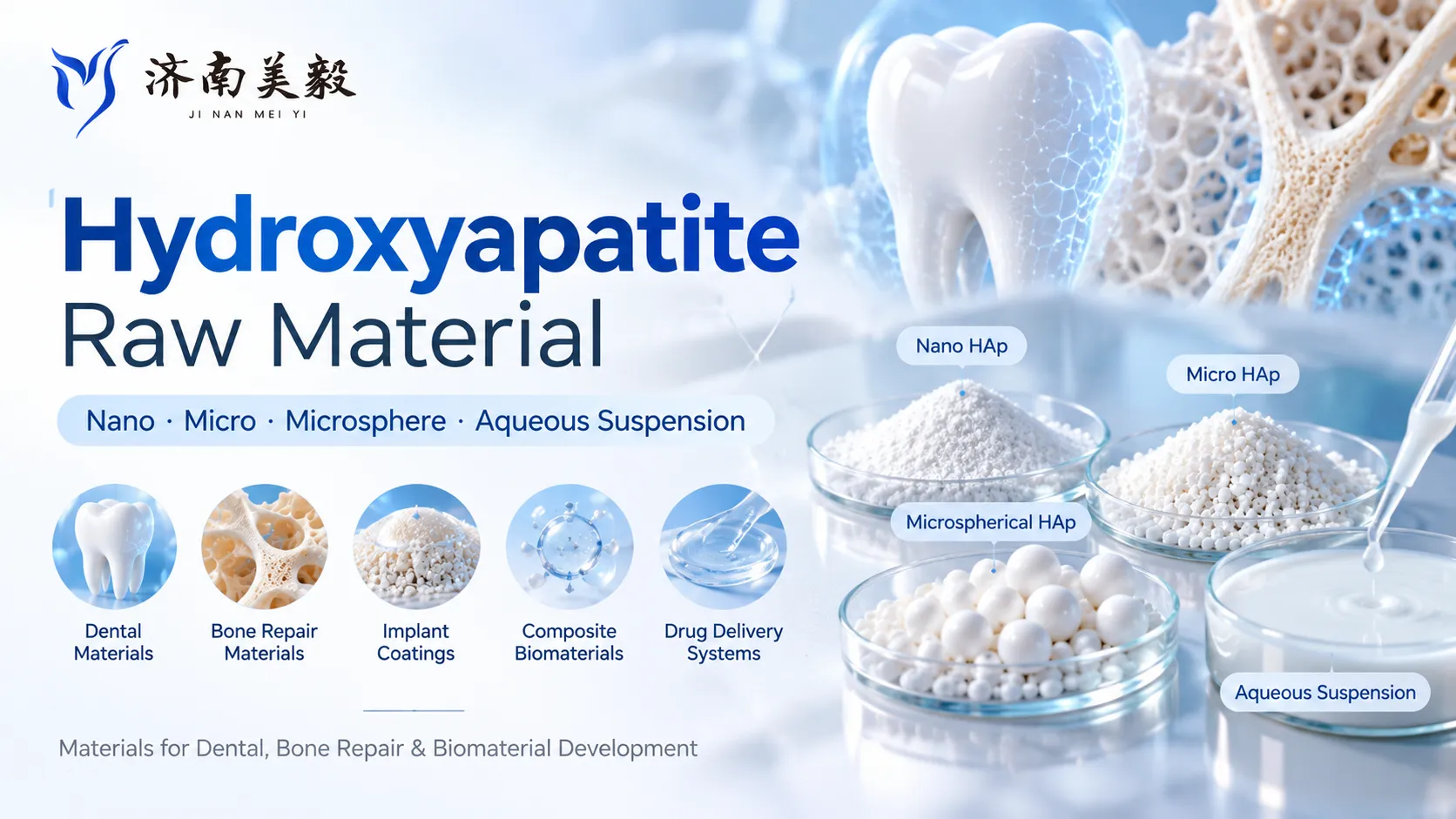
Hydroxyapatite is one of the most important calcium phosphate materials used in dental, oral care, bone repair and biomedical applications. For formulators, dental material manufacturers and biomaterial developers, one technical parameter deserves special attention: the hydroxyapatite Ca/P ratio.
The Ca/P ratio refers to the molar ratio between calcium and phosphorus in hydroxyapatite or other calcium phosphate materials. In stoichiometric hydroxyapatite, the ideal Ca/P ratio is commonly expressed as 1.67. This value is not just a theoretical number. It is closely related to phase composition, stability, solubility, biological performance and the final application of the material.
For companies sourcing hydroxyapatite powder, understanding the Ca/P ratio helps evaluate whether the material is suitable for toothpaste, enamel remineralization products, dental materials, implant coatings, bone graft substitutes or other advanced biomaterial systems.
What Is the Ca/P Ratio in Hydroxyapatite?
Hydroxyapatite has the chemical formula Ca10(PO4)6(OH)2. Based on this formula, the molar ratio of calcium to phosphorus is 10:6, which is usually simplified as 1.67.
This is why 1.67 is often considered the reference Ca/P ratio for stoichiometric hydroxyapatite.
However, not all hydroxyapatite powders are exactly stoichiometric. Depending on the raw materials, synthesis method, processing temperature and post-treatment conditions, hydroxyapatite may show slight variations in its Ca/P ratio. These variations can influence the properties of the final material.
A Ca/P ratio close to 1.67 usually indicates a hydroxyapatite-rich phase. A lower ratio may suggest calcium-deficient hydroxyapatite or the presence of other calcium phosphate phases. A significantly different ratio may indicate that the material requires further phase composition analysis before being used in dental or biomedical products.
Why the Hydroxyapatite Ca/P Ratio Matters
The Ca/P ratio is important because it helps describe the chemical balance and phase characteristics of calcium phosphate materials. For dental and bone repair applications, this balance can affect several key performance factors.
1. Phase Composition
Hydroxyapatite is only one member of the calcium phosphate family. Other calcium phosphate materials, such as tricalcium phosphate, dicalcium phosphate and amorphous calcium phosphate, have different Ca/P ratios and different properties.
For example, tricalcium phosphate generally has a lower Ca/P ratio than hydroxyapatite. It is usually more soluble and resorbs faster in biological environments. Hydroxyapatite, by comparison, is typically more stable and less soluble.
This is why Ca/P ratio analysis is useful during raw material evaluation. It helps identify whether the powder is mainly hydroxyapatite or whether it contains other calcium phosphate phases.
2. Solubility and Stability
The Ca/P ratio can influence how a calcium phosphate material behaves in aqueous or biological environments.
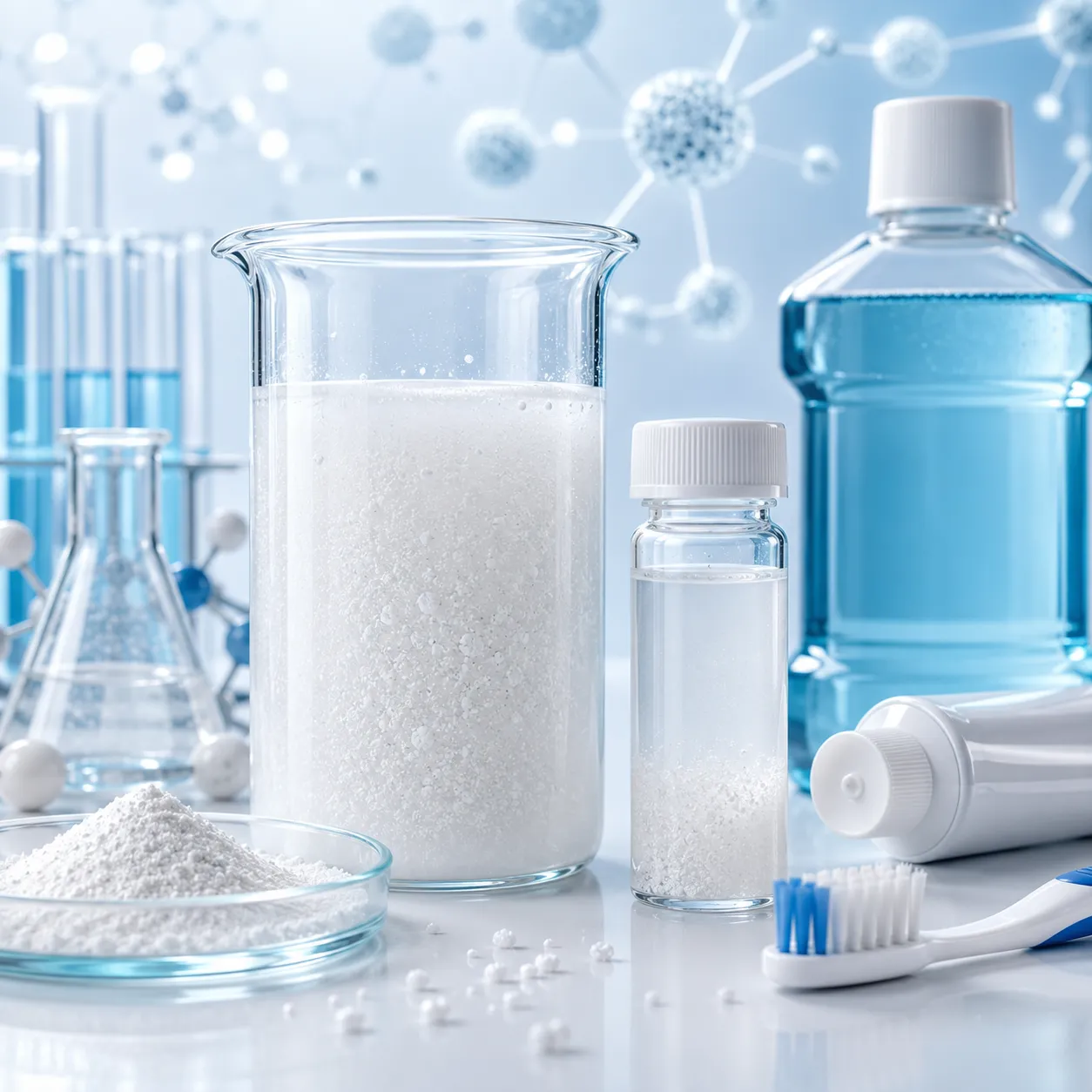
For oral care applications, such as toothpaste and mouthwash formulations, controlled mineral interaction is important. A hydroxyapatite powder with suitable chemical balance can support enamel-focused formulations, while also maintaining good compatibility with the rest of the formula.
For bone repair materials, solubility and resorption behavior are even more important. A material that dissolves too quickly may not provide enough structural support. A material that is too stable may remain for a long time and integrate differently with new bone formation. The Ca/P ratio does not determine performance alone, but it is one of the basic indicators used to understand material behavior.
3. Biological Similarity to Hard Tissues
Hydroxyapatite is widely studied because it is chemically similar to the mineral phase of human teeth and bone. This similarity is one reason hydroxyapatite is used in dental materials, implant coatings and bone repair products.
For dental applications, hydroxyapatite is valued because tooth enamel and dentin are mineral-rich tissues. In oral care formulations, nano or micro hydroxyapatite can be used as a functional mineral ingredient for enamel-related products.
For bone repair applications, hydroxyapatite is used because of its biocompatibility, osteoconductive potential and similarity to natural bone mineral. A suitable Ca/P ratio helps ensure that the material maintains the expected hydroxyapatite characteristics.
4. Quality Control for Raw Material Buyers
For B2B buyers, the Ca/P ratio is a practical quality control parameter. When purchasing hydroxyapatite powder, companies should not only ask for particle size and purity. They should also review chemical composition, Ca/P ratio, phase purity and heavy metal limits.
A reliable supplier should be able to provide a Certificate of Analysis, technical data sheet and testing information. For dental or biomedical material development, additional documentation may be needed depending on the target market and regulatory pathway.
Ideal Ca/P Ratio: Is 1.67 Always the Best?
A Ca/P ratio of 1.67 is usually considered the ideal value for stoichiometric hydroxyapatite. However, “ideal” depends on the application.
For applications that require stable hydroxyapatite with high phase purity, a Ca/P ratio close to 1.67 is generally preferred. This may include dental materials, implant coating raw materials and certain bone repair systems.
For applications where faster resorption or controlled degradation is desired, materials with different calcium phosphate phases may be selected. For example, biphasic calcium phosphate materials often combine hydroxyapatite and tricalcium phosphate to balance stability and resorption.
Therefore, buyers should not look at the Ca/P ratio alone. It should be evaluated together with phase composition, crystallinity, particle size, morphology, surface area and intended application.
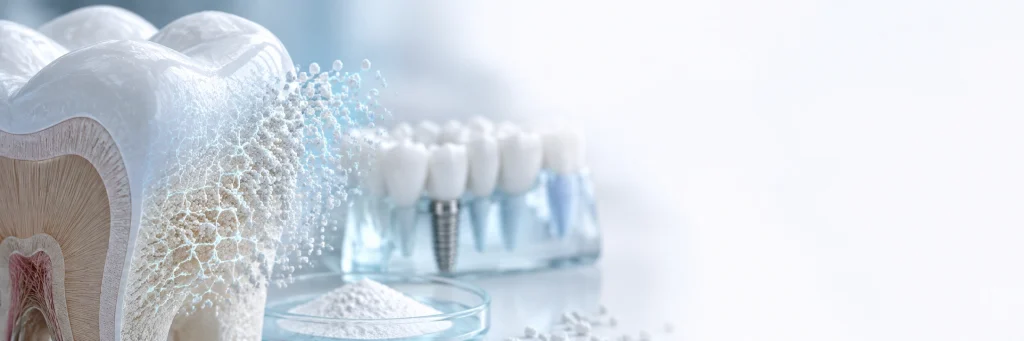
Hydroxyapatite Ca/P Ratio in Dental Materials
Dental applications require careful control of material quality because the ingredient may interact with enamel, dentin, saliva and other formulation components.
Hydroxyapatite powder can be used in several dental-related products, including:
- Toothpaste and oral care formulations
- Desensitizing dental products
- Enamel remineralization products
- Dental polishing materials
- Dental composites
- Implant surface treatment materials
- Hydroxyapatite coatings for dental implants
In toothpaste and oral care products, nano hydroxyapatite is often selected because smaller particles may disperse more easily and interact more closely with tooth surfaces. However, particle size alone is not enough. The Ca/P ratio and phase composition also matter because they help determine whether the powder truly matches hydroxyapatite characteristics.
For dental implant coatings and advanced dental materials, chemical consistency is even more important. Manufacturers need hydroxyapatite powders with reliable purity, stable batch quality and appropriate technical documentation.
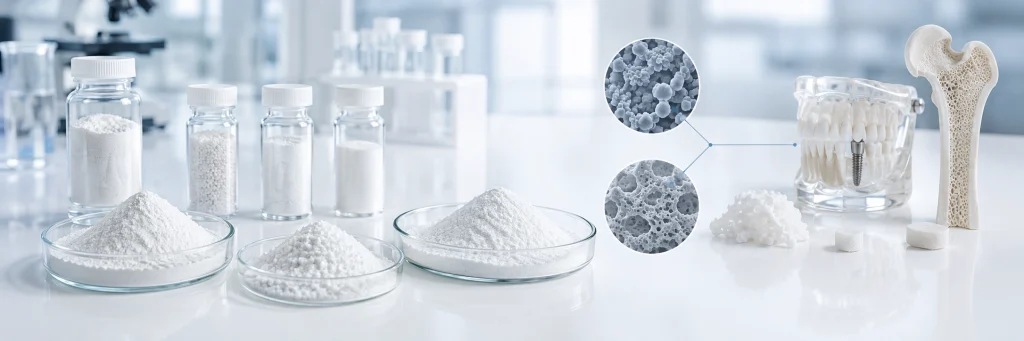
Hydroxyapatite Ca/P Ratio in Bone Repair Materials
Hydroxyapatite is also widely used in bone repair and orthopedic biomaterial research. Its chemical similarity to bone mineral makes it suitable for applications such as:
- Bone graft substitute materials
- Bone void fillers
- Bioceramic scaffolds
- Hydroxyapatite coatings on metallic implants
- Composite materials with collagen, polymers or β-TCP
- 3D printed bone repair scaffolds
In these applications, the Ca/P ratio helps developers understand whether the material is closer to stoichiometric hydroxyapatite, calcium-deficient hydroxyapatite or another calcium phosphate phase.
For bone repair materials, the balance between stability and resorption is important. Hydroxyapatite is usually more stable, while tricalcium phosphate tends to resorb faster. Some biomaterial developers use biphasic calcium phosphate to combine the advantages of both materials.
This means that the target Ca/P ratio should match the product design. A pure hydroxyapatite material may be suitable when long-term stability and osteoconductive support are desired. A composite or biphasic material may be more suitable when controlled resorption is part of the design strategy.

Ca/P Ratio and Phase Purity
A Ca/P ratio close to 1.67 is a useful indicator, but it does not prove phase purity by itself. Two materials can have similar Ca/P ratios but different phase compositions, crystallinity or impurities.
That is why professional hydroxyapatite quality control often includes multiple tests, such as:
- Calcium and phosphorus content analysis
- Ca/P molar ratio calculation
- X-ray diffraction for phase identification
- FTIR analysis for functional groups
- Particle size distribution
- SEM analysis for morphology
- Heavy metal testing
- Loss on drying
- Microbial testing, if required by the application
For dental and biomedical buyers, asking only for “high purity hydroxyapatite” is not enough. A more professional approach is to request detailed specifications and confirm whether the material matches the intended use.
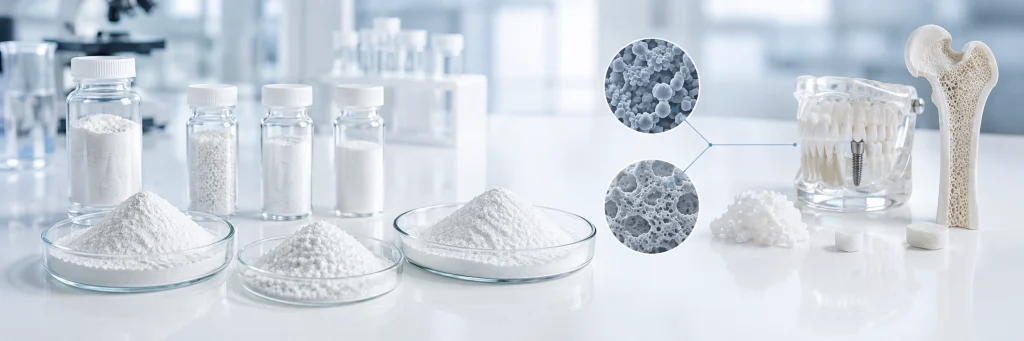
How Synthesis Method Affects Ca/P Ratio
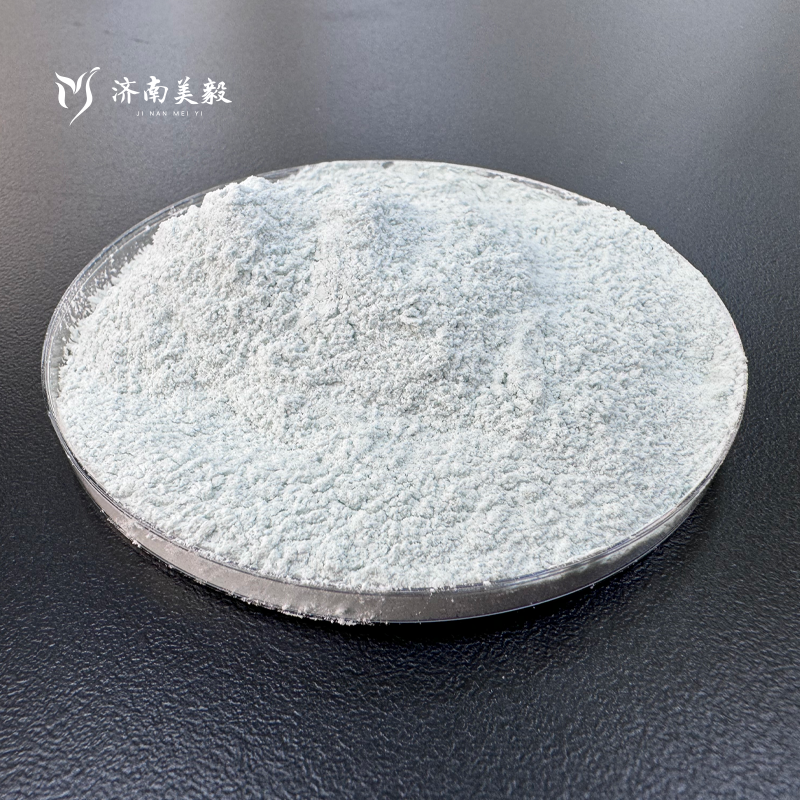
Hydroxyapatite powder can be produced by different methods, including wet precipitation, hydrothermal synthesis, sol-gel processing and solid-state reactions. Each method can influence the final Ca/P ratio, crystal structure, particle size and morphology.
For example, wet precipitation is commonly used for nano or micro hydroxyapatite production. The reaction conditions, pH, temperature, calcium source, phosphate source and aging time can affect the final composition.
Hydrothermal synthesis may produce powders with higher crystallinity and controlled morphology. Solid-state methods may be used for ceramic-grade materials but often require high temperatures.
Because of these differences, two hydroxyapatite powders with the same nominal particle size may perform differently in a formula or biomaterial system. This is why buyers should evaluate both chemical data and application performance.
How to Choose Hydroxyapatite Powder Based on Ca/P Ratio
When selecting hydroxyapatite powder, the Ca/P ratio should be considered as part of a complete technical evaluation.
For Oral Care Formulations
For toothpaste, mouthwash and enamel-focused formulations, buyers should consider:
- Ca/P ratio close to hydroxyapatite characteristics
- Suitable particle size, such as nano or fine micro powder
- Good dispersibility in the formula
- Low heavy metal content
- Stable batch-to-batch quality
- Compatibility with humectants, thickeners and surfactants
- Regulatory suitability for the target market
For Dental Materials
For dental composites, polishing materials, implant coatings or surface treatment applications, buyers should pay attention to:
- Phase purity
- Ca/P ratio
- Crystallinity
- Particle morphology
- Thermal stability
- Flowability and processing behavior
- Supplier documentation and quality control system
For Bone Repair Materials
For bone grafts, bioceramic scaffolds and implant coatings, buyers may need to evaluate:
- Ca/P ratio and phase composition
- Hydroxyapatite or biphasic calcium phosphate design
- Porosity and morphology
- Biocompatibility data
- Sterilization compatibility
- Trace element and heavy metal limits
- Standards and regulatory requirements for the intended use
Common Misunderstandings About Hydroxyapatite Ca/P Ratio
Misunderstanding 1: A Higher Ca/P Ratio Always Means Better Quality
A higher Ca/P ratio does not automatically mean better performance. The correct ratio depends on the target calcium phosphate phase and application.
For stoichiometric hydroxyapatite, 1.67 is the common reference value. If the ratio is much higher or much lower, further analysis is needed.
Misunderstanding 2: Ca/P Ratio Alone Confirms Product Performance
Ca/P ratio is important, but it is not the only quality indicator. Particle size, morphology, crystallinity, surface area, impurities and formulation compatibility also affect performance.
Misunderstanding 3: All Hydroxyapatite Powders Are the Same
Hydroxyapatite powders can vary significantly depending on production method and quality control. A powder designed for oral care may not be suitable for implant coatings. A powder used for research may not meet the requirements of commercial dental or biomedical products.
Misunderstanding 4: Nano Hydroxyapatite Only Needs Small Particle Size
Nano size is important for certain applications, but nano hydroxyapatite also requires proper chemical composition, safety evaluation, dispersibility and batch consistency. A small particle size without reliable Ca/P ratio and purity data is not enough for professional product development.
What Specifications Should Buyers Request?
When sourcing hydroxyapatite powder, buyers should request a complete specification package. Important documents may include:
- Certificate of Analysis
- Technical Data Sheet
- Safety Data Sheet
- Ca/P ratio data
- Particle size distribution
- Purity and phase composition
- Heavy metal testing
- Microbiological limits, if applicable
- Recommended storage conditions
- Application guidance
For dental and bone repair materials, it is also useful to discuss the final product format with the supplier. A reliable hydroxyapatite supplier should be able to recommend suitable grades based on application, particle size, purity and processing requirements.
Why Work with a Professional Hydroxyapatite Supplier?
Hydroxyapatite is not a simple commodity ingredient. For dental, oral care and bone repair applications, buyers need stable quality and technical support.
A professional supplier can help customers select the right hydroxyapatite grade based on:
- Application field
- Target particle size
- Ca/P ratio requirement
- Purity level
- Processing method
- Formulation system
- Documentation needs
- Sample testing and scale-up requirements
This is especially important for brands and manufacturers developing functional oral care products, dental materials, implant-related materials or bioceramic systems.
Conclusion
The hydroxyapatite Ca/P ratio is one of the most important indicators for evaluating hydroxyapatite powder quality. A Ca/P ratio close to 1.67 is commonly associated with stoichiometric hydroxyapatite, while different ratios may indicate calcium-deficient hydroxyapatite or other calcium phosphate phases.
For dental materials, the Ca/P ratio helps ensure chemical consistency and functional suitability. For bone repair materials, it helps guide the selection of hydroxyapatite, tricalcium phosphate or biphasic calcium phosphate systems.
However, Ca/P ratio should never be evaluated alone. Professional buyers should also review phase purity, crystallinity, particle size, morphology, heavy metals and supplier documentation.
For manufacturers developing dental, oral care or bone repair materials, choosing the right hydroxyapatite powder is a critical step in product performance and quality control.
FAQ
What is the ideal Ca/P ratio of hydroxyapatite?
The ideal Ca/P ratio of stoichiometric hydroxyapatite is commonly expressed as 1.67. This comes from the chemical formula Ca10(PO4)6(OH)2.
Why is the Ca/P ratio important in hydroxyapatite powder?
The Ca/P ratio helps indicate chemical composition, phase characteristics and material consistency. It is an important quality parameter for dental, oral care and bone repair applications.
Is a Ca/P ratio of 1.67 always required?
Not always. A ratio close to 1.67 is preferred for stoichiometric hydroxyapatite, but other calcium phosphate materials may have different ratios depending on the intended application.
What happens if the Ca/P ratio is lower than 1.67?
A lower Ca/P ratio may indicate calcium-deficient hydroxyapatite or the presence of other calcium phosphate phases. Further phase composition testing is recommended.
Can hydroxyapatite be used in bone repair materials?
Yes. Hydroxyapatite is widely used in bone repair research and biomaterial development because of its similarity to natural bone mineral and its osteoconductive properties.
What should buyers check besides Ca/P ratio?
Buyers should also check particle size, phase purity, crystallinity, morphology, heavy metal limits, microbial limits, COA, TDS and supplier quality control documentation.





Please leave us a message.