

Industrial Uses of Superoxide Dismutase (SOD): Food, Pharma & Cosmetics
2026-02-24
Introduction
Superoxide dismutase (SOD) is a powerful antioxidant enzyme that converts superoxide radicals into oxygen and hydrogen peroxide, widely used in food, pharma, and cosmetics industries.
Mechanism of Action (Molecular Details)
Reaction Catalyzed: SOD catalyzes the reaction: 2 O₂⁻ + 2 H⁺ → H₂O₂ + O₂. In other words, it converts two superoxide radicals into one molecule of hydrogen peroxide and one of oxygen, dramatically reducing oxidative stress.
Metal Cofactors and Isoforms: SOD enzymes require metal ions at their active site. Common types include Cu/Zn-SOD (cytosolic, uses copper and zinc), Mn-SOD (mitochondrial, manganese), and Fe-SOD (in some bacteria). The metal-binding site (often coordinated by histidine and aspartate residues) facilitates electron transfer in the dismutation cycle.
Biological Role: By neutralizing superoxide radicals, SOD protects DNA, lipids, and proteins from oxidative damage. This role is crucial in cellular defense systems and underpins SOD’s use in addressing oxidative-stress-related conditions.
Applications in the Food Industry
Food Preservation: SOD’s antioxidant action prevents lipid and nutrient oxidation in foods. It scavenges superoxide radicals produced during storage and processing (which would otherwise degrade vitamins, fats, etc.). Thus SOD can act as a natural preservative to extend shelf life of high-fat or fresh foods.
Functional Foods and Beverages: SOD is added to health foods and supplements. Researchers have developed SOD-enriched products (e.g. “SOD longevity wine,” SOD-fortified mayonnaise, milk candies, beverages) to deliver antioxidant benefits via diet. Oral SOD supplements (capsules or powders) are marketed for health maintenance due to claimed anti-aging effects.
Animal Nutrition: In livestock and poultry feed, SOD enzymes or mimetics are used to improve animal health and meat quality. Studies show adding SOD to feed boosts the animal’s antioxidant status (raising serum SOD activity, lowering oxidative markers). This can translate to better growth and immunity in farm animals.
Dairy Fermentation: Certain probiotics produce high SOD levels. For example, a strain of Lactobacillus plantarum used in yogurt greatly increased the SOD content of the final product. Enriching fermented foods with SOD-producing cultures can enhance their nutritional and antioxidant profile.
Regulatory Note: Some countries have regulations for SOD in foods. China, for instance, has set standards for SOD-containing “health foods” and encourages their development, recognizing SOD’s role as a dietary antioxidant.
Applications in Pharmaceuticals & Healthcare
Anti-inflammatory Therapy: SOD is explored as a therapeutic antioxidant. The bovine SOD product Orgotein has been used (FDA-approved) to treat inflammation and radiation-induced injury in humans and animals. Similarly, SOD-enriched formulations (e.g., for topical or injectable use) are being investigated to mitigate oxidative damage in tissues.
Disease Models and Trials: Research indicates SOD can protect against various conditions. For example, experimental SOD injection prevented colitis in mice by inhibiting inflammatory pathways. Overexpressing extracellular SOD (SOD3) in animal models reduces arthritis severity and stroke damage. These studies suggest potential pharmaceutical uses in inflammatory, cardiovascular, and neurological disorders.
Antioxidant Supplements: Oral SOD supplements (nutraceuticals) are popular for general health. One example is Glisodin – a formula combining melon-derived SOD with wheat gliadin to protect the enzyme in the gut. Glisodin (spray-dried SOD powder) remains active under storage and has been shown to raise antioxidant levels in human blood.
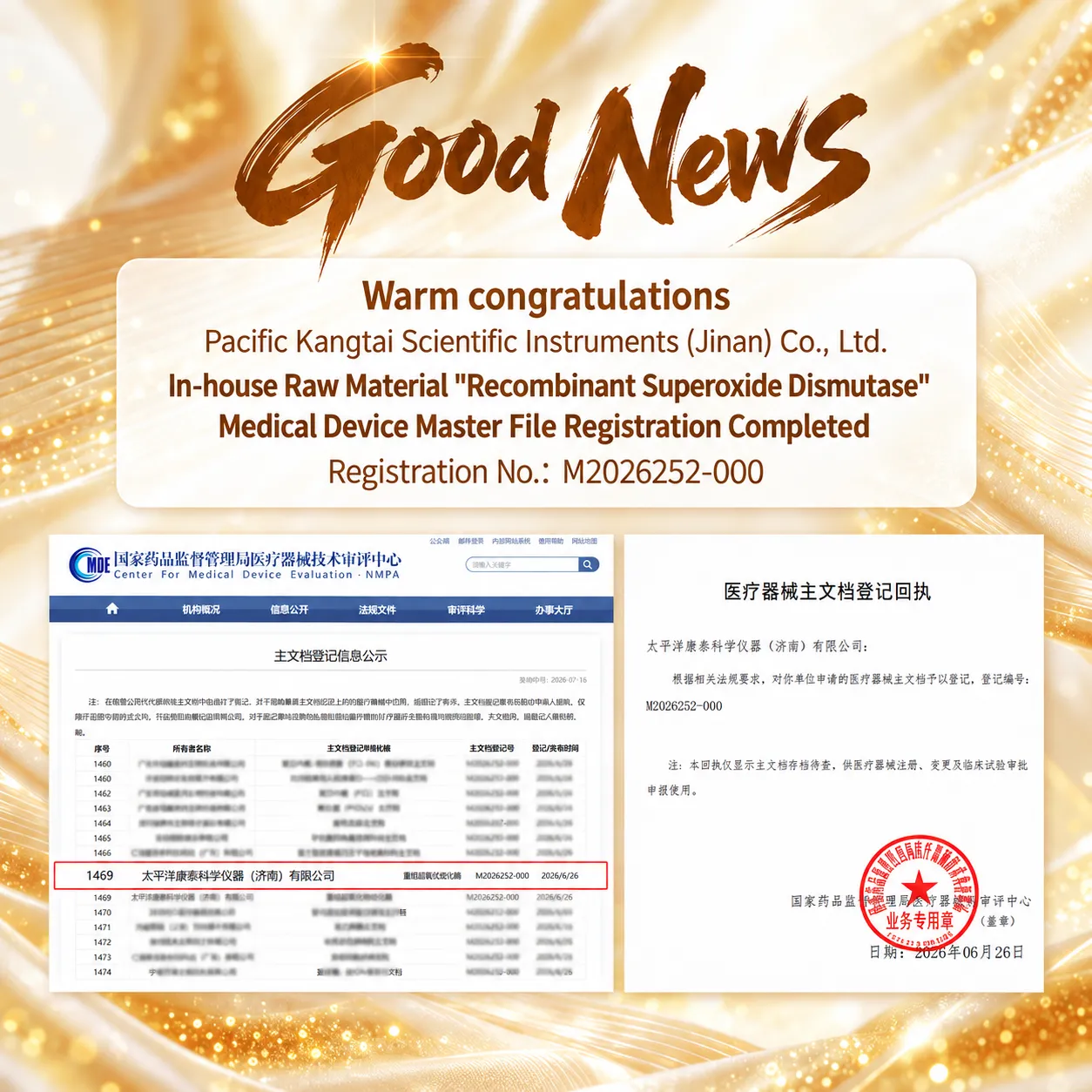
Biotech & Drug Development: Advances include recombinant human SOD and SOD mimetics. Companies like Novartis (Chiron) have patented stabilized recombinant SOD enzymes for potential drug use. Delivery challenges (SOD is a protein that is poorly absorbed) are being addressed with techniques like PEGylation or encapsulation.
Market Forms: In the pharmaceutical sector, SOD is available as injectable enzymes (for research/clinical use), oral supplements, and topical formulations. Demand in pharmaceuticals and therapeutics is a leading application segment, reflecting its role in preventive healthcare and niche therapies.
Applications in Cosmetics & Personal Care
Anti-Aging Skincare: SOD is a “star” antioxidant in cosmetics. It neutralizes free radicals from UV and pollution, which are a primary cause of skin aging. By scavenging these ROS, SOD prevents breakdown of collagen and elastin, helping skin stay firm and smooth. Cosmetic science literature notes that topical SOD can make skin “soft and smooth” and promote healthy collagen cross-linking.
Sun Protection and Anti-Inflammation: Studies show that applying SOD (often linked to skin-penetrating peptides) significantly boosts UV resistance in human skin. For example, a TAT-SOD formulation increased the minimal erythema (sunburn) dose by ~37% and cut UVB-induced cell damage by ~48%. SOD also has anti-inflammatory effects: it’s safe (non-toxic) and can reduce redness and irritation.
Commercial Products: Many skincare brands now include SOD in creams, serums, sunscreens and hair/nail products. Well-known examples (based on industry reports) include Estée Lauder, Paula’s Choice, Revitol, and various Asian beauty brands. Novel forms like encapsulated plant SOD (e.g. melon SOD “Extramel”) are also used as anti-stress ingredients.
Trends: The cosmetics industry is innovating with SOD by combining it with other actives (vitamins, peptides) in anti-aging formulations. There is rising demand for “clean” and natural-sourced antioxidants, so plant-derived and fermentation-derived SODs are especially popular.
Sourcing SOD: Powder, Recombinant, and Suppliers
Sources: Industrial SOD was once extracted from animal organs or plant tissues, but yields were low. Today most SOD is produced via microbial fermentation or recombinant biotechnology. Bacteria, yeast or algae can be engineered to overproduce SOD, allowing cost-effective, large-scale enzyme powders.
Recombinant SOD: Many suppliers offer recombinant human or plant SOD, which ensures consistent quality. For example, human Cu/Zn-SOD has been expressed in E. coli and yeast at high yields. Recombinant production also permits engineering (e.g. thermostable or PEGylated variants) to enhance performance.
Product Forms: SOD is typically supplied as a lyophilized (freeze-dried) powder with specified activity units per mg. It may also be formulated into capsules, tablets, or granules for supplements, and pre-mixed into creams or food ingredients. Stability data (shelf life, temperature tolerance) is important; some patented SOD powders remain active for years at room temperature.
Major Suppliers: Numerous biotechnology companies sell SOD powder and enzymes. These include general reagent suppliers (Sigma-Aldrich, Roche, Enzo Life Sciences, etc.) and specialized manufacturers (e.g., Amano Enzyme in Japan, Luminex, Creative Enzymes). When looking for a “SOD powder supplier”, industrial buyers often seek high-purity, well-characterized SOD (recombinant sources are common).
Recombinant vs. Natural: Market offerings include both “natural” SOD (e.g. melon extracts, patented yeast SODs) and recombinant. Recombinant SOD is typically favored in pharma/food for purity and regulatory consistency. For cosmetics, botanical SOD extracts may be marketed for a natural label, but all sources perform the same dismutation chemistry.
Market Trends & Regional Focus
Growing Demand: Overall, demand for SOD is driven by wellness and aging demographics. The market spans pharmaceuticals (treatments), nutraceuticals (supplements/foods), and personal care. Analysts note expanding use of SOD in sports nutrition, functional foods, and skincare.
Advanced Formulations: A trend is novel delivery systems for SOD – liposomal and nano-encapsulated SOD are under development to improve absorption and stability in the body. These technologies aim to overcome SOD’s intrinsic instability and enable more effective oral or topical products.
Regional Highlights:
North America: Strongest in pharma/therapeutics and dietary supplements (high R&D, consumer spending).
Europe: Established market with focus on natural health products and strict cosmetic/pharma regulations.
Asia-Pacific: Fastest growth (China, Japan, Korea, India). Booming skincare and anti-aging markets plus growing use of traditional nutraceuticals fuel demand. For instance, China has quality standards for SOD-containing health foods.
Rest of World: Latin America and Middle East/N. Africa show moderate growth in wellness products and biotech investments.
Conclusion / Outline Wrap-Up
Key Points: SOD is a versatile industrial ingredient due to its enzyme-based antioxidant mechanism. In food, it preserves quality and enriches health products; in pharma it is explored for treating oxidative damage and has approved uses in niche therapies; in cosmetics it protects and rejuvenates skin.
Organization: A well-structured article would introduce SOD’s science (mechanism, types), then delve into each industry segment (Food, Pharma, Cosmetics) with technical details (reaction pathways, examples, products) and market context. Finally, include a section on sourcing SOD (powder vs. recombinant) to address the keyword focus on “SOD powder suppliers.” Each section should cite current research or industry data to satisfy the technical depth requirement.
Final Note: Highlighting product examples (e.g. SOD-enriched foods, Orgotein, SOD in skincare) and scientific data (enzyme activity, mechanism) will appeal to both technical readers and industry professionals. The article should balance scientific detail (metal cofactors, reaction kinetics) with practical info (applications, market trends, suppliers) to engage the target audience.





Please leave us a message.