

Buy Medical Grade Hydroxyapatite Powder | ISO Certified Supplier
2026-09-19
- What Is Medical Grade Hydroxyapatite Powder?
- Why ISO Certification Matters When You Buy Medical Grade Hydroxyapatite Powder
- Technical Specifications: What to Look For in 2026
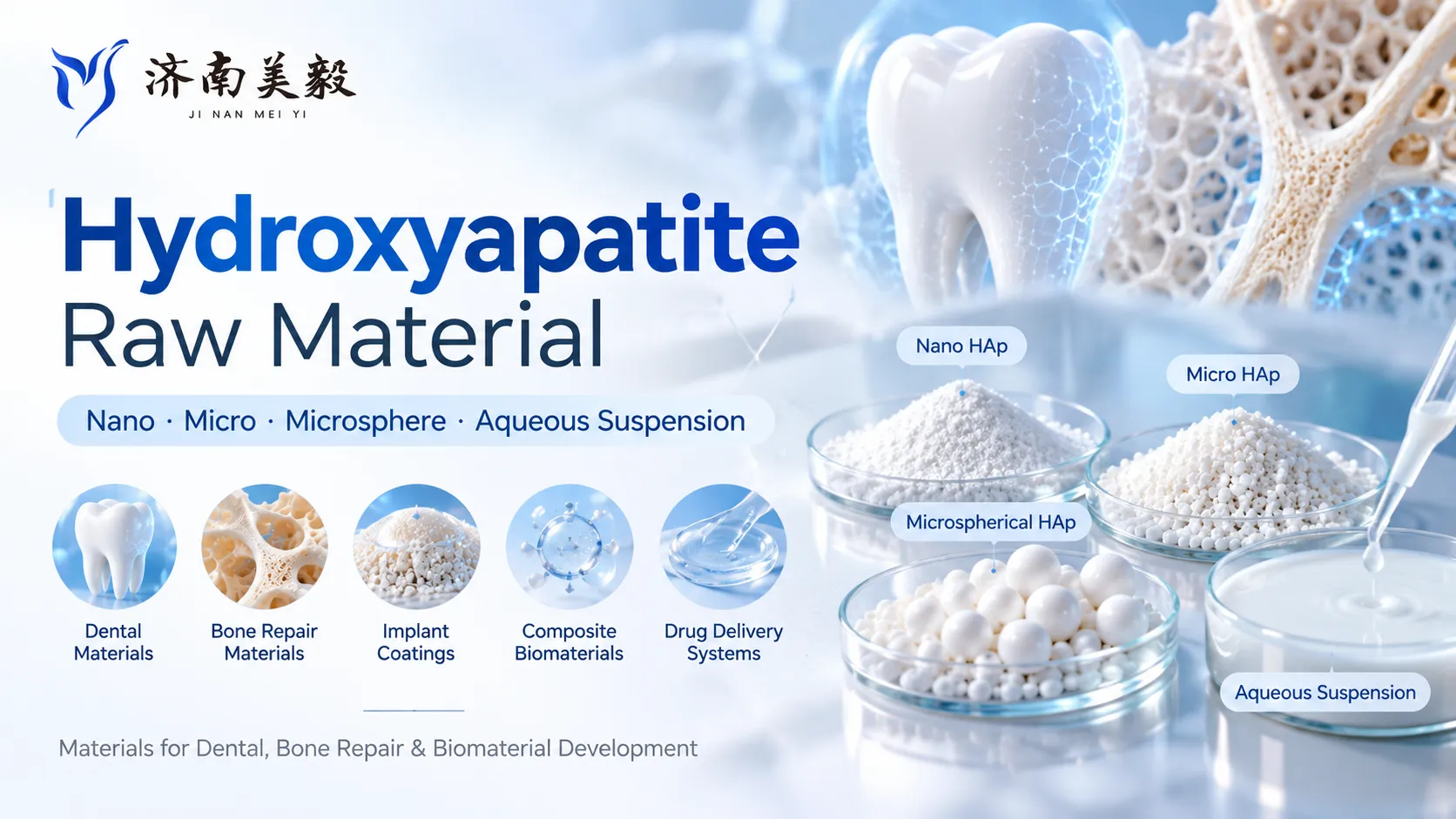
- Applications of Medical Grade Hydroxyapatite
- How to Evaluate Suppliers: A Step-by-Step Procurement Guide
- Common Mistakes When Sourcing Hydroxyapatite Powder
- Comparison: Synthetic HA vs. Natural HA
- Storage and Handling Best Practices
- Frequently Asked Questions (FAQ)
- Partnering with Jinan Meiyi Biotechnology for Reliable Sourcing
- Conclusion: Securing Your Supply Chain for Biomedical Innovation
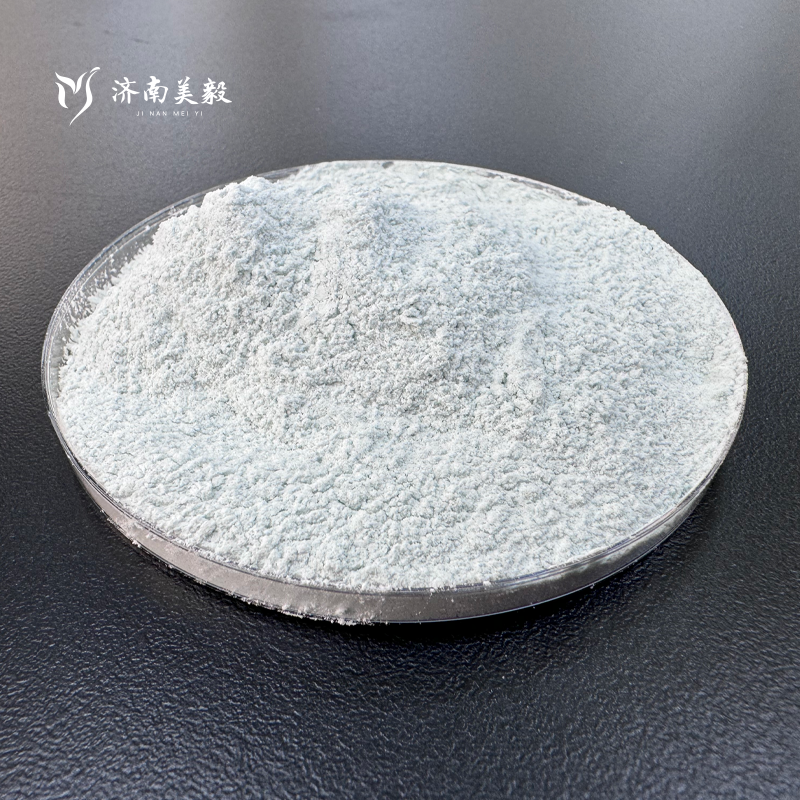
Medical grade hydroxyapatite powder is a high-purity, biocompatible calcium phosphate ceramic widely used in orthopedic implants, dental coatings, and bone tissue engineering. To buy medical grade hydroxyapatite powder that meets strict regulatory standards, buyers must verify ISO 13485 certification, precise Ca/P molar ratios (typically 1.67), and low heavy metal content. Our ISO-certified supply chain ensures consistent particle size distribution and phase purity, critical for osseointegration and clinical safety. This guide details technical specifications, quality verification protocols, and procurement strategies for biomedical manufacturers seeking reliable bulk sourcing in 2026.
What Is Medical Grade Hydroxyapatite Powder?
Hydroxyapatite (HA), chemically represented as Ca10(PO4)6(OH)2, is the primary mineral component of human bone and teeth. In its synthetic form, it serves as a cornerstone material in regenerative medicine. However, not all HA powders are created equal. “Medical grade” distinguishes materials manufactured under stringent Good Manufacturing Practices (GMP) and ISO 13485 quality management systems from industrial or agricultural grades.
The fundamental difference lies in purity and structural integrity. Industrial HA may contain trace impurities, inconsistent crystallinity, or unwanted phases like tricalcium phosphate (TCP). In contrast, medical grade hydroxyapatite powder must exhibit a stoichiometric Calcium-to-Phosphorus (Ca/P) ratio of approximately 1.67. Deviations from this ratio can alter solubility rates and biological response, potentially leading to implant failure or inflammatory reactions.
For biomedical engineers and procurement specialists, understanding these nuances is vital. The powder serves as the raw material for plasma spraying, sol-gel processes, and 3D printing scaffolds. Its performance directly influences the success of bone grafts, dental implants, and maxillofacial reconstruction devices. Therefore, sourcing from an ISO-certified supplier is not merely a compliance checkbox but a critical risk mitigation strategy.
Key Characteristics of High-Purity HA
- Phase Purity: X-ray Diffraction (XRD) analysis must confirm single-phase hydroxyapatite without secondary phases such as beta-TCP or calcium oxide, which can affect degradation rates.
- Crystallinity: The degree of crystallinity determines solubility. Low-crystalline HA resorbs faster, suitable for temporary scaffolds, while high-crystalline HA provides long-term structural stability for load-bearing implants.
- Particle Size Distribution: Controlled micron or sub-micron particle sizes ensure uniform coating thickness and optimal surface area for protein adsorption and cell attachment.
- Bioburden Control: Medical grade powders undergo rigorous sterilization validation and endotoxin testing to meet USP <85> limits, ensuring patient safety.
Why ISO Certification Matters When You Buy Medical Grade Hydroxyapatite Powder
In the biomedical sector, traceability and quality assurance are non-negotiable. When you look to buy medical grade hydroxyapatite powder, the supplier’s certification status is the first indicator of reliability. ISO 13485 is the international standard for medical device quality management systems. Unlike ISO 9001, which focuses on general customer satisfaction, ISO 13485 emphasizes regulatory compliance, risk management, and product safety throughout the lifecycle.
An ISO-certified supplier maintains documented procedures for every stage of production, from raw material sourcing to final packaging. This includes strict control over contamination risks, equipment calibration, and personnel training. For buyers, this translates to reduced variability between batches—a common pain point in ceramic processing. Consistent batch-to-batch quality is essential for maintaining valid Design History Files (DHF) and Technical Files required by the FDA (USA) and EMA (Europe).
Risk Mitigation in Supply Chain
Sourcing from a non-certified vendor introduces significant regulatory risk. If a batch of HA powder contains undisclosed impurities, it can compromise entire production runs of implants, leading to costly recalls and legal liabilities. ISO certification provides an audit trail that demonstrates due diligence. It assures regulators that the material was produced in a controlled environment, meeting predefined specifications for chemical composition and physical properties.
Furthermore, ISO-certified facilities are regularly audited by third-party bodies. These audits verify that the supplier adheres to current Good Manufacturing Practices (cGMP). For B2B buyers, this external validation reduces the need for extensive incoming inspection, accelerating time-to-market for new medical devices.
Technical Specifications: What to Look For in 2026
As biomedical applications evolve, so do the technical requirements for raw materials. In 2026, the demand for nanostructured and highly porous HA scaffolds has increased, driven by advances in 3D bioprinting. Consequently, the specifications for hydroxyapatite powder have become more refined. Buyers must specify exact parameters to ensure compatibility with their manufacturing processes.
| Parameter | Standard Medical Grade Specification | Importance |
|---|---|---|
| Ca/P Molar Ratio | 1.67 ± 0.02 | Ensures stoichiometric balance and predictable solubility. |
| Purity | > 99.5% | Minimizes immune response and cytotoxicity risks. |
| Particle Size (D50) | 1–10 µm (Coating) / < 100 nm (Nano-applications) | Determines surface area and sintering behavior. |
| Crystallinity | Adjustable (Amorphous to > 95% Crystalline) | Controls degradation rate and mechanical strength. |
| Heavy Metals | < 10 ppm (Total) | Complies with biocompatibility standards (ISO 10993). |
| Endotoxins | < 0.5 EU/mL | Critical for implantable devices to prevent fever/inflammation. |
Understanding Particle Morphology
Beyond simple size metrics, particle morphology plays a crucial role in processing. Spherical particles flow better, making them ideal for thermal spray applications where consistent feed rates are necessary. Irregular or platelet-shaped particles may offer better packing density for cold-pressing but can clog nozzles in additive manufacturing systems. When you buy medical grade hydroxyapatite powder, request Scanning Electron Microscope (SEM) images to verify morphology. This visual data helps predict how the powder will behave during your specific fabrication process.
Applications of Medical Grade Hydroxyapatite
The versatility of hydroxyapatite allows it to be used in various biomedical fields. Its bioactivity enables direct bonding with bone tissue, a process known as osseointegration. This property makes it indispensable for both permanent and resorbable implants. Understanding the specific application helps in selecting the right grade of HA powder.
Orthopedic Implants and Coatings
Metallic implants, such as titanium hips and knees, are often coated with HA to enhance bone ingrowth. The HA layer acts as a biological bridge, encouraging osteoblasts to adhere and proliferate. For plasma spraying, the HA powder must have high crystallinity to withstand the high temperatures of the spray process without decomposing into less stable phases. Poor quality powder can lead to coating delamination, a serious clinical complication.
Dental Restoration and Bone Grafts
In dentistry, HA powder is used in bone grafting procedures to fill voids left by tooth extraction or periodontal disease. Here, the resorption rate is key. Synthetic HA can be engineered to resorb at a rate matching new bone formation. Nano-sized HA particles are also incorporated into toothpaste and remineralizing agents due to their ability to penetrate enamel micro-cracks, offering superior cavity protection compared to fluoride alone.
Tissue Engineering Scaffolds
Recent advancements in regenerative medicine utilize HA in composite scaffolds combined with polymers like collagen or polylactic acid (PLA). These scaffolds provide a 3D structure for cell growth. The HA component provides mechanical stiffness and bioactive signals, while the polymer offers flexibility. For 3D printing applications, the HA powder must be finely ground and free of agglomerates to ensure smooth extrusion and high-resolution print fidelity.
How to Evaluate Suppliers: A Step-by-Step Procurement Guide
Selecting the right supplier is a multi-step process that goes beyond price comparison. It requires a thorough assessment of technical capability, quality systems, and logistical reliability. Follow this structured approach to minimize risk when you buy medical grade hydroxyapatite powder.
Step 1: Verify Certifications and Documentation
Request current copies of ISO 13485 and ISO 9001 certificates. Verify their validity with the issuing body. Ask for a sample Certificate of Analysis (CoA) from a recent batch. The CoA should detail Ca/P ratio, particle size distribution, heavy metal content, and microbiological status. A transparent supplier will provide this data readily.
Step 2: Request Samples for In-House Testing
Never commit to bulk purchasing without testing. Order small samples for evaluation. Perform XRD to check phase purity and SEM to examine particle morphology. Test the powder in your specific process (e.g., sintering, spraying, or mixing) to assess handling characteristics and final product performance. This empirical data is far more valuable than marketing claims.
Step 3: Assess Manufacturing Capacity and Lead Times
Evaluate whether the supplier can meet your volume requirements consistently. Inquire about their production capacity, inventory levels, and typical lead times. A reliable supplier should have buffer stock to handle urgent orders without compromising quality. Ask about their business continuity plans to ensure supply stability in case of disruptions.
Step 4: Review Regulatory Support
For medical device manufacturers, regulatory documentation is crucial. Ensure the supplier can provide a Drug Master File (DMF) reference or relevant REACH/RoHS compliance statements. This support simplifies your own regulatory submissions to agencies like the FDA or CE marking authorities.
Common Mistakes When Sourcing Hydroxyapatite Powder
Even experienced procurement professionals can make errors when sourcing specialized biomaterials. Avoiding these common pitfalls can save time, money, and reputational damage.
- Ignoring Batch Consistency: Assuming all batches are identical is dangerous. Variations in synthesis conditions can lead to differences in crystallinity and particle size. Always qualify each new batch before full-scale production.
- Focusing Solely on Price: Lower-priced HA often cuts corners on purification or quality control. The cost of failed implants or regulatory delays far outweighs the savings from cheaper raw materials.
- Overlooking Packaging Integrity: HA powder is hygroscopic. Improper packaging can lead moisture absorption, causing agglomeration and altering processing behavior. Ensure suppliers use moisture-barrier packaging with desiccants.
- Neglecting Technical Support: A supplier who only sells powder without offering technical insights is a missed opportunity. Choose partners who understand your application and can troubleshoot processing issues.
Comparison: Synthetic HA vs. Natural HA
When you buy medical grade hydroxyapatite powder, you may encounter options derived from natural sources (e.g., bovine bone) versus synthetic processes. Each has distinct advantages and limitations.
| Feature | Synthetic Hydroxyapatite | Natural Hydroxyapatite |
|---|---|---|
| Purity | High (>99.5%), controlled chemistry | Variable, may contain organic residues |
| Pathogen Risk | None (chemical synthesis) | Potential (requires rigorous sterilization) |
| Consistency | High batch-to-batch reproducibility | Dependent on biological source variability |
| Regulatory Acceptance | Generally easier for Class II/III devices | Requires extensive viral clearance validation |
| Cost | Moderate to High | Lower raw material cost, higher processing cost |
For most high-risk implantable devices, synthetic HA is preferred due to its superior purity and lack of immunogenic risk. Natural HA is sometimes used in lower-risk bone void fillers where cost is a primary driver, but the trend in 2026 is strongly shifting towards synthetic sources for their predictability and safety profile.
Storage and Handling Best Practices
Proper storage is essential to maintain the quality of medical grade hydroxyapatite powder. Exposure to moisture and contaminants can degrade the material, affecting its performance in downstream processes.
Environmental Controls
Store HA powder in a cool, dry environment with controlled humidity (ideally < 40% RH). Use air-conditioned warehouses with dehumidifiers if necessary. Avoid temperature fluctuations that can cause condensation inside packaging.
Packaging Integrity
Keep powder in its original sealed containers until ready for use. Most medical grade HA is packaged in double-layered polyethylene bags within fiber drums, often with nitrogen flushing to prevent oxidation and moisture uptake. Once opened, use the powder promptly and reseal any remaining material tightly.
Handling Precautions
While HA is biocompatible, fine powders can pose inhalation risks. Personnel should wear appropriate personal protective equipment (PPE), including N95 masks and gloves, during handling. Use local exhaust ventilation to minimize airborne dust. Follow standard industrial hygiene practices to ensure a safe working environment.
Frequently Asked Questions (FAQ)
What is the shelf life of medical grade hydroxyapatite powder?
When stored in unopened, original packaging under recommended conditions (cool, dry place), medical grade hydroxyapatite powder typically has a shelf life of 24 to 36 months. However, it is best practice to re-test critical parameters like moisture content and particle size if the material has been stored for more than 12 months before use in critical applications.
Can hydroxyapatite powder be sterilized after purchase?
Yes, but the method matters. Gamma irradiation and ethylene oxide (EtO) gas are common sterilization methods for medical devices. However, high-temperature autoclaving is generally not recommended for HA powder as it can alter crystallinity and cause agglomeration. Many suppliers offer pre-sterilized options, which is often the safest route to maintain material integrity.
How does particle size affect osseointegration?
Particle size influences surface area and protein adsorption. Nano-sized particles (<100 nm) mimic the natural bone mineral structure more closely, promoting faster cell adhesion and differentiation. Micron-sized particles (1-10 µm) are better for structural coatings. A blend of sizes is sometimes used to optimize both biological response and mechanical interlocking.
Is custom synthesis available for specific Ca/P ratios?
Leading ISO-certified suppliers often offer custom synthesis services. If your application requires a non-stoichiometric ratio (e.g., calcium-deficient HA for faster resorption), discuss this with the supplier’s R&D team. Custom orders may require minimum quantity commitments and longer lead times for validation.
What documentation is needed for FDA submission?
For FDA submissions, you will need a comprehensive Technical File including the Supplier’s Quality Agreement, Certificates of Analysis, Material Safety Data Sheets (MSDS), Biocompatibility Test Reports (ISO 10993 series), and evidence of ISO 13485 certification. Ensure your supplier can provide all these documents in English and formatted for regulatory review.
Partnering with Jinan Meiyi Biotechnology for Reliable Sourcing
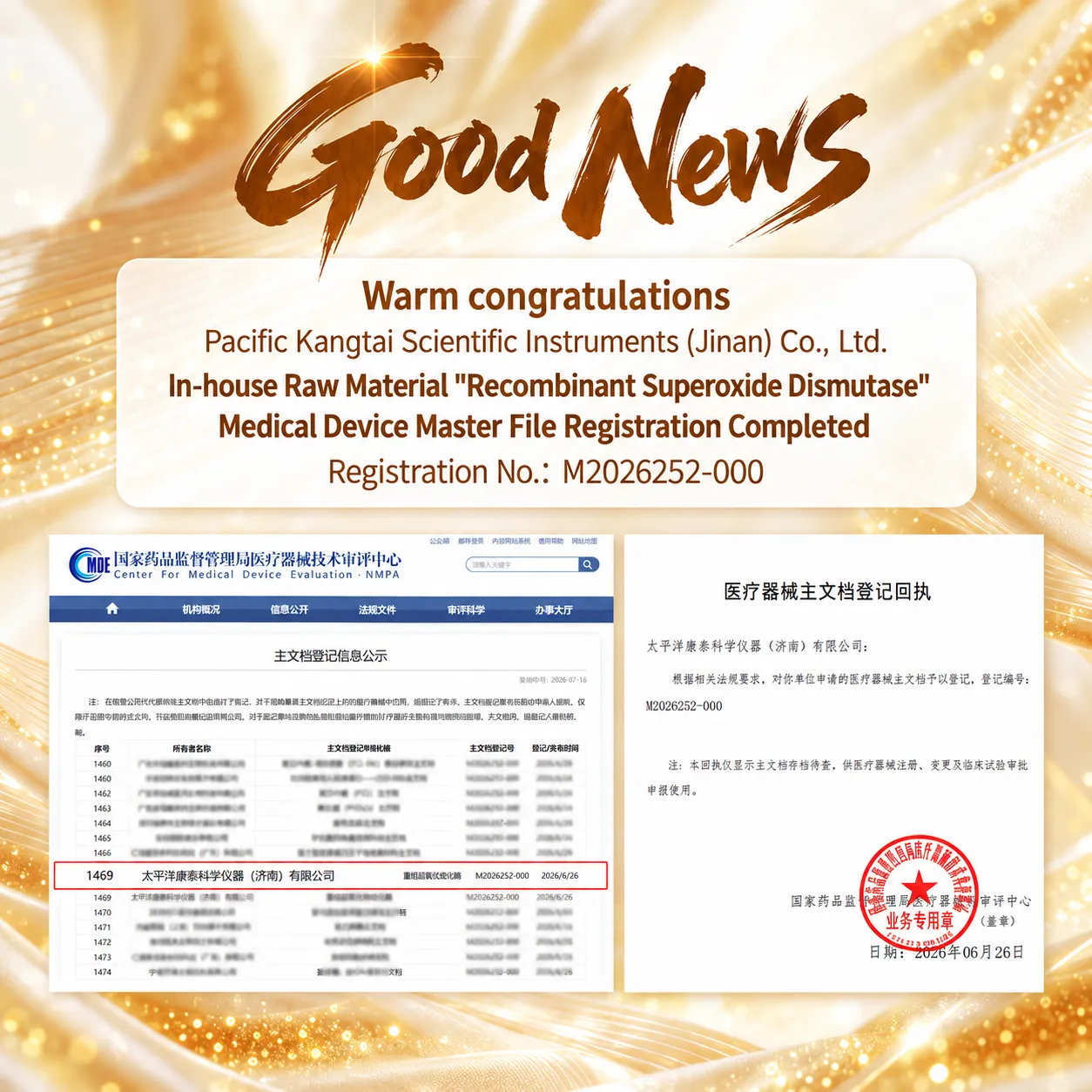
Navigating the complexities of the global supply chain for biomedical materials requires a partner who bridges the gap between scientific rigor and market responsiveness. Jinan Meiyi Biotechnology Co., Ltd., headquartered in Jinan, Shandong Province, serves as a strategic enabler for innovation in the bioactive technology sector. As a subsidiary of Pacific Kangtai Scientific Instruments (Jinan) Co., Ltd., the company specializes in the research, development support, and commercialization of high-performance raw materials, including medical-grade ceramics like hydroxyapatite.
Unlike traditional manufacturers, Jinan Meiyi Biotechnology operates as a specialized sourcing and quality-assured distribution partner. The company does not engage in direct manufacturing but instead leverages a robust global network of internationally recognized, ISO-certified suppliers. This model allows them to curate a portfolio of technically advanced, regulatory-compliant materials without the overhead of production facilities, focusing entirely on quality assurance and supply chain reliability. Every raw material, including hydroxyapatite powder, undergoes comprehensive evaluation based on efficacy data, stability profiles, and compatibility with modern formulation standards.
For clients in Asia, Europe, and North America—ranging from R&D laboratories to Contract Development and Manufacturing Organizations (CDMOs)—Jinan Meiyi Biotechnology offers more than just transactional supply. Their service philosophy is rooted in partnership, providing technical consultation, regulatory intelligence, and collaborative problem-solving. By maintaining strict control over storage conditions, shipping protocols, and documentation traceability (including Certificates of Analysis and Safety Data Sheets), they ensure that every batch of HA powder meets the stringent requirements of the medical aesthetics and biomedical industries. This approach minimizes sourcing complexity while giving clients full confidence in material consistency and regulatory readiness.
Conclusion: Securing Your Supply Chain for Biomedical Innovation
In the rapidly advancing field of biomedical engineering, the quality of raw materials dictates the success of final products. When you buy medical grade hydroxyapatite powder, you are investing in the foundational element of bone regeneration and implant stability. Choosing an ISO-certified supplier ensures that you receive material that meets rigorous standards for purity, consistency, and safety.
By prioritizing technical specifications, verifying certifications, and conducting thorough in-house testing, you mitigate risks and enhance the reliability of your medical devices. Whether you are developing next-generation orthopedic implants, dental solutions, or tissue engineering scaffolds, the right HA powder partner is crucial for navigating regulatory landscapes and achieving clinical excellence.
Do not compromise on quality. Partner with a supplier who understands the complexities of biomedical manufacturing and is committed to supporting your innovation journey. For detailed specifications, custom synthesis inquiries, or to request a sample, contact our technical sales team today.
Explore our full range of biomedical ceramics and technical solutions





Please leave us a message.