

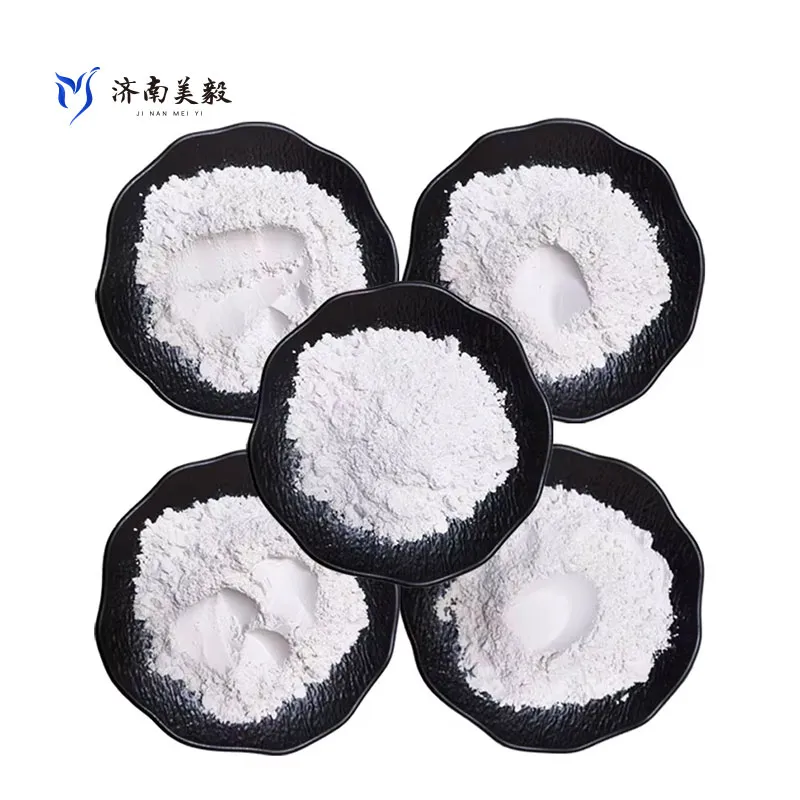
Synthetic 45S5 Bioactive Glass: ISO-Certified Manufacturer
содержание What is Synthetic 45S5 Bioactive Glass? How Does 45S5 Bioactive Glass Work? The Mechanism of Action Quality Assurance and Supply Chain Integrity Key Properties and Technical Specificati...
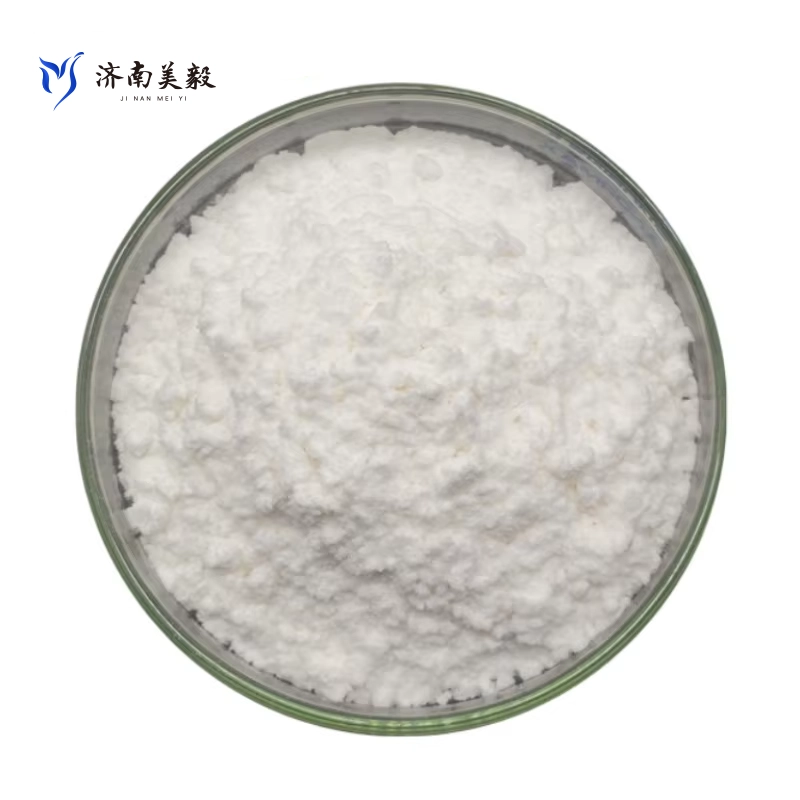
Medical Grade 45S5 Bioglass Supplier | ISO Certified Factory
содержание Understanding Medical Grade 45S5 Bioglass: Composition and Mechanism Why Choose an ISO-Certified 45S5 Bioglass Manufacturer? About Jinan Meiyi Biotechnology: Bridging Science and Supply...
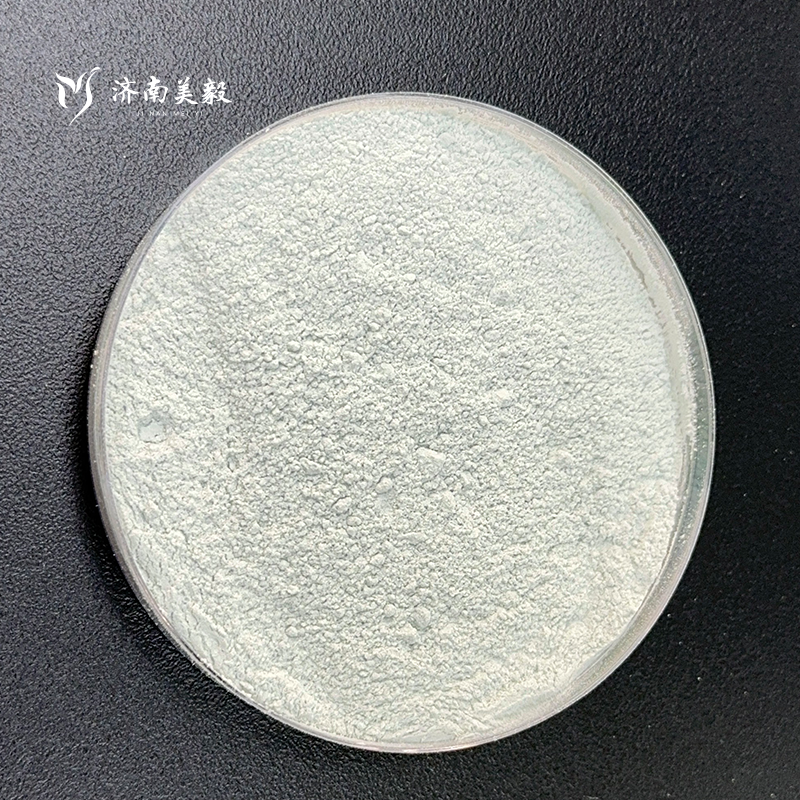
Bulk 45S5 Bioactive Glass Powder Manufacturer & Wholesale Price
содержание What is Bulk 45S5 Bioactive Glass Powder? About Jinan Meiyi Biotechnology: Your Strategic Sourcing Partner Why Choose Jinan Meiyi Biotechnology for 45S5 Powder? Technical Specifications...
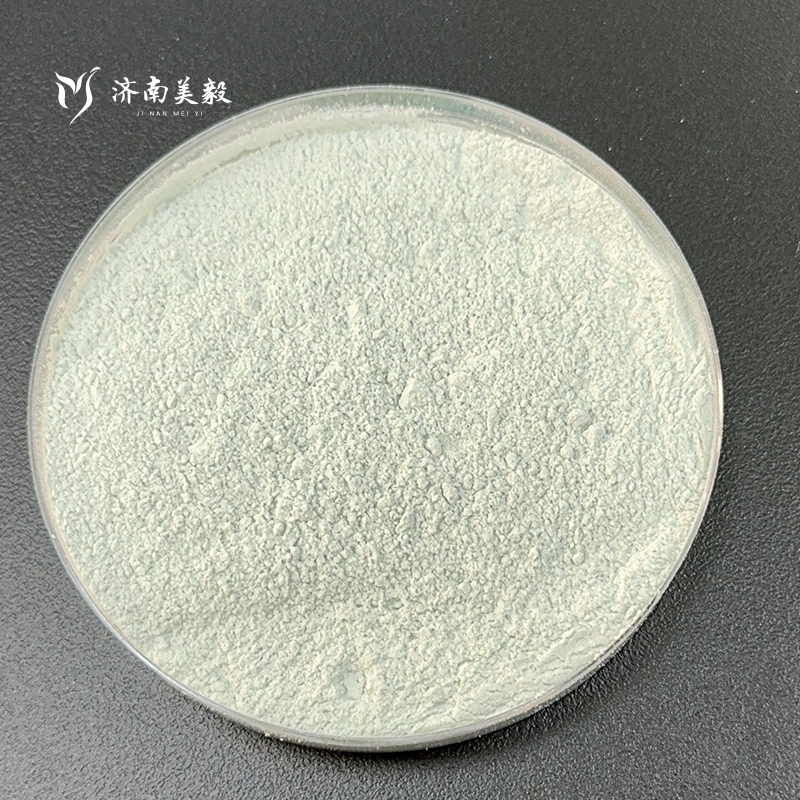
45S5 Bioglass for Dental Bone Graft: OEM Supplier
содержание What is 45S5 Bioglass and Why is it Critical for Dental Bone Grafting? Key Advantages of 45S5 Bioglass in Clinical Dentistry Applications of 45S5 Bioglass in Dental Procedures Technical...
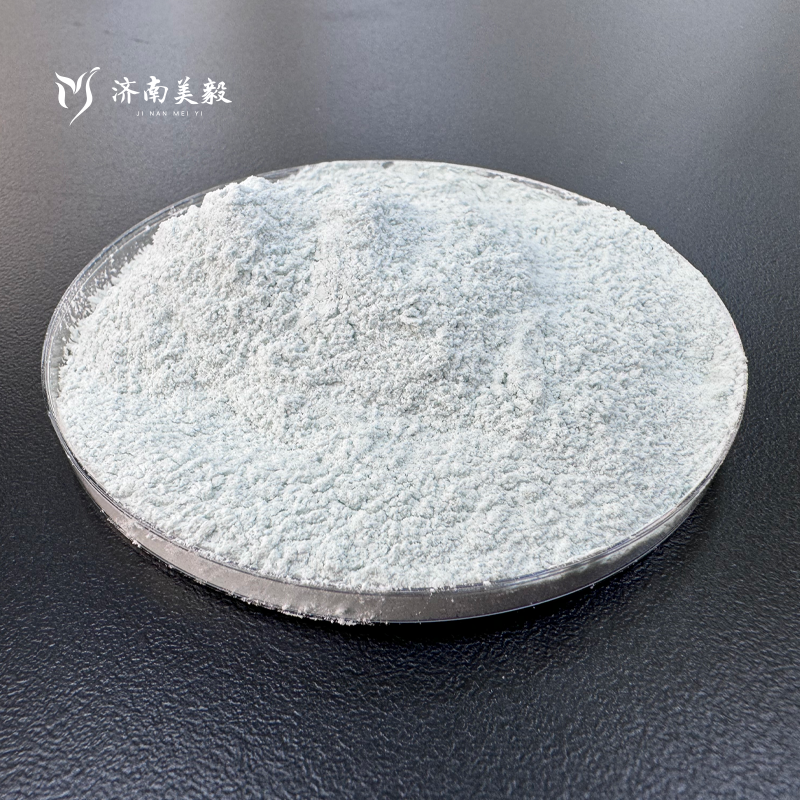
Buy Medical Grade 45S5 Bioglass | ISO Certified Supplier
содержание What Is Medical Grade 45S5 Bioglass? Why Choose ISO-Certified Suppliers for Bioglass Procurement? Technical Specifications and Quality Standards Applications of 45S5 Bioglass in Modern ...
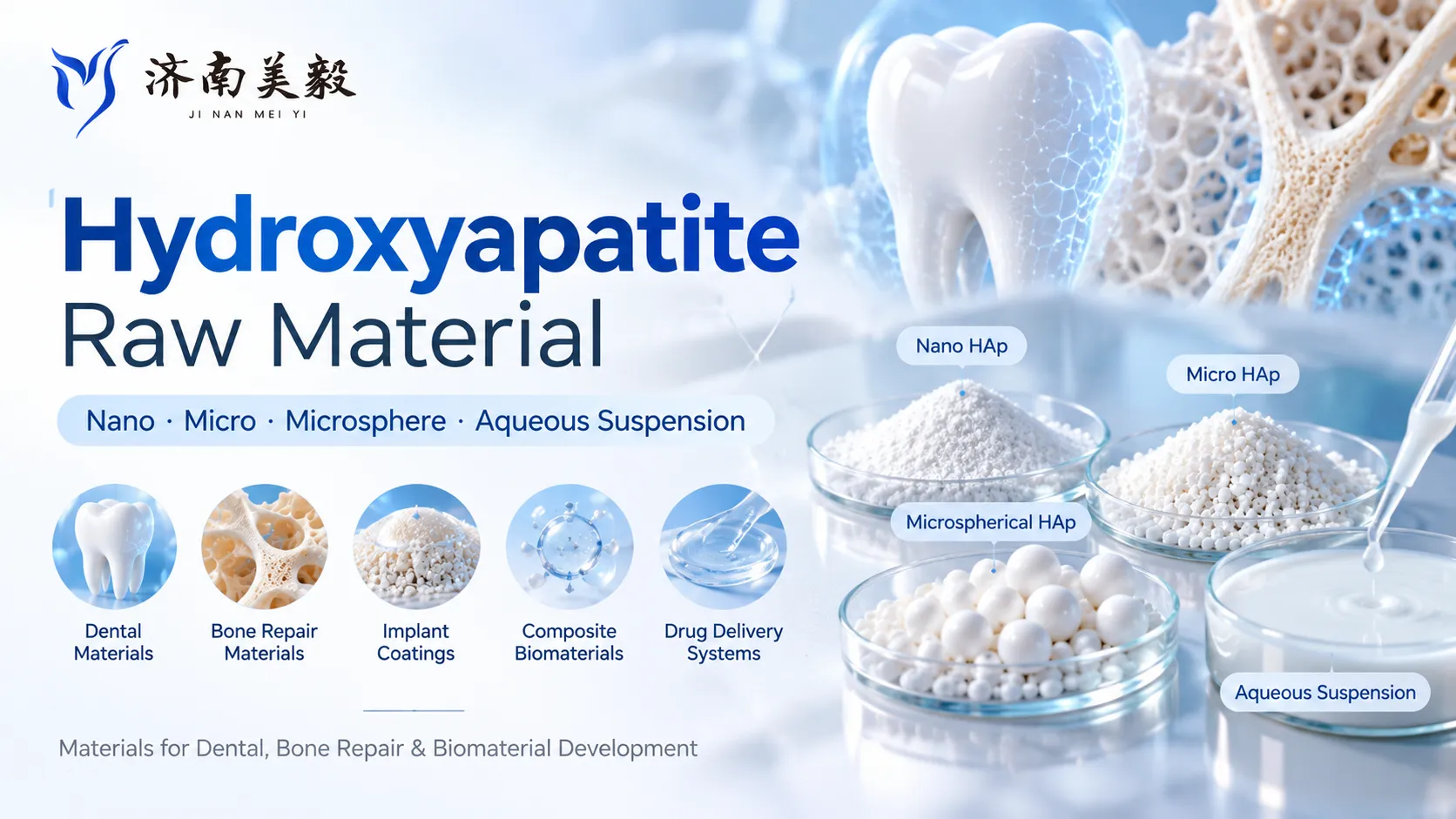
Hydroxyapatite Raw Material: Nano, Micro and Microsphere Options for Different Applications
Explore different Hydroxyapatite particle sizes and morphologies for dental, bone repair, coating, composite biomaterial and delivery-system development. Hydroxyapatite (HAp) is a calcium phosphate...



Please leave us a message.