



Polydeoxyribonucleotide
PDRN (polydeoxynucleotide) is a DNA fragment extracted from salmon cells. It shares approximately 98% homology with human DNA. Self-produced PDRN has a molecular weight ≤100 bp and provides nucleic acid bases during cellular metabolism.
Description
marker
Polydeoxyribonucleotide Product Description
PDRN (polydeoxyribonucleotide) is a DNA fragment extracted from salmon cells. PDRN is present in the human placenta and is one of the complexes that provide raw materials for intracellular DNA synthesis.
Essentially, it is a compound containing DNA polymers of varying molecular weights, with an average molecular weight of approximately 350 bp, composed of short-chain deoxyribonucleic acid fragments.
Polydeoxyribonucleotide Product Specification
| Name | PolyDeoxyRiboNucleotide |
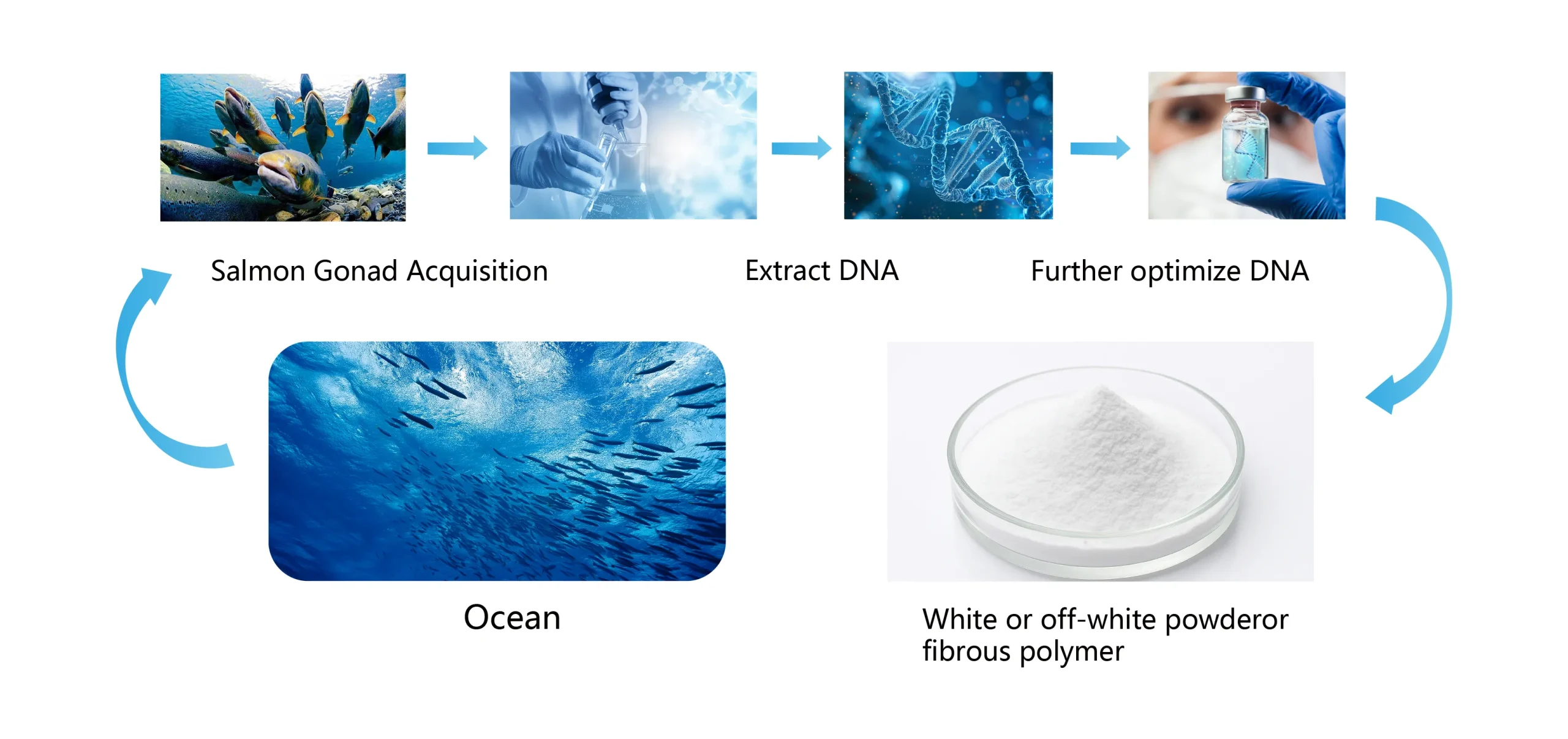
| Production Process | Derived from male salmon sperm cells, through biological extraction, and further purified, refined, and freeze-dried. |
| Product Categories | DNA |
| CAS | 100403-24-5 |
| Purity | ≥99% |
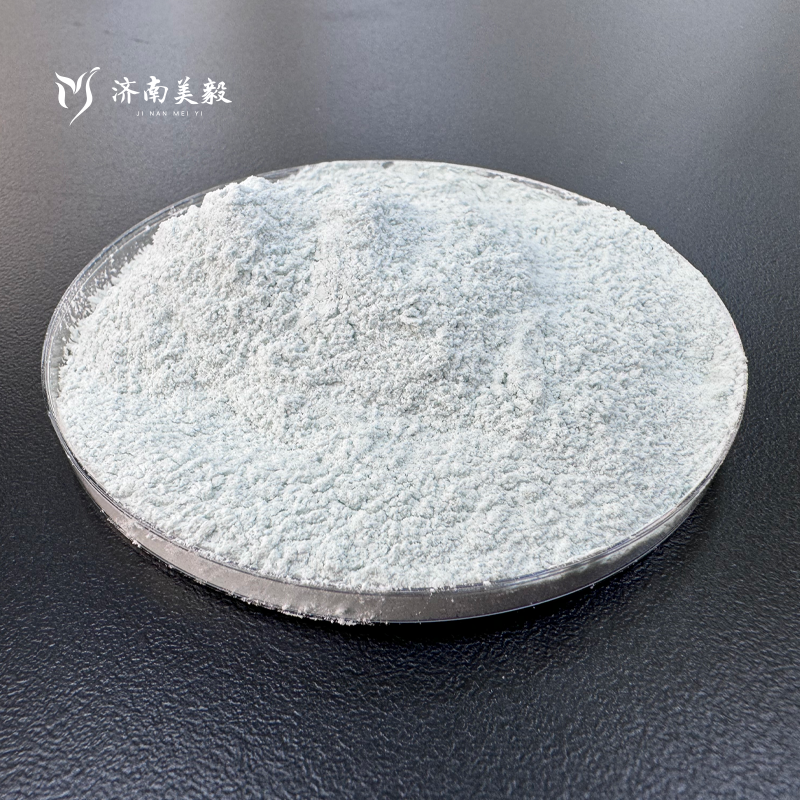
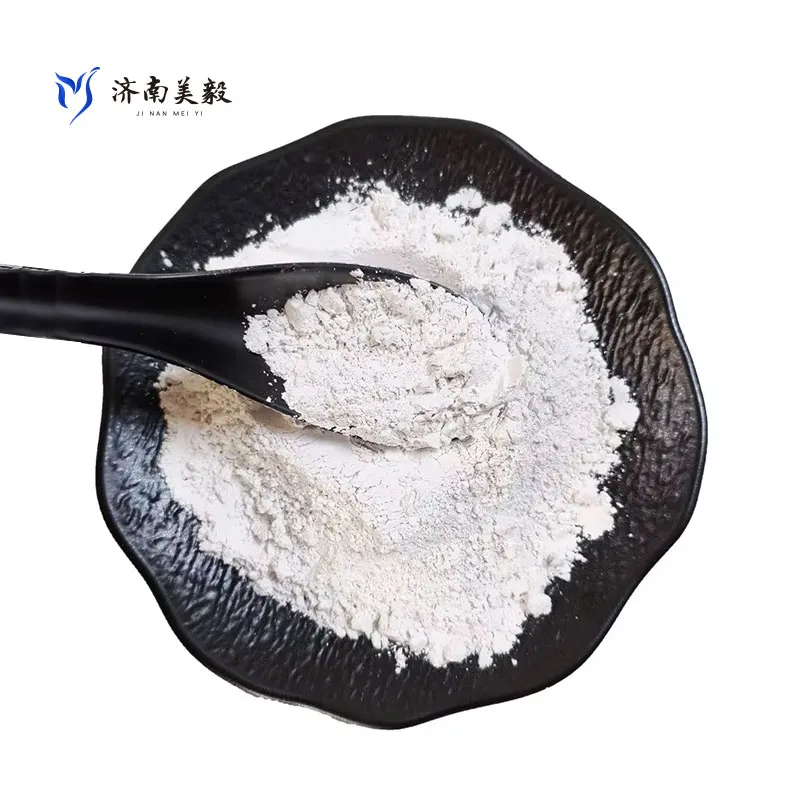
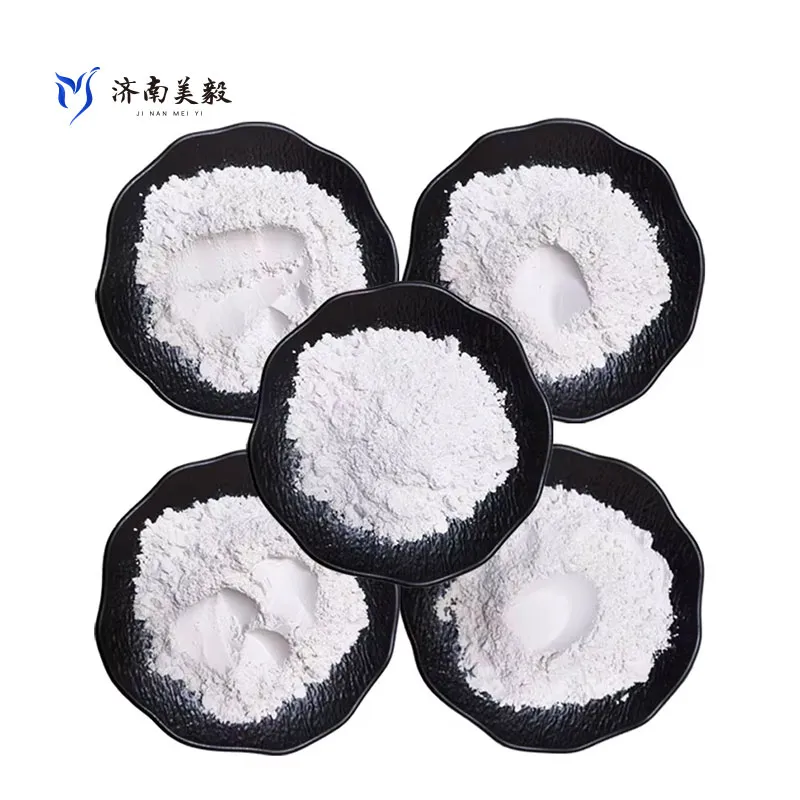
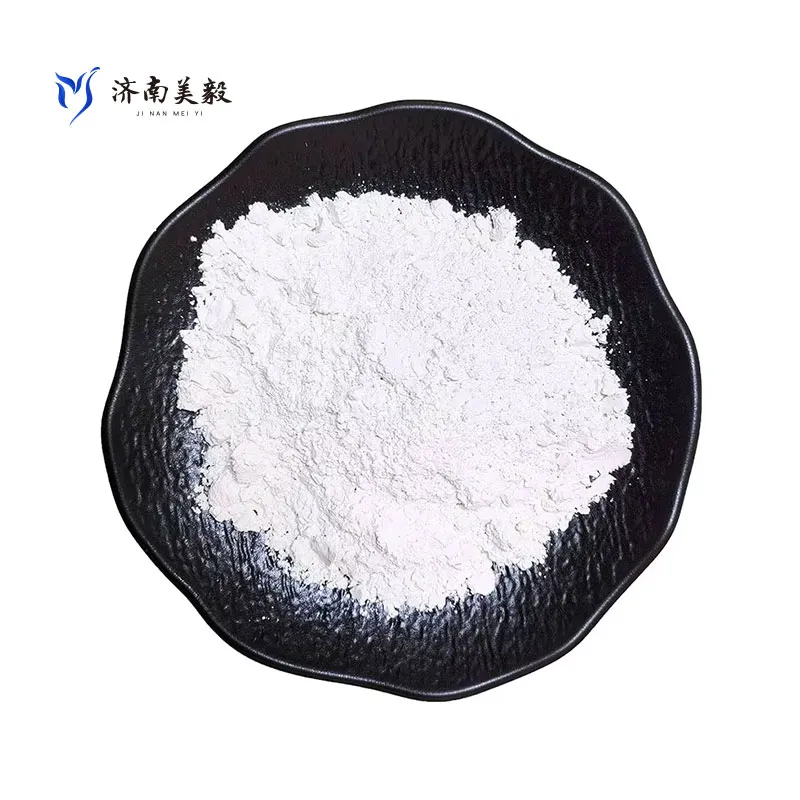
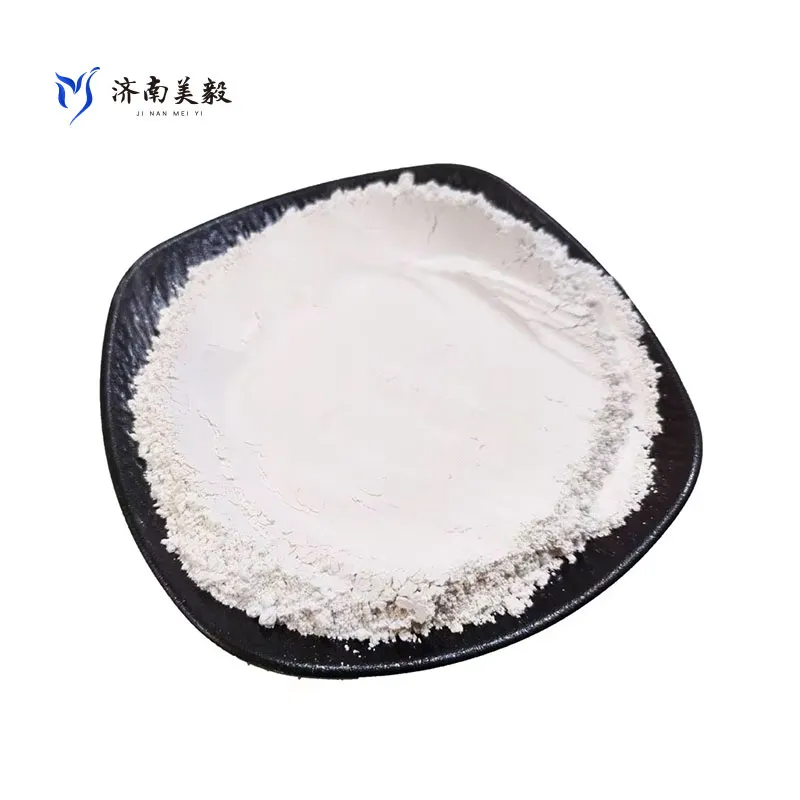
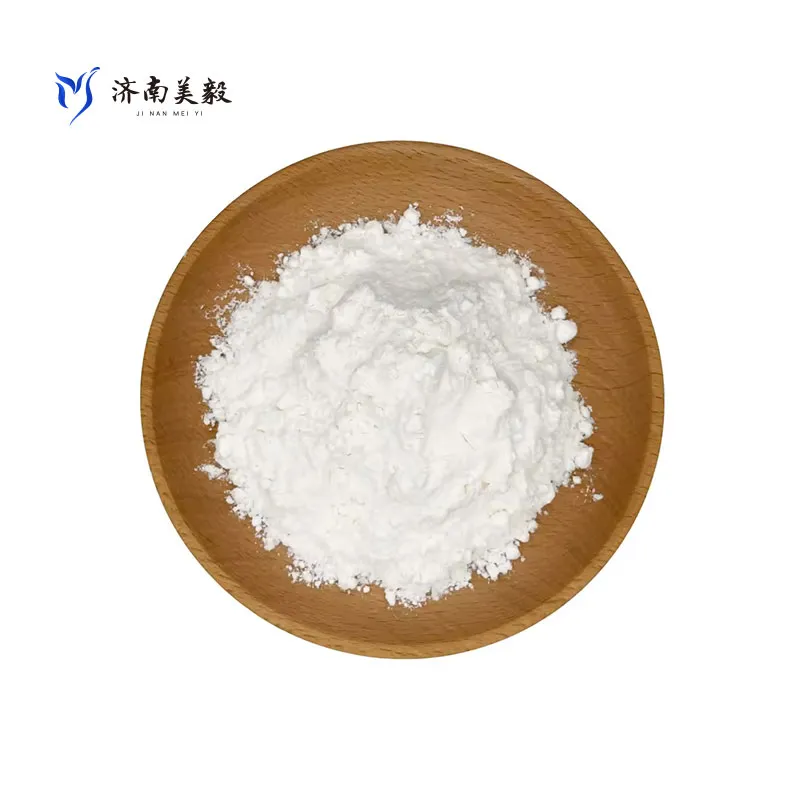
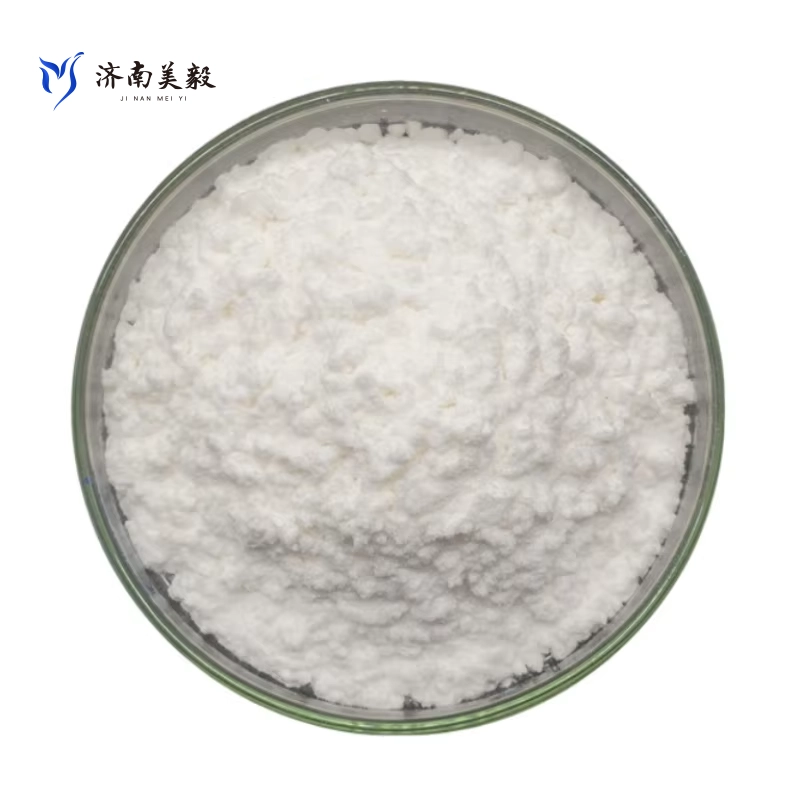
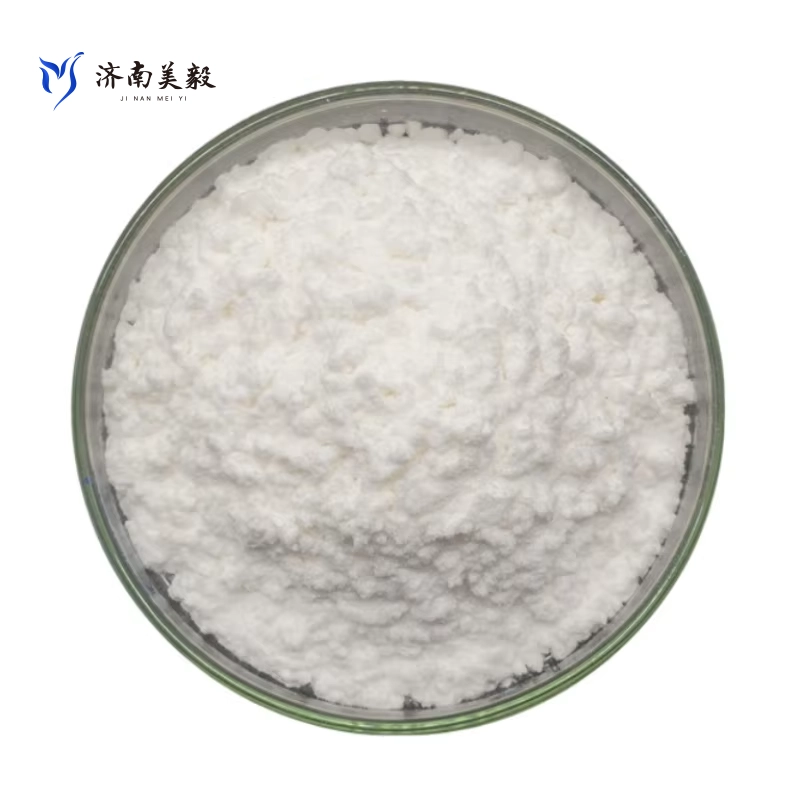
| Appearance | White lyophilized powder |
| PH | 7.0-7.5(10mg/ml) |
| Molecular Weight | ≤100bp |
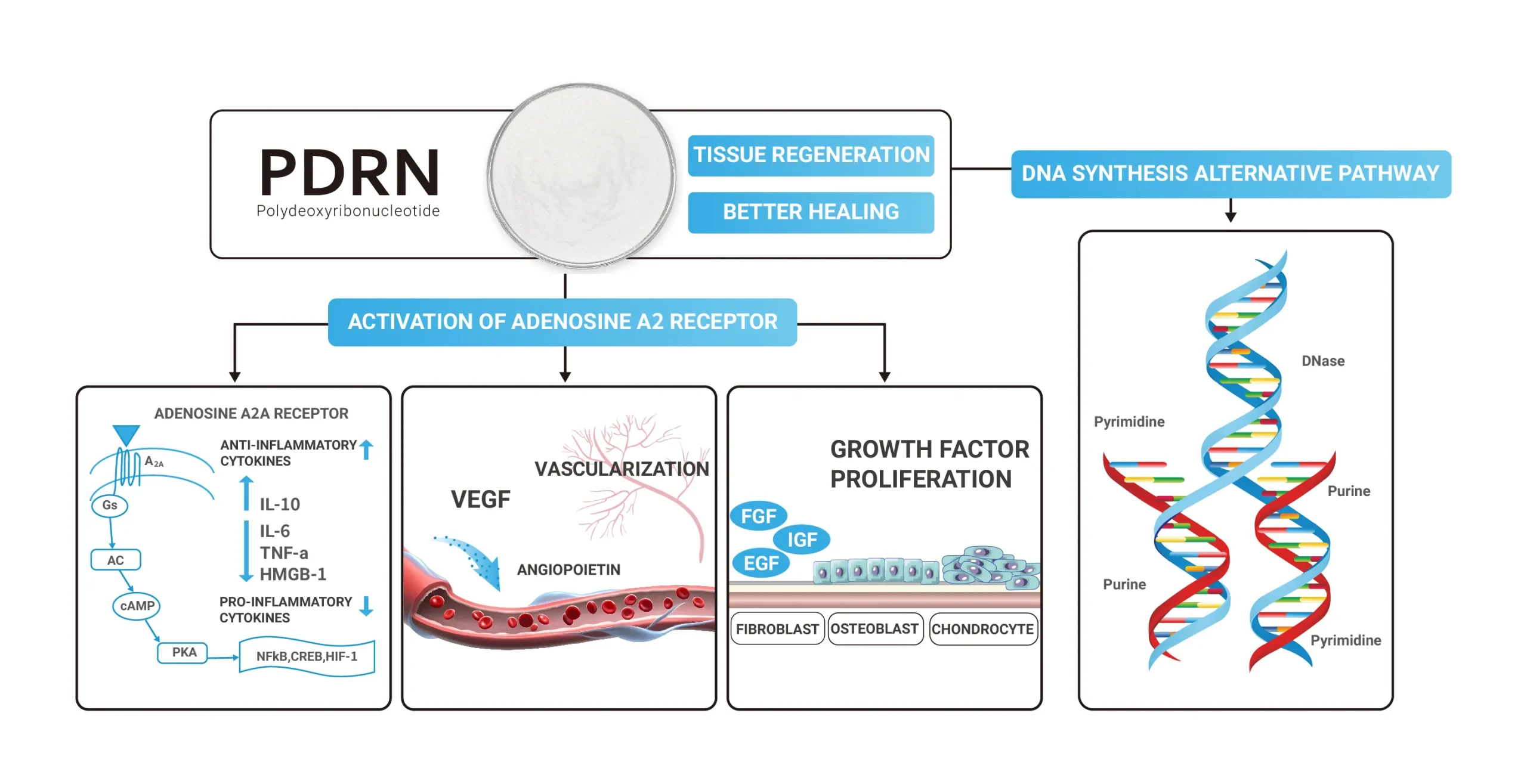
Polydeoxyribonucleotide Mechanism of Action
Polydeoxyribonucleotide Manufacturing Process
Polydeoxyribonucleotide Functional Role
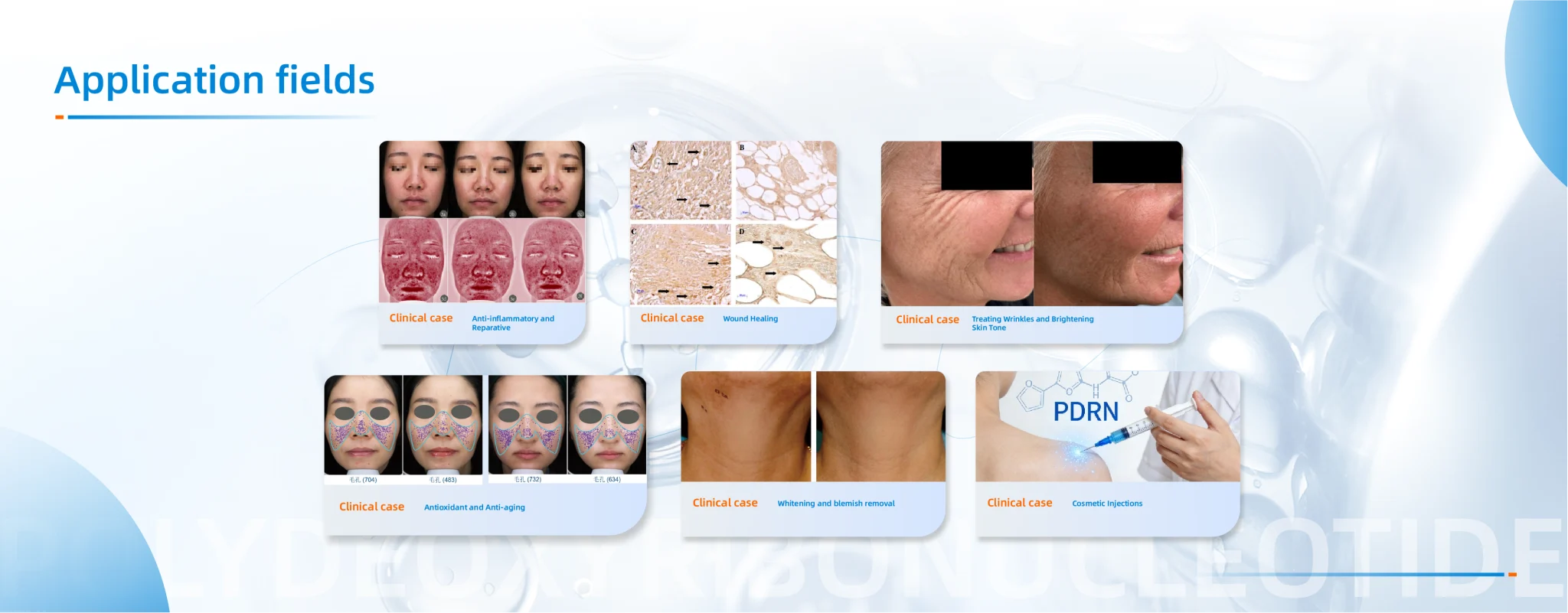
I.Promoting Tissue Repair and Regeneration
●PDRN is a DNA fragment composed of nucleotide polymers, derived from refined salmon extract.
●It accelerates tissue repair by stimulating the secretion of EGF (Epidermal Growth Factor), FGF (Fibroblast Growth Factor), VEGF (Vascular Endothelial Growth Factor), and angiopoietin.
●It is used in the repair of wounds, burns, ulcers, and skin damage.
II.Anti-inflammatory effects
●PDRN can activate A₂A adenosine receptors.
●It inhibits the release of inflammatory factors (such as TNF-α and IL-6).
●It reduces local inflammation, tissue damage, and swelling.
III. Promoting Angiogenesis
●Increases VEGF (vascular endothelial growth factor) expression
●Promotes microvascular formation and improves blood flow
●Particularly effective for chronic wounds and ischemic tissue repair
IV.Antioxidant Protection
●Indirectly reduces oxidative stress-induced cell damage
●Improves tissue tolerance and enhances repair capabilities
V.Skin Rejuvenation and Anti-Aging
●Stimulates collagen and elastin production
●Improves skin elasticity, radiance, and repairs scars
●Commonly used in injectable aesthetics, facial repair, and post-laser or phototherapy recovery
Polydeoxyribonucleotide Usage Format
Skin Beauty / Anti-aging: Added to creams, serums, and masks; facial injections; post-operative repair serums or gels
Anti-inflammatory and Antioxidant: Injected or combined with hydrogels for local tissue protection
Angiogenesis / Microcirculation Improvement: Injected or applied as a topical dressing
Supply and Services
●MOQ: 1kg
●Packaging Options:
○1kg/bag/carton
○25kg/drum/carton
○Custom packaging and sterile-grade options upon request
●Lead Time: 5-7 working days for in-stock products
●OEM/ODM: Formulation guidance, white-label services available
●Shipping: Worldwide via express, air, or sea
●After-Sales Service: Technical support, reordering, and regulatory assistance

Why Choose Us?
Private Label
20+ Years OEM/ODM
Quality Guarantee
24/7 After-Sales Support
Professional Design
Flexible MOQ Options

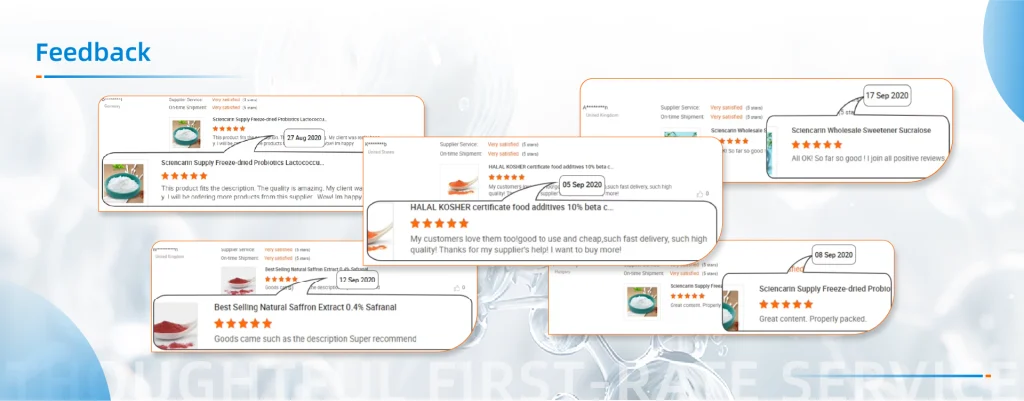
Customer Feedback
FAQ About The Polydeoxyribonucleotide
1. Source & Purity
Q: What is the exact source of your PDRN?
A: Our PDRN is extracted from the DNA of wild-caught Salmon (Oncorhynchus keta) sperm cells. This source is chosen for its high bio-compatibility with human DNA (over 95% similarity), ensuring maximum efficacy and minimal risk of immune rejection.
Q: What is the purity level of your PDRN powder?
A: We offer pharmaceutical-grade PDRN with a purity of ≥98%. It is free from residual proteins, lipids, and other cellular impurities, which is critical for preventing inflammatory responses in high-end cosmetic or medical applications.
2. Molecular Weight & Efficacy
Q: What is the molecular weight distribution of your PDRN?
A: Our standard PDRN is optimized with a molecular weight ranging between 50 to 1,500 kDa. This specific range is proven to be the most effective for stimulating adenosine A2A receptors, which triggers tissue regeneration and anti-inflammatory pathways.
Q: How does PDRN differ from ordinary DNA or Sodium DNA?
A: Unlike bulk Sodium DNA, PDRN is a standardized fragment of deoxyribonucleotides. It is specifically processed to maintain high bio-activity, focusing on its role as a cell-signaling molecule that promotes fibroblast proliferation and collagen synthesis.
3. Stability & Formulation
Q: Is your PDRN stable under high temperatures during manufacturing?
A: PDRN is relatively thermostable; however, to maintain its full bio-activity, we recommend adding it during the cooling phase (below 40°C) of your formulation. It is highly soluble in water and saline solutions.
Q: Can this be used in both injectable and topical applications?
A: We provide different grades. Our Medical Grade is suitable for sterile applications, while our Cosmetic Grade is optimized for topical serums, creams, and meso-cocktails. Both grades ensure excellent skin permeability and regenerative performance.
4. Quality Control & Safety
Q: Do you test for heavy metals and viral inactivation?
A: Yes. Every batch undergoes strict viral inactivation and sterilization processes. We provide a comprehensive COA (Certificate of Analysis) including tests for heavy metals, microbial limits, and DNA purity verified by UV-Vis spectrophotometry or HPLC.
Q: What documents can you provide for international regulatory filing?
A: We support our global clients with a complete technical dossier, including MSDS, Technical Data Sheets (TDS), Production Flowcharts, and stability test data. We are experienced in providing the necessary documentation for customs clearance in the UK, EU, and North American markets.
contact us
Related popular products
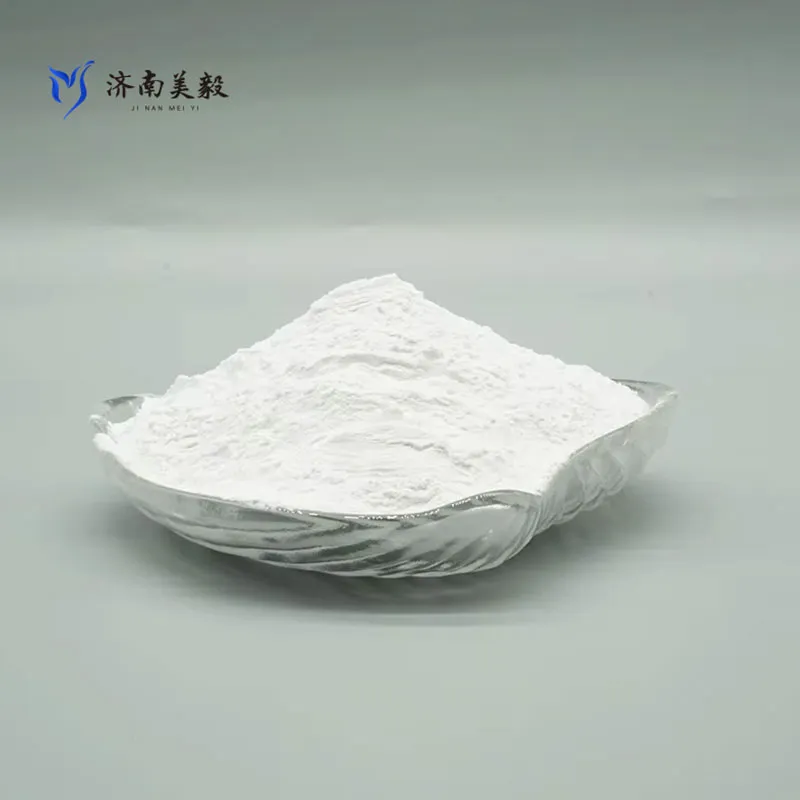
Daily-use 45S5 Bioactive Glass
45S5 Bioactive Glass is a clinically proven bioactive material known for excellent bone regeneration, osteoconductivity, and biocompatibility. It stimulates hydroxyapatite formation and is widely used in bone repair, dental, and medical applications.
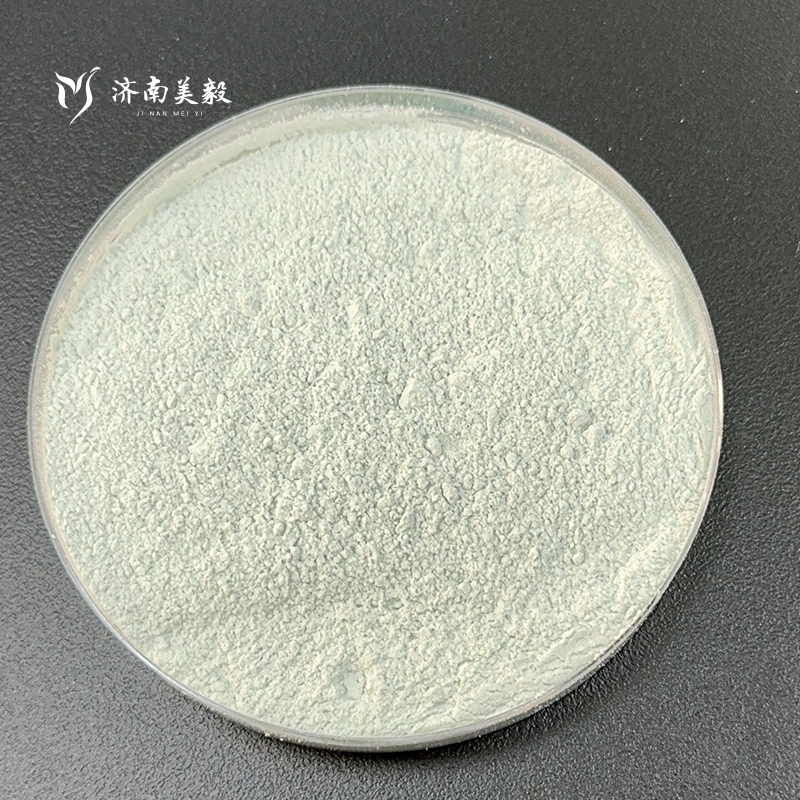
Daily-use Recombinant Human Superoxide Dismutase
Recombinant Human Superoxide Dismutase with enzyme activity ≥10000 U/mg, purity ≥95%, stable dimer structure and molecular weight of 32 kDa.
Daily-use Hydroxyapatite
Bone repair materials, injectable bone fillers, bioactive coatings for metal implants, hemostatic material 3D-printed scaffolds, antibacterial metal-loaded composite scaffolds, tooth desensitizers, dental composite resin fillers, dental implant coatings, tooth root implantation, dental defect filling, drug and gene delivery carriers, maxillofacial surgical repair membranes, wound dressings
Medical 45S5 Bioactive Glass
Medical 45S5 Bioactive Glass is a clinically proven bioactive material known for excellent bone regeneration, osteoconductivity, and biocompatibility. It stimulates hydroxyapatite formation and is widely used in bone repair, dental, and medical applications.

Soothing Facial Mask
This soothing sheet mask features patented sodium hyaluronate, panthenol, hydroxyapatite, and fermented botanical extracts to help hydrate, calm, and support the skin barrier. Designed for sensitive skin, it delivers comfortable care with a soft, skin-friendly microfiber sheet.
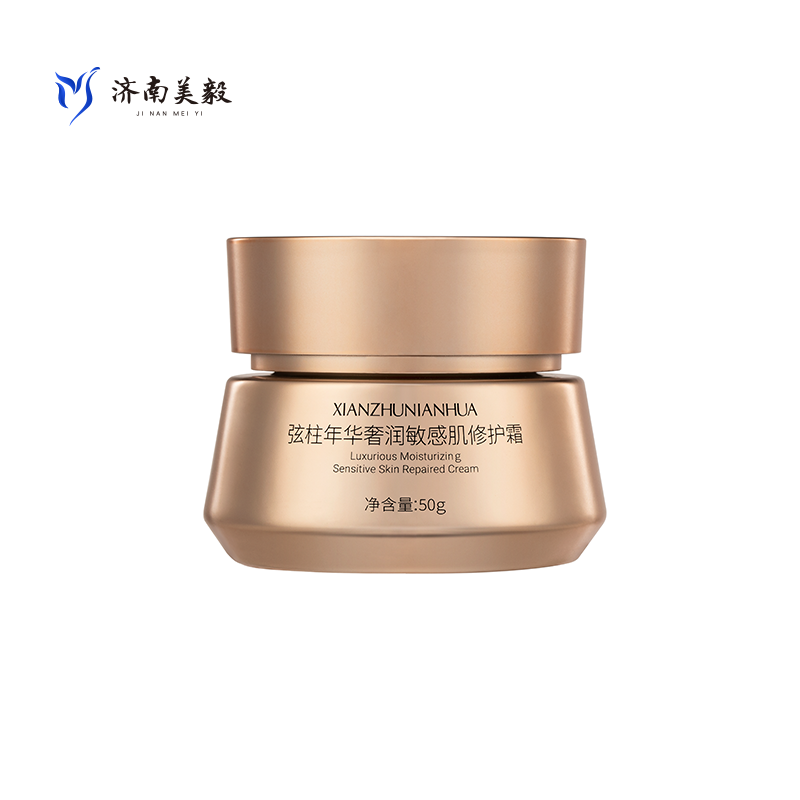
Reparied Cream
This face cream is formulated with salmon-derived PDRN, combined with SOD, niacinamide, squalane, pro-xylane, panthenol, and peptides. It helps maintain skin hydration, comfort, and a healthy-looking appearance while supporting the skin’s natural barrier. The lightweight texture absorbs easily without greasiness, making it suitable for daily use. Free from alcohol, hormones, and heavy metals, it is designed for regular skincare routines and can also be applied as a mask for extra nourishment.
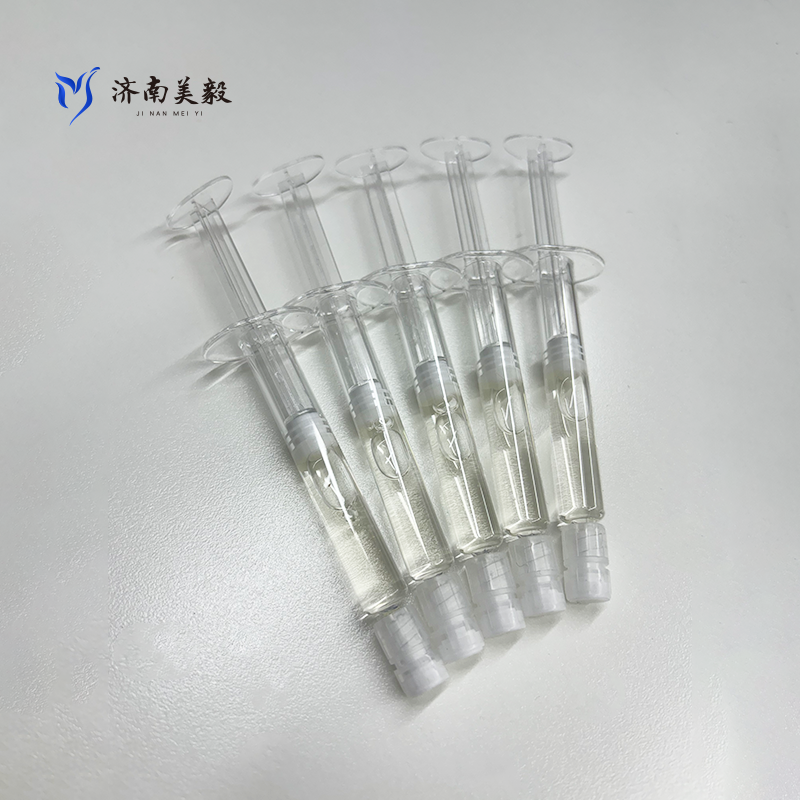
HairG Hair Serum
HairG Hair Growth Serum features PDRN and targeted hair-growth peptides to support scalp balance and hair vitality. It helps soothe and nourish the scalp, improve the scalp environment, strengthen the scalp barrier, and support healthier, thicker-looking hair. The minimalist, additive-free formula contains no hormones, preservatives, or harsh ingredients, making it gentle and suitable for sensitive scalps.
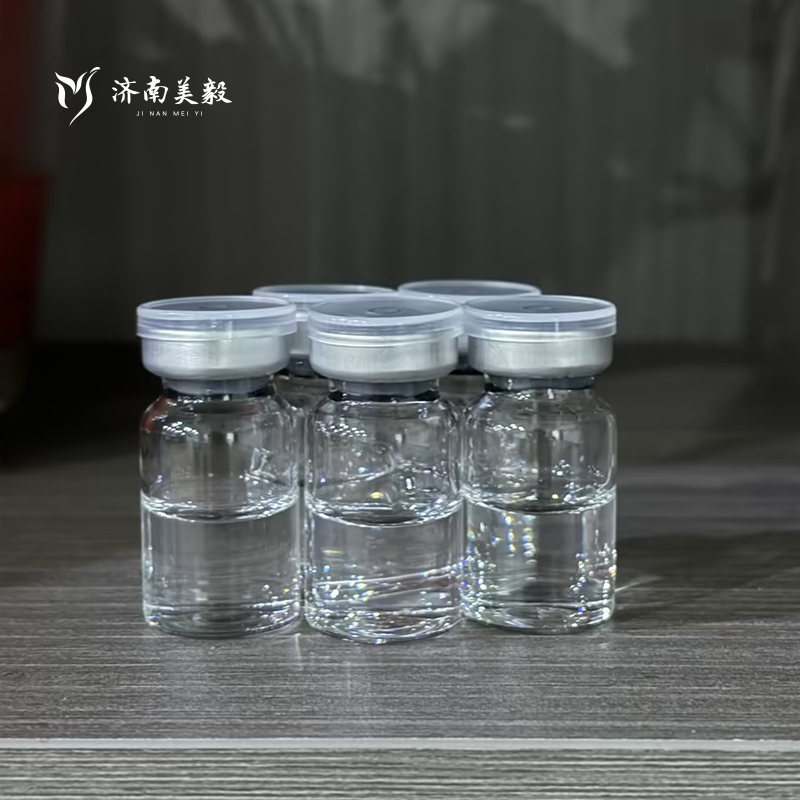
Liquid Dressing
Medical-grade recombinant collagen and hyaluronic acid blend designed for advanced tissue repair and skin regeneration. Enhances hydration, supports wound healing, and improves skin elasticity. Ideal for medical, aesthetic, and biomedical applications.
High Quality Hyaluronic Acid
High-purity hyaluronic acid (sodium hyaluronate) powder designed for cosmetic and skincare formulations. Provides excellent moisture retention, improves skin hydration, and enhances product performance. Ideal for serums, creams, masks, and professional skincare products. Bulk supply and OEM packaging available for global manufacturers.
(SOD-bio-2k) Medical Superoxide Dismutase
Recombinant Human Superoxide Dismutase with enzyme activity ≥10000 U/mg, purity ≥95%, stable dimer structure and molecular weight of 32 kDa.
(DK Type)Medical Microsphere Hydroxyapatite
Dental desensitizers, hemostatic materials, wound dressing materials Rapid-effect superficial subcutaneous injection Rapid-effect medical aesthetic filler (deep subcutaneous and supraperiosteal injection)
(HD Type) Medical Microsphere Hydroxyapatite
Local drug/active ingredient sustained-release carriers, drug-loaded coatings Drug-loaded sustained-release carriers Active-guided bone regeneration microspheres, balanced tissue-integration medical aesthetic fillers, hemostatic microspheres
Medical Nano Hydroxyapatite
Bone repair materials, injectable bone fillers, bioactive coatings for metal implants, hemostatic material 3D-printed scaffolds, antibacterial metal-loaded composite scaffolds, tooth desensitizers, dental composite resin fillers, dental implant coatings, tooth root implantation, dental defect filling, drug and gene delivery carriers, maxillofacial surgical repair membranes, wound dressings
(SOD-1W) Medical Superoxide Dismutase
Recombinant Human Superoxide Dismutase with enzyme activity ≥10000 U/mg, purity ≥95%, stable dimer structure and molecular weight of 32 kDa.
(SOD-bio-5k) Medical Superoxide Dismutase
Recombinant Human Superoxide Dismutase with enzyme activity ≥10000 U/mg, purity ≥95%, stable dimer structure and molecular weight of 32 kDa.
(SDK Type)Medical Microsphere Hydroxyapatite
Bioactive coating for implant surfaces, bone repair materials Long-lasting superficial subcutaneous injection Long-lasting regenerative medical aesthetic filler (deep subcutaneous and supraperiosteal injection)



Please leave us a message.