

Hydroxyapatite in Powder: High Purity Supplier & Price
2026-09-15
- What Is Hydroxyapatite Powder? Chemical Structure and Properties
- Manufacturing Processes: How High-Purity HAp Powder Is Produced
- Primary Applications of Hydroxyapatite Powder
- How to Choose the Right Hydroxyapatite Powder Supplier
- Price Factors and Market Trends for Hydroxyapatite Powder
- Handling, Storage, and Safety Guidelines
- Common Mistakes in Selecting and Using HAp Powder
- Frequently Asked Questions (FAQ)
- Conclusion: Securing High-Quality Hydroxyapatite for Your Projects
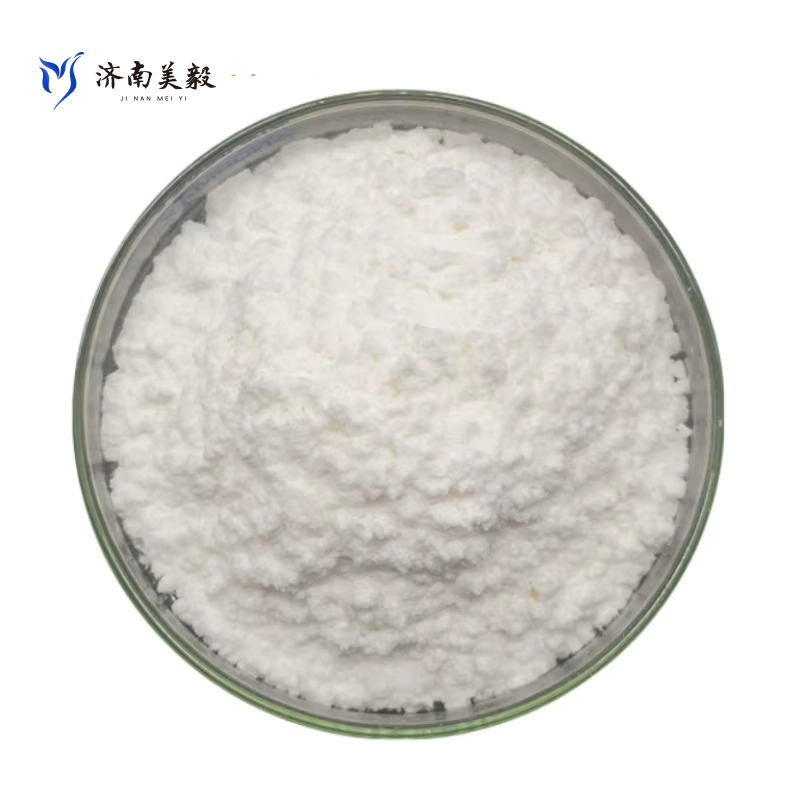
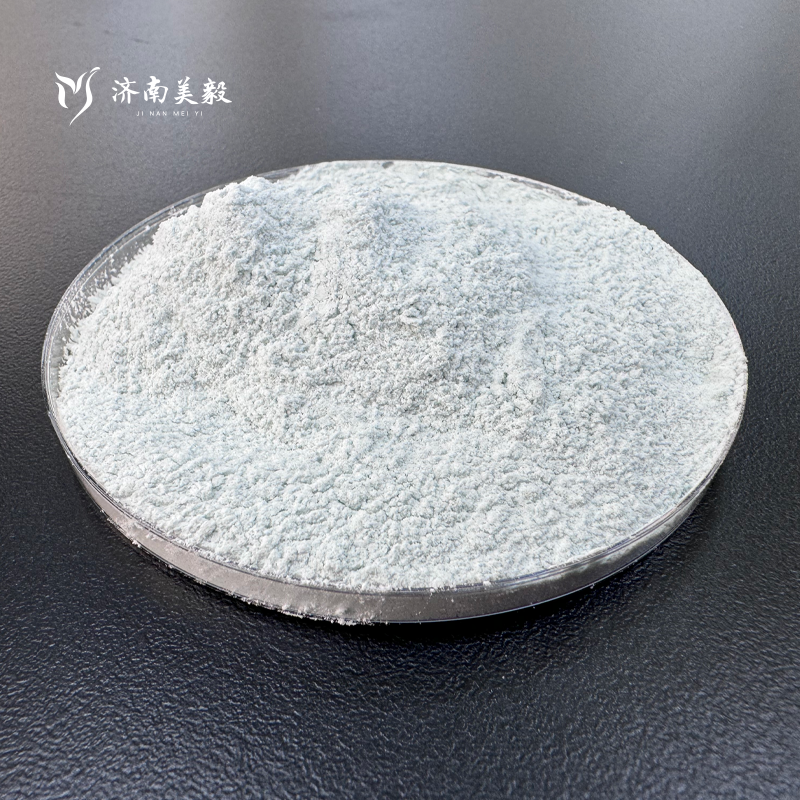
Hydroxyapatite in powder form is a high-purity calcium phosphate ceramic widely utilized in biomedical implants, dental restoration, and advanced chromatography. Characterized by its chemical formula Ca10(PO4)6(OH)2, this material exhibits exceptional biocompatibility and osteoconductivity. For industrial and research procurement, key selection criteria include particle size distribution (typically 0.5–100 µm), crystallinity levels, and stoichiometric Ca/P ratios (ideal 1.67). Sourcing from a verified high-purity supplier ensures consistent batch quality, essential for regulatory compliance in medical device manufacturing and precision in laboratory applications.
What Is Hydroxyapatite Powder? Chemical Structure and Properties
Hydroxyapatite (HAp) is the primary mineral component of human bone and tooth enamel. In its synthetic hydroxyapatite in powder form, it replicates the inorganic matrix of natural hard tissues. This structural similarity is the foundation of its widespread adoption in regenerative medicine and bio-engineering.
Chemical Composition and Stoichiometry
The theoretical calcium-to-phosphorus (Ca/P) molar ratio of pure hydroxyapatite is 1.67. Deviations from this ratio often indicate the presence of other calcium phosphate phases, such as tricalcium phosphate (TCP) or tetracalcium phosphate (TTCP). High-quality suppliers strictly control this ratio through precise wet chemical synthesis or solid-state reaction methods.
- Calcium Source: Typically derived from calcium nitrate or calcium hydroxide.
- Phosphorus Source: Usually ammonium phosphate or phosphoric acid.
- Crystallinity: Determines the dissolution rate. Low crystallinity powders dissolve faster, benefiting rapid bone integration, while high crystallinity offers superior mechanical stability for long-term implants.
Key Physical Properties for Industrial Use
When evaluating hydroxyapatite in powder for specific applications, several physical parameters dictate performance. These properties are not merely academic; they directly influence processing behavior, sintering outcomes, and biological response.
| Property | Typical Range/Value | Impact on Application |
|---|---|---|
| Particle Size (D50) | 0.5 µm – 100 µm | Smaller particles increase surface area for protein adsorption; larger particles improve flowability for pressing. |
| Specific Surface Area (BET) | 20 – 80 m²/g | Higher surface area enhances bioactivity but may complicate dispersion in polymer matrices. |
| Crystallinity Degree | 40% – 98% | High crystallinity provides structural integrity; low crystallinity mimics natural bone mineral more closely. |
| Purity Level | > 99.5% | Critical for avoiding immune responses and ensuring predictable degradation rates. |
Manufacturing Processes: How High-Purity HAp Powder Is Produced
The method of synthesis significantly affects the morphology, purity, and cost of hydroxyapatite in powder. Understanding these processes helps buyers align product specifications with their budget and technical requirements.
Wet Chemical Precipitation
This is the most common industrial method for producing nano-sized and sub-micron HAp powders. It involves mixing calcium and phosphate precursors in an aqueous solution under controlled pH and temperature conditions.
- Advantages: Excellent control over stoichiometry, ability to dope with ions (e.g., Strontium, Magnesium), and relatively low equipment cost.
- Challenges: Requires rigorous washing to remove residual nitrates or ammonium ions. Agglomeration can occur during drying, necessitating milling.
Solid-State Reaction
This method involves heating mixtures of calcium carbonate and calcium phosphate at high temperatures (above 1000°C). It is typically used for producing coarse, highly crystalline powders.
- Advantages: Simple process, no solvent waste, high crystallinity.
- Challenges: Limited control over particle size, potential for heterogeneous phase distribution if mixing is insufficient.
Sol-Gel Synthesis
A sophisticated approach yielding ultra-high purity and homogeneity. Precursors form a gel network which is then dried and calcined.
- Advantages: Molecular-level mixing, very high purity, suitable for specialized biomedical coatings.
- Challenges: Higher cost, longer processing time, use of organic solvents.
Primary Applications of Hydroxyapatite Powder
The versatility of hydroxyapatite in powder allows it to serve diverse sectors, from life-saving medical implants to high-precision analytical chemistry. Each application demands specific powder characteristics.
1. Biomedical Implants and Bone Grafts
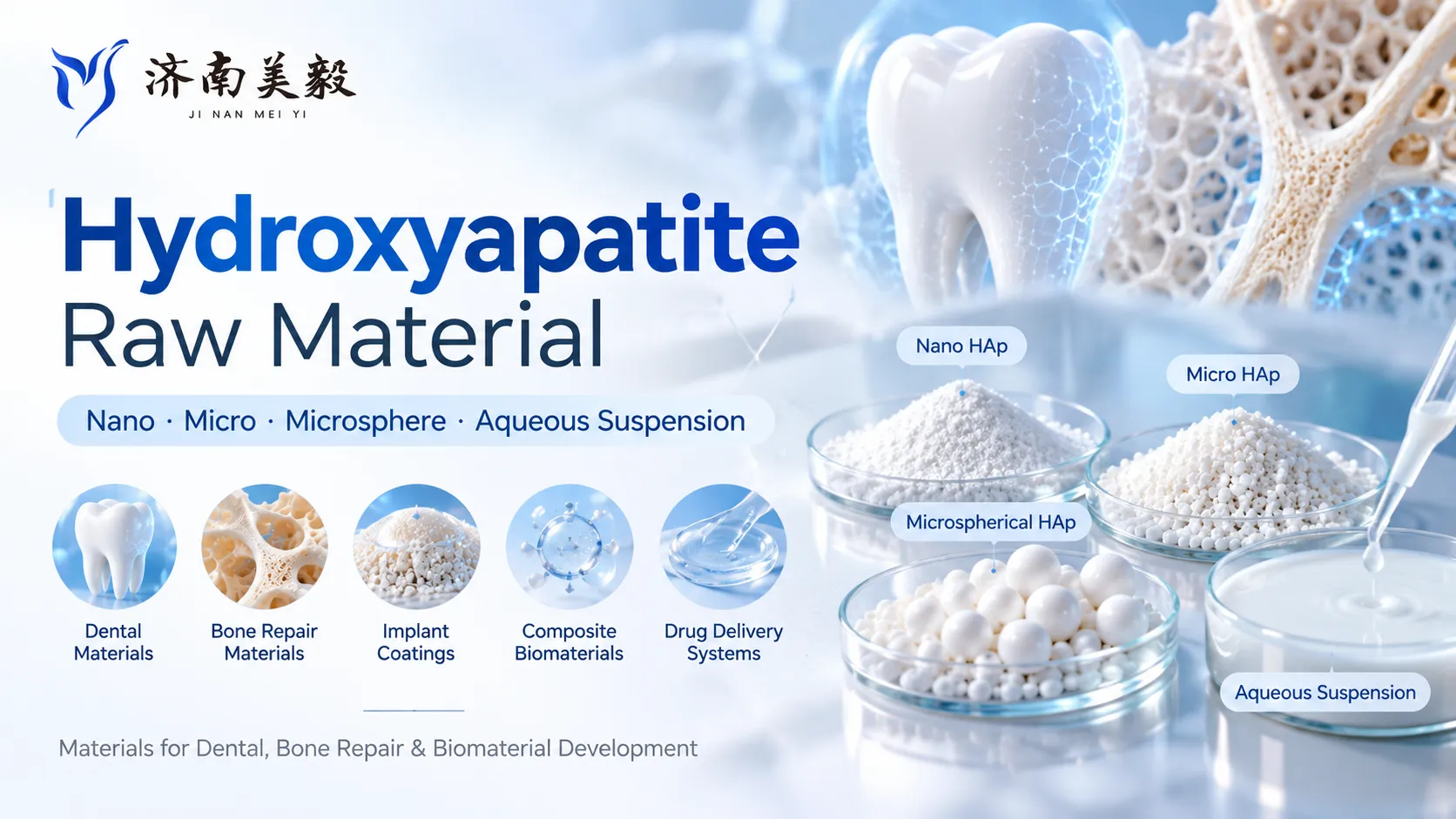
In orthopedics and dentistry, HAp powder is rarely used alone due to its brittleness. Instead, it is integrated into composite materials or used as a coating.
- Bone Fillers: Mixed with polymers like collagen or PLGA to create scaffolds that support new bone growth.
- Metal Implant Coatings: Plasma-sprayed onto titanium hips and knees to encourage osseointegration, reducing the risk of implant loosening.
- Dental Restoratives: Used in remineralizing toothpaste and desensitizing agents due to its affinity for enamel.
2. Chromatography and Protein Purification
Hydroxyapatite chromatography is a powerful technique for separating biomolecules, particularly antibodies and nucleic acids. The powder acts as a mixed-mode resin, interacting with both positive and negative charges on proteins.
- Mechanism: Binds to carboxyl groups and calcium-binding sites on proteins.
- Benefit: Effective removal of aggregates and host cell proteins in downstream bioprocessing.
- Requirement: Requires highly uniform particle size and strict pore size control to ensure consistent flow dynamics and resolution.
3. Water Filtration and Environmental Remediation
HAp powder has a high adsorption capacity for heavy metals and anions.
- Heavy Metal Removal: Efficiently captures lead, cadmium, and zinc from wastewater through ion exchange mechanisms.
- Fluoride Removal: Used in defluoridation filters for drinking water, leveraging its ability to exchange hydroxyl groups with fluoride ions.
4. Cosmetic and Personal Care Ingredients
Due to its biocompatibility and mild abrasive properties, micronized HAp powder is increasingly popular in premium skincare.
- Skin Barrier Repair: Provides calcium ions that support keratinocyte differentiation.
- Gentle Exfoliation: Offers physical exfoliation without the micro-tears associated with sharper abrasives like walnut shells.
How to Choose the Right Hydroxyapatite Powder Supplier
Selecting a reliable source for hydroxyapatite in powder is critical for product consistency and regulatory compliance. In 2026, supply chain transparency and technical support are as important as price.
Key Evaluation Criteria
- Certification and Compliance: Ensure the supplier holds ISO 13485 certification for medical-grade materials. For research grades, check for CoA (Certificate of Analysis) availability with every batch.
- Batch Consistency: Request data on batch-to-batch variation in particle size and Ca/P ratio. High variability can ruin production runs in sensitive applications like chromatography.
- Customization Capability: Can the supplier tailor particle size distributions or provide ion-doped variants (e.g., Fluorine-doped HAp for enhanced stability)?
- Technical Support: A strong supplier provides application notes, handling guidelines, and troubleshooting assistance, not just raw material.
The Role of Specialized Distributors: Jinan Meiyi Biotechnology
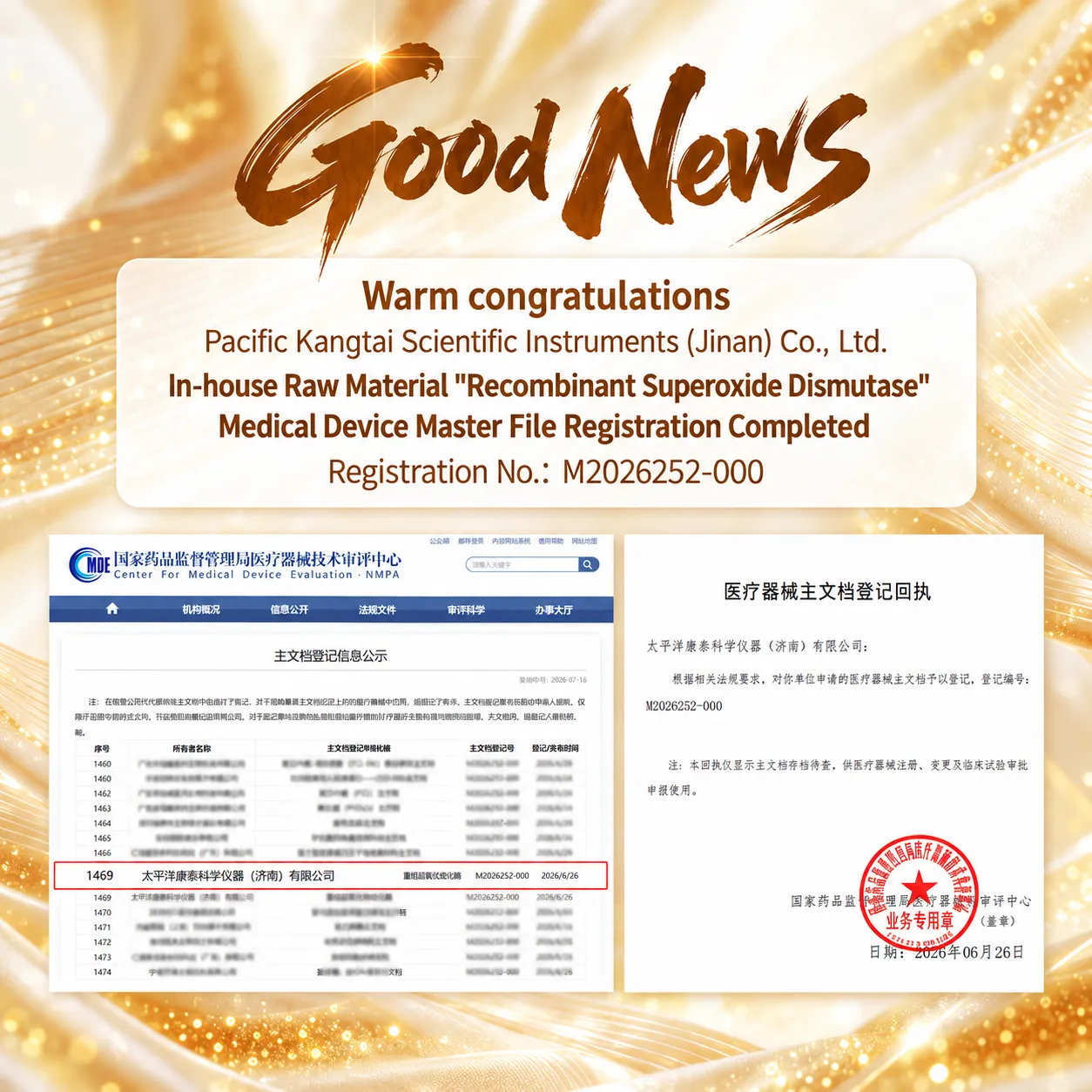
Navigating the complex landscape of bioactive material sourcing often requires more than just finding a manufacturer; it requires a partner who understands the intersection of scientific rigor and market responsiveness. Jinan Meiyi Biotechnology Co., Ltd., headquartered in Jinan, Shandong Province, serves as a prime example of such a strategic partner. As a subsidiary of Pacific Kangtai Scientific Instruments (Jinan) Co., Ltd., the company specializes in the research, development support, and commercialization of bioactive technologies, with a particular focus on the cosmetics and medical aesthetics industries.
Unlike traditional manufacturers, Jinan Meiyi Biotechnology operates as a high-integrity distribution and quality assurance hub. The company does not engage in direct manufacturing but instead leverages a globally vetted supply chain to source premium raw materials from internationally recognized producers. This model allows them to offer clients access to technically advanced, regulatory-compliant materials—such as high-purity hydroxyapatite—without the overhead of maintaining production facilities. Their rigorous curation methodology ensures that every batch meets strict efficacy, stability, and compatibility standards, supported by comprehensive technical dossiers including Certificates of Analysis (CoA) and safety data sheets.
For R&D laboratories, CDMOs, and aesthetic clinics across Asia, Europe, and North America, Jinan Meiyi Biotechnology provides more than just products; they offer a partnership rooted in technical consultation and regulatory intelligence. By bridging the gap between upstream innovation and downstream application, they help clients reduce sourcing complexity while maintaining full confidence in material consistency—a crucial factor when working with sensitive bioactive ingredients like hydroxyapatite.
Red Flags to Avoid
- Lack of detailed characterization data (XRD, FTIR, SEM images).
- Inability to trace raw material sources.
- Vague answers regarding endotoxin levels for biomedical grades.
- No clear protocol for packaging and moisture control during shipping.
Price Factors and Market Trends for Hydroxyapatite Powder
The cost of hydroxyapatite in powder varies significantly based on purity, particle size, and intended use. Understanding these drivers helps in budgeting and negotiation.
Cost Drivers
| Factor | Impact on Price | Explanation |
|---|---|---|
| Purity Grade | High Impact | Medical grade (>99.9% purity, low endotoxin) commands a premium over industrial grade due to stringent cleaning and testing protocols. |
| Particle Size | Medium Impact | Nano-sized powders require energy-intensive milling and stabilization processes, increasing costs compared to micron-sized equivalents. |
| Volume | High Impact | Bulk purchases (kg to ton scale) significantly reduce unit price compared to gram-scale research quantities. |
| Customization | Variable | Doped HAp or specific morphology controls add R&D and processing costs. |
Market Outlook 2026
The global demand for hydroxyapatite is driven by an aging population requiring orthopedic interventions and the expansion of biopharmaceutical purification capacities. Suppliers are increasingly focusing on sustainable production methods to reduce environmental impact, which may influence future pricing structures. Buyers should expect stable prices for standard grades but potential fluctuations for high-specialty biomedical powders due to regulatory tightening.
Handling, Storage, and Safety Guidelines
Proper handling of hydroxyapatite in powder ensures material integrity and operator safety. While generally considered non-toxic, fine powders present inhalation risks.
Storage Conditions
- Moisture Control: HAp is hygroscopic. Store in airtight containers with desiccants to prevent clumping and phase changes.
- Temperature: Keep in a cool, dry place. Extreme temperatures are generally not required unless specified for specialized formulations.
- Contamination Prevention: Use dedicated scoops and avoid cross-contamination with other chemicals, especially acids which can dissolve the powder.
Safety Precautions
- Inhalation: Use NIOSH-approved respirators when handling fine powders to avoid respiratory irritation.
- Eye Contact: Wear safety goggles. Dust can cause mechanical irritation.
- Disposal: Follow local regulations for chemical waste. While non-hazardous, large quantities should not be released into water systems without assessment.
Common Mistakes in Selecting and Using HAp Powder
Even experienced engineers can encounter issues when integrating hydroxyapatite in powder into new processes. Avoiding these common pitfalls saves time and resources.
1. Ignoring Particle Agglomeration
Nano-HAp tends to agglomerate strongly. Simply adding it to a polymer matrix without surface modification or high-shear mixing results in poor dispersion and weak mechanical properties. Solution: Use surfactants or silane coupling agents to improve compatibility.
2. Mismatched Crystallinity
Using high-crystallinity HAp for a drug delivery system intended for rapid release will fail because the dense structure dissolves too slowly. Conversely, using low-crystallinity HAp for a load-bearing implant coating may lead to premature degradation. Solution: Match crystallinity to the desired degradation profile.
3. Overlooking pH Sensitivity
HAp is stable at neutral to basic pH but dissolves rapidly in acidic environments. Processing steps involving acidic catalysts or solvents can degrade the powder before final formation. Solution: Monitor pH throughout the fabrication process.
Frequently Asked Questions (FAQ)
What is the difference between hydroxyapatite and tricalcium phosphate?
While both are calcium phosphates, hydroxyapatite (HAp) is more stable and dissolves slower than beta-tricalcium phosphate (β-TCP). HAp is primarily osteoconductive (supports bone growth on its surface), whereas β-TCP is osteoinductive and resorbable, often used where bone replacement is needed over time. Many modern grafts use biphasic calcium phosphate (BCP), a mix of both, to balance stability and resorption.
Is hydroxyapatite powder safe for cosmetic use?
Yes, synthetic hydroxyapatite is considered safe for use in cosmetics. It is non-irritating and biocompatible. In toothpaste, it helps repair early enamel lesions by depositing mineral layers. Always ensure the supplier provides cosmetic-grade certification confirming low heavy metal content.
How does particle size affect chromatography performance?
In chromatography, smaller particle sizes (e.g., 2-5 µm) provide higher resolution due to increased surface area and shorter diffusion paths. However, they also increase backpressure. Larger particles (20-50 µm) allow for higher flow rates but lower resolution. Selecting the right size depends on the specific separation challenge and equipment pressure limits.
Can hydroxyapatite powder be sterilized?
Yes, HAp powder can be sterilized using gamma irradiation or ethylene oxide gas. Autoclaving (steam sterilization) is generally not recommended for dry powder as it can introduce moisture and alter crystallinity or cause agglomeration. Always verify the sterilization method with your supplier to ensure it does not compromise material properties.
What is the shelf life of hydroxyapatite powder?
When stored correctly in a sealed, dry container, hydroxyapatite powder has a long shelf life, typically 2-3 years. Over time, exposure to atmospheric CO2 can lead to the formation of carbonated apatite on the surface, which may slightly alter reactivity. Regular quality checks are advised for older stock.
Conclusion: Securing High-Quality Hydroxyapatite for Your Projects
Choosing the right hydroxyapatite in powder is a strategic decision that impacts product efficacy, regulatory approval, and manufacturing efficiency. Whether you are developing next-generation bone scaffolds, optimizing protein purification workflows, or formulating advanced cosmetics, the purity and physical characteristics of the powder are paramount.
By prioritizing suppliers who offer transparent documentation, consistent batch quality, and technical expertise, you mitigate risk and accelerate time-to-market. Remember that the lowest price often comes with hidden costs in variability and support. Invest in a partnership that values precision and reliability.
For detailed specifications, custom synthesis options, or to request a sample for your specific application, contact our technical team today. We provide comprehensive solutions tailored to the rigorous demands of modern industry.
Explore our full range of Hydroxyapatite products and technical resources





Please leave us a message.