

Buy Hydroxyapatite Powder: Wholesale Price & Supplier
2026-09-15
- What Is Hydroxyapatite Powder? Technical Definition & Composition
- Why Buy Hydroxyapatite Powder? Key Applications by Industry
- Technical Specifications: What to Look for When You Buy Hydroxyapatite Powder
- How to Choose the Right Supplier to Buy Hydroxyapatite Powder
- About Jinan Meiyi Biotechnology: Your Strategic Sourcing Partner
- Wholesale Pricing Factors for Hydroxyapatite Powder
- Step-by-Step Guide: How to Process and Handle Hydroxyapatite Powder
- Common Mistakes When Sourcing Hydroxyapatite
- FAQ: Frequently Asked Questions About Buying Hydroxyapatite Powder
- Comparison: Hydroxyapatite vs. Other Biomaterials
- Future Trends in Hydroxyapatite Market (2026 Outlook)
- Conclusion: Secure Your Supply of Premium Hydroxyapatite Powder
Looking to buy hydroxyapatite powder for biomedical, dental, or industrial applications? Securing a reliable supply of high-purity hydroxyapatite (HAp) is critical for product performance and regulatory compliance. As a specialized provider of high-performance bioactive raw materials, we offer wholesale access to premium synthetic hydroxyapatite powder with customizable particle sizes, Ca/P ratios, and crystallinity levels. Our materials meet strict ISO and ASTM standards, ensuring consistency for bone grafts, toothpaste formulations, chromatography media, and coating technologies. This guide details technical specifications, quality verification methods, and procurement strategies to help you source premium HAp efficiently in 2026.
What Is Hydroxyapatite Powder? Technical Definition & Composition
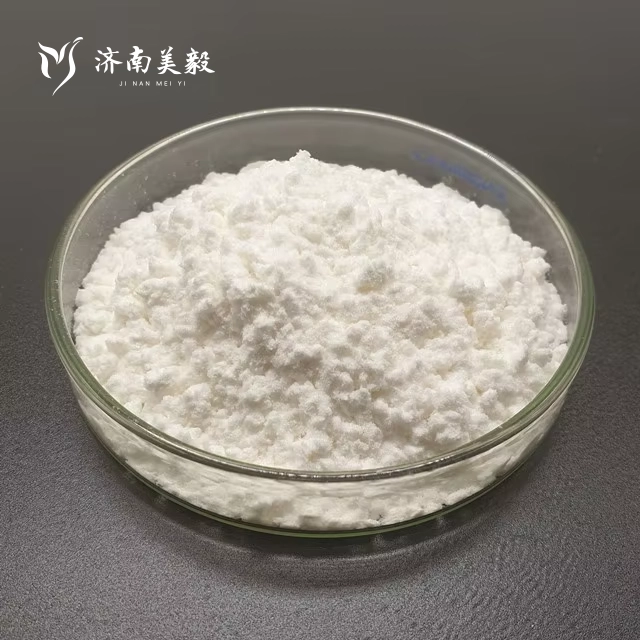
Hydroxyapatite (HAp) is a naturally occurring mineral form of calcium apatite with the formula Ca10(PO4)6(OH)2. It is the primary inorganic constituent of human bone and tooth enamel, comprising approximately 70% of bone weight and 90% of enamel. In industrial and medical contexts, synthetic hydroxyapatite powder is engineered to mimic this biological structure while offering enhanced purity and controlled physical properties.
When you buy hydroxyapatite powder, you are sourcing a bioceramic material known for its exceptional biocompatibility, bioactivity, and osteoconductivity. Unlike other calcium phosphates, HAp bonds directly with living bone tissue without forming fibrous tissue interfaces, making it the gold standard for hard tissue regeneration.
Chemical Structure and Stability
The crystal structure of hydroxyapatite belongs to the hexagonal crystal system. The stability and reactivity of the powder depend heavily on its stoichiometry. Ideal stoichiometric HAp has a Calcium-to-Phosphorus (Ca/P) molar ratio of 1.67. Deviations from this ratio result in calcium-deficient or calcium-rich phases, which alter dissolution rates and biological responses.
- Stoichiometric HAp: Ca/P ratio of 1.67. Highly stable, low solubility, ideal for long-term implants.
- Calcium-Deficient HAp: Ca/P ratio < 1.67. Higher solubility, often used in resorbable bone cements.
- Ion-Substituted HAp: Contains trace elements like Strontium, Magnesium, or Zinc to enhance specific biological functions such as antibacterial activity or osteogenesis.
Understanding these chemical nuances is essential when selecting a supplier. High-quality manufacturers provide detailed X-ray Diffraction (XRD) and Fourier Transform Infrared Spectroscopy (FTIR) data to verify phase purity and structural integrity.
Why Buy Hydroxyapatite Powder? Key Applications by Industry
The demand to buy hydroxyapatite powder spans multiple high-value sectors. Its unique combination of mechanical strength and biological affinity drives innovation in healthcare, personal care, and environmental engineering. Below are the primary application domains where HAp powder is indispensable.
1. Biomedical and Orthopedic Implants
In orthopedics and dentistry, hydroxyapatite is used to coat metallic implants (such as titanium alloys) or as a standalone scaffold for bone regeneration. The powder is processed into porous structures that allow vascularization and bone ingrowth.
- Bone Graft Substitutes: HAp powder is mixed with polymers or other ceramics to create putties and blocks for filling bone defects.
- Dental Implants: Coatings enhance osseointegration, reducing healing time and improving implant stability.
- Maxillofacial Reconstruction: Customizable porosity allows for precise matching of native bone density.
2. Dental Care and Toothpaste Formulations
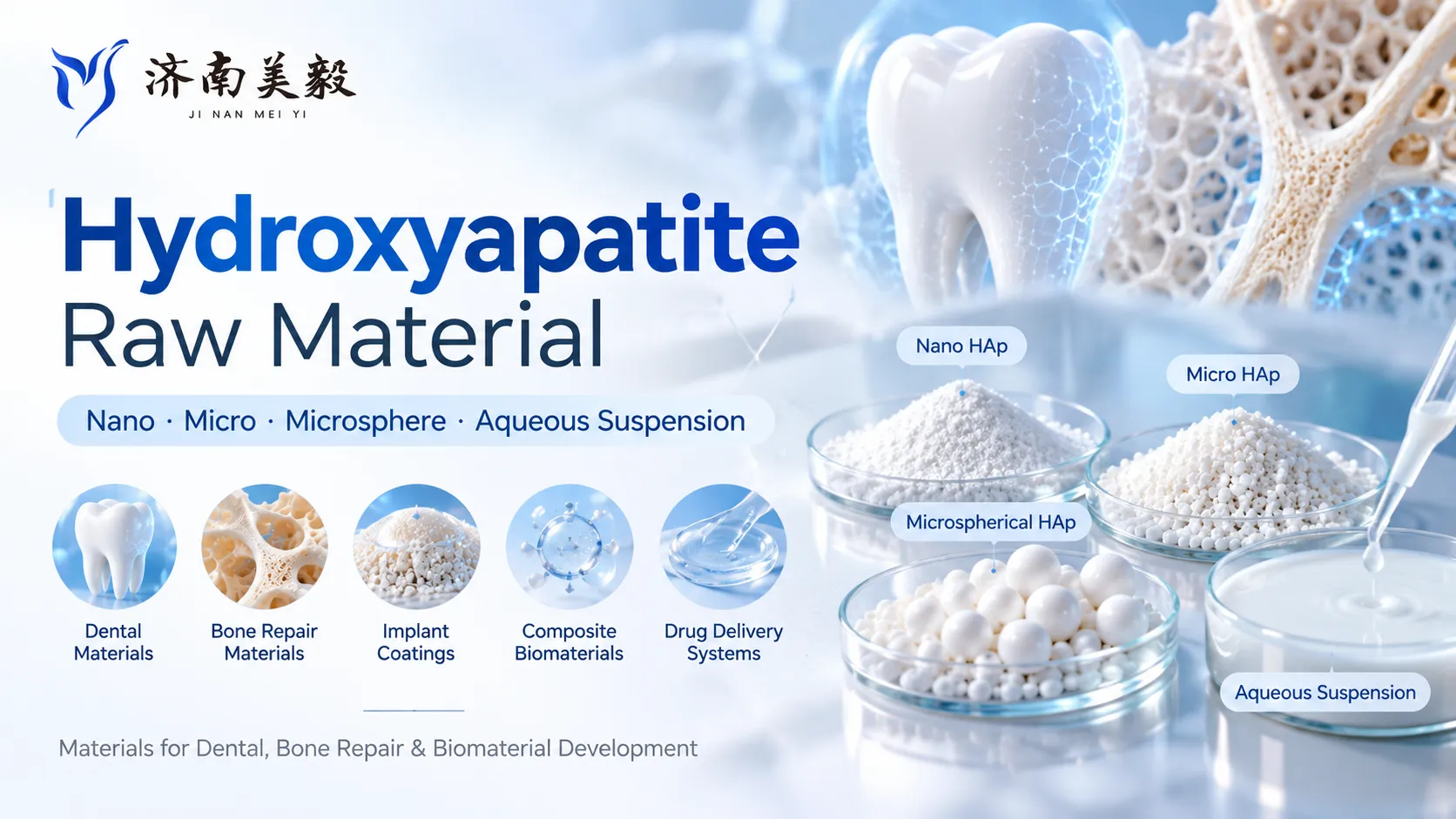
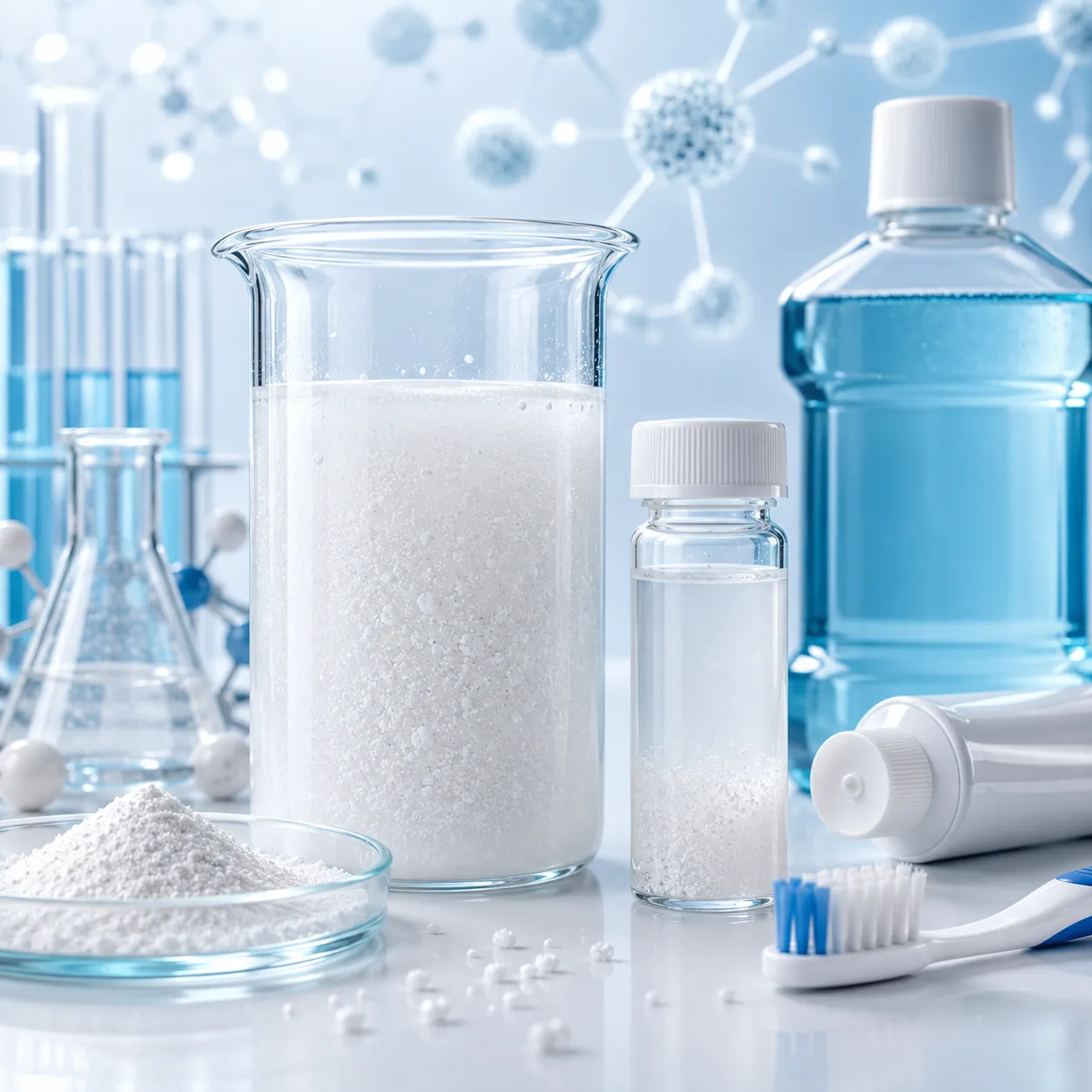
Nano-hydroxyapatite (n-HAp) has emerged as a superior alternative to fluoride in remineralizing tooth enamel. When you buy hydroxyapatite powder for cosmetic use, particle size is the critical factor. Particles under 100 nanometers can penetrate micro-cracks in enamel, restoring structural integrity and reducing sensitivity.
Major dental brands now prioritize HAp due to its non-toxic profile and ability to neutralize acidic environments in the mouth. It acts as a reservoir for calcium and phosphate ions, promoting natural remineralization processes.
3. Chromatography and Protein Purification
In biotechnology, hydroxyapatite chromatography is a powerful tool for separating biomolecules. HAp resin binds proteins, nucleic acids, and viruses based on surface charge and calcium affinity. This application requires highly spherical, uniform particles with strict size distribution to ensure consistent flow dynamics and resolution.
- DNA/RNA Purification: Selective binding of nucleic acids.
- Virus Clearance: Effective removal of viral contaminants in pharmaceutical manufacturing.
- Protein Separation: High capacity for monoclonal antibodies and enzymes.
4. Environmental Remediation and Water Treatment
Hydroxyapatite exhibits strong adsorption capabilities for heavy metals and radionuclides. Its surface chemistry allows for ion exchange, trapping contaminants like lead, cadmium, and uranium from wastewater. Industrial buyers often source lower-cost, high-surface-area HAp powder for filtration systems and soil remediation projects.
Technical Specifications: What to Look for When You Buy Hydroxyapatite Powder
Not all hydroxyapatite powders are created equal. The manufacturing process—whether wet chemical precipitation, sol-gel, or hydrothermal synthesis—dictates the final material properties. To ensure you meet your application requirements, evaluate suppliers based on the following technical parameters.
Particle Size and Morphology
Particle size determines the surface area, reactivity, and processing behavior of the powder.
| Parameter | Micro-HAp | Nano-HAp | Application Impact |
|---|---|---|---|
| Size Range | 1 – 100 µm | 20 – 100 nm | Determines surface area and reactivity. |
| Surface Area | Low (10-50 m²/g) | High (50-100+ m²/g) | Higher area improves adsorption and biological interaction. |
| Morphology | Irregular, Rod-like | Spherical, Needle-like | Affects packing density and flowability. |
| Primary Use | Bone grafts, Coatings | Toothpaste, Drug Delivery | Nano penetrates tissues; Micro provides structural bulk. |
Crystallinity and Phase Purity
Crystallinity refers to the degree of structural order in the solid. High crystallinity implies greater thermal stability and lower solubility, which is preferred for permanent implants. Low crystallinity (amorphous phases) dissolves faster, benefiting resorbable applications.
Phase Purity: Ensure the powder is free from secondary phases like Tricalcium Phosphate (TCP) or Calcium Oxide (CaO), unless specifically required. Impurities can cause unpredictable degradation rates or inflammatory responses in biological settings.
Calcium-to-Phosphorus (Ca/P) Ratio
The theoretical Ca/P ratio for pure hydroxyapatite is 1.67. However, slight variations are common. Suppliers should provide Inductively Coupled Plasma (ICP) analysis reports. A deviation beyond ±0.05 may indicate the presence of other calcium phosphate phases, affecting the material’s performance.
Purity and Trace Metals
For biomedical and dental use, heavy metal content (Lead, Arsenic, Mercury) must be below detectable limits per ISO 13785 or USP guidelines. High-purity synthesis routes minimize these risks. Always request a Certificate of Analysis (CoA) that details trace element concentrations.
How to Choose the Right Supplier to Buy Hydroxyapatite Powder
Selecting a partner to buy hydroxyapatite powder from involves more than comparing prices. In 2026, supply chain resilience, quality assurance, and technical support are paramount. Use this checklist to evaluate potential manufacturers.
1. Verification of Certifications and Compliance
Ensure the supplier adheres to international quality management systems. Key certifications include:
- ISO 9001: General quality management.
- ISO 13485: Specific to medical devices and biomaterials. Critical for implant-grade HAp.
- GMP (Good Manufacturing Practice): Essential for pharmaceutical and dental grade materials.
- REACH/RoHS: Compliance for European markets regarding chemical safety.
A reputable supplier will transparently share audit reports and certification validity dates.
2. Manufacturing Capability and Scalability
Assess the supplier’s production capacity. Can they handle pilot-scale orders for R&D as well as bulk wholesale volumes for commercial production? Consistent batch-to-batch reproducibility is a hallmark of a mature manufacturing process. Ask about their quality control protocols during synthesis, such as real-time pH monitoring and temperature control.
3. Technical Support and Customization
Top-tier suppliers offer more than just off-the-shelf products. They should provide:
- Custom Particle Sizing: Ability to mill or classify powder to specific D50/D90 values.
- Surface Modification: Silane coupling or polymer coating for composite integration.
- Doping Services: Incorporation of therapeutic ions (Ag, Sr, Mg) upon request.
- Application Testing: Support with dissolution testing or cell viability assays.
4. Supply Chain Transparency
Understand the origin of raw materials (calcium and phosphorus sources). Ethical sourcing and environmental sustainability in the production process are increasingly important for global brands. Suppliers using green chemistry methods or waste-recycling protocols offer a competitive advantage in ESG-focused markets.
About Jinan Meiyi Biotechnology: Your Strategic Sourcing Partner
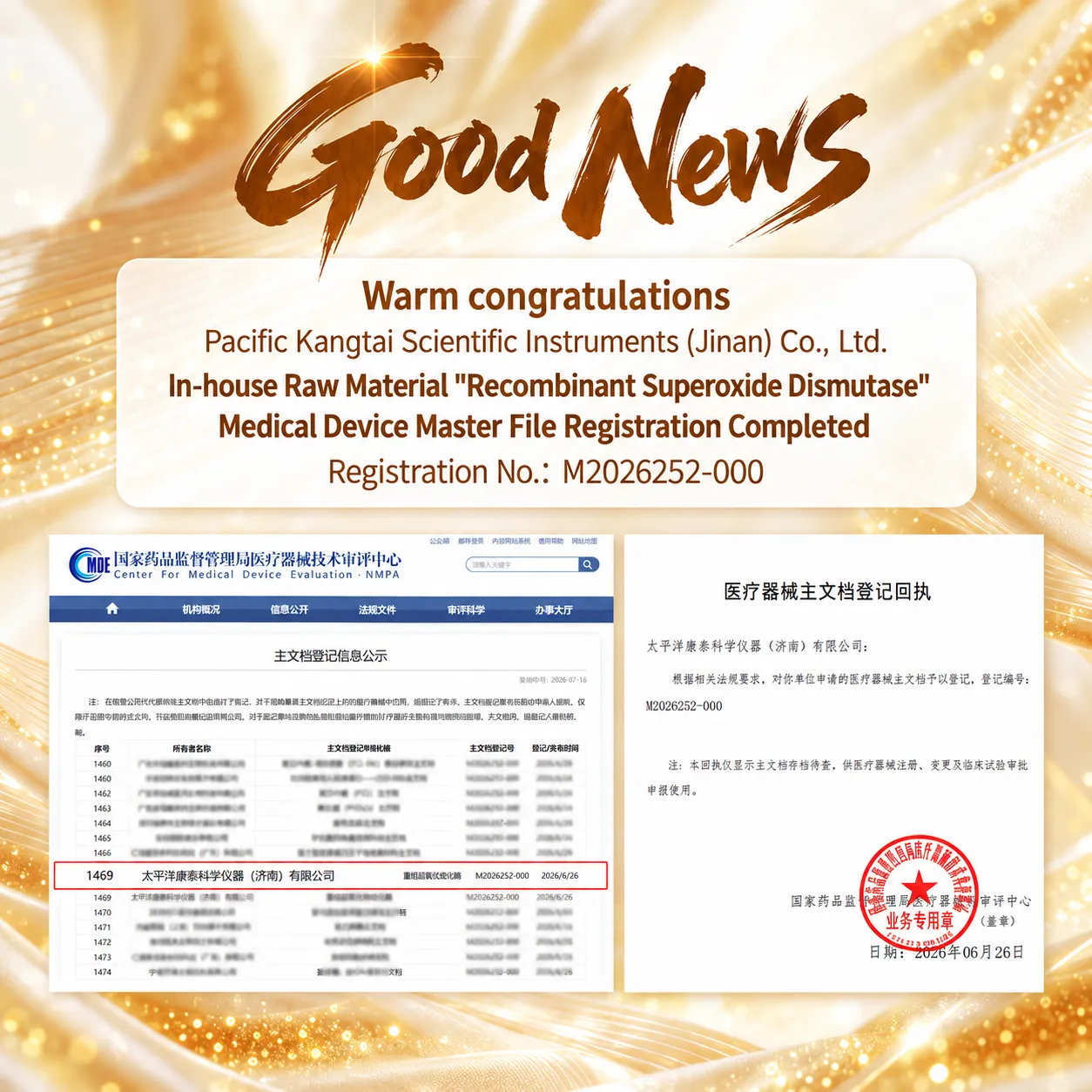
Navigating the complex landscape of bioactive material procurement requires more than just a vendor; it requires a knowledgeable partner. Jinan Meiyi Biotechnology Co., Ltd., headquartered in Jinan, Shandong Province, serves as a trusted enabler for innovation across the global personal care and aesthetic medicine value chain. As a subsidiary of Pacific Kangtai Scientific Instruments (Jinan) Co., Ltd., we specialize in the research, development support, and commercialization of bioactive technologies.
Unlike traditional manufacturers, Jinan Meiyi Biotechnology operates as a strategic sourcing and quality-assured distribution partner. We do not engage in raw material manufacturing ourselves; instead, we leverage a well-established global supply chain network to maintain long-term cooperative relationships with internationally recognized, certified manufacturers. This model allows us to focus exclusively on what matters most to our clients: rigorous quality assurance, regulatory compliance, and technical suitability.
Our core strength lies in our disciplined curation methodology. Every hydroxyapatite powder and bioactive ingredient in our portfolio undergoes comprehensive evaluation prior to inclusion. We verify efficacy data, stability profiles, and compatibility with modern formulation standards. For our clients—including R&D laboratories, CDMOs, and aesthetic clinics across Asia, Europe, and North America—we provide full traceability. Each batch is accompanied by complete technical dossiers, including Certificates of Analysis (CoA), safety data sheets, and regulatory status summaries.
By partnering with Jinan Meiyi Biotechnology, you gain access to:
- Scientifically Validated Materials: Access to high-integrity ingredients backed by robust documentation and international supplier qualifications.
- Regulatory Confidence: Strict oversight of procurement and logistics ensures all materials meet regional and international compliance needs (ISO, GMP, REACH).
- Technical Collaboration: Our scientifically trained team offers consultation on formulation development, helping you select the right grade of HAp for your specific application, whether it be for dental cosmetics or medical aesthetics.
- Supply Chain Reliability: We prioritize transparency and responsiveness, reducing sourcing complexity while maintaining confidence in material consistency from origin to end-user.
Wholesale Pricing Factors for Hydroxyapatite Powder
When you buy hydroxyapatite powder in bulk, pricing is influenced by several dynamic factors. Understanding these helps in budgeting and negotiation.
Grade and Purity Level
Biomedical Grade: Highest cost due to stringent purity requirements, sterile packaging, and extensive documentation (DMF files, biocompatibility reports).
Dental/Cosmetic Grade: Mid-range pricing. Requires high purity but less rigorous regulatory documentation than implants.
Industrial/Research Grade: Most affordable. Suitable for chromatography, water treatment, or preliminary lab research.
Particle Size Engineering
Nano-sized powders command a premium due to the energy-intensive processing required to prevent agglomeration and achieve uniform distribution. Micro-sized powders are generally more cost-effective.
Order Volume and Packaging
Wholesale prices decrease significantly with volume. Packaging also affects cost; vacuum-sealed, moisture-proof bags are standard, but specialized sterile packaging adds to the unit price. Long-term contracts often secure better rates against raw material fluctuations.
Step-by-Step Guide: How to Process and Handle Hydroxyapatite Powder
Proper handling ensures the material retains its properties from delivery to application. Follow these best practices when you receive your shipment.
Step 1: Storage Conditions
Hydroxyapatite is hygroscopic. Store in a cool, dry place away from direct sunlight. Keep containers tightly sealed when not in use. Moisture absorption can lead to clumping and altered reactivity.
Step 2: Dispersion Techniques
For nano-hydroxyapatite, achieving a uniform dispersion is challenging due to high surface energy.
- Sonication: Use ultrasonic probes or baths to break up agglomerates in liquid media.
- Surfactants: Employ compatible dispersants to stabilize particles in suspension.
- pH Adjustment: Maintain optimal pH levels to prevent premature dissolution or aggregation.
Step 3: Safety Precautions
While HAp is biocompatible, fine powders pose inhalation risks. Always wear appropriate Personal Protective Equipment (PPE), including N95 masks, gloves, and safety goggles during handling. Use fume hoods or local exhaust ventilation when weighing or mixing dry powder.
Common Mistakes When Sourcing Hydroxyapatite
Avoid these pitfalls to ensure project success and product quality.
- Ignoring Particle Size Distribution: Assuming “nano” means uniform size. Always request DLS (Dynamic Light Scattering) data to verify the range.
- Overlooking Crystallinity: Using high-crystallinity HAp for resorbable applications leads to poor integration. Match crystallinity to the degradation timeline.
- Neglecting Batch Consistency: Failing to request samples from multiple batches. Variability can disrupt manufacturing processes.
- Price-Only Decision Making: Choosing the cheapest option often results in impure materials containing residual solvents or unreacted precursors.
FAQ: Frequently Asked Questions About Buying Hydroxyapatite Powder
What is the difference between synthetic and natural hydroxyapatite?
Synthetic HAp is produced in controlled laboratory conditions, ensuring high purity and consistent Ca/P ratios. Natural HAp, derived from bovine or marine sources, may contain organic residues and trace impurities. For medical and dental applications, synthetic HAp is preferred due to its predictability and lack of immunogenic risk.
Is hydroxyapatite powder safe for use in toothpaste?
Yes, synthetic hydroxyapatite is widely recognized as safe for oral care. It is non-toxic, biocompatible, and approved by various health authorities globally. It effectively remineralizes enamel without the toxicity concerns associated with excessive fluoride ingestion.
How long does hydroxyapatite powder last in storage?
When stored in airtight, moisture-proof containers at room temperature, hydroxyapatite powder has a shelf life of 2-3 years. However, for critical biomedical applications, using material within 12 months of manufacture is recommended to ensure optimal surface chemistry.
Can I get a custom Ca/P ratio?
Yes, many specialized manufacturers offer customization. Adjusting the Ca/P ratio allows for tuning the dissolution rate. This is particularly useful for developing drug delivery systems or resorbable bone cements. Discuss your specific requirements with the supplier’s technical team.
What is the minimum order quantity (MOQ) for wholesale?
MOQs vary by supplier and grade. For research-grade materials, MOQs may be as low as 100 grams. For industrial and biomedical wholesale, MOQs typically start at 1-5 kg, with significant price breaks at 25 kg, 100 kg, and tonnage levels.
Comparison: Hydroxyapatite vs. Other Biomaterials
Understanding how HAp compares to alternatives helps in material selection.
| Feature | Hydroxyapatite (HAp) | Beta-Tricalcium Phosphate (β-TCP) | Bioactive Glass |
|---|---|---|---|
| Biocompatibility | Excellent | Excellent | Very Good |
| Bioactivity | Osteoconductive | Osteoconductive | Osteostimulative |
| Resorbability | Low (Slow) | High (Fast) | Moderate |
| Mechanical Strength | High | Medium | Low (Brittle) |
| Primary Application | Long-term implants, Coatings | Bone void fillers, Drug delivery | Soft tissue bonding, Dentin sensitivity |
Often, HAp and β-TCP are combined in biphasic calcium phosphate (BCP) ceramics to balance stability and resorption. If your application requires rapid bone replacement, consider BCP. For structural support, pure HAp is superior.
Future Trends in Hydroxyapatite Market (2026 Outlook)
The market for hydroxyapatite is evolving. Key trends influencing buyers in 2026 include:
- 3D Printing Feedstocks: Increased demand for spherical HAp powders optimized for additive manufacturing of patient-specific implants.
- Ion-Doped Variants: Growing interest in Strontium-doped HAp for osteoporosis treatment and Silver-doped HAp for antibacterial coatings.
- Sustainable Synthesis: Shift towards eco-friendly production methods using bio-waste sources (e.g., eggshells, fish bones) after rigorous purification, though synthetic remains the standard for high-end medical use.
- Nanocomposites: Integration of HAp with polymers (PLA, PCL) and graphene for enhanced mechanical properties in tissue engineering scaffolds.
Conclusion: Secure Your Supply of Premium Hydroxyapatite Powder
Choosing the right source to buy hydroxyapatite powder is a strategic decision that impacts product efficacy, regulatory approval, and market competitiveness. Whether you are developing next-generation dental care products, orthopedic implants, or advanced filtration systems, material quality cannot be compromised.
At Jinan Meiyi Biotechnology, we bridge the gap between upstream innovation and downstream application. By leveraging our global network of certified manufacturers and our rigorous quality assurance framework, we provide high-purity, consistently sourced hydroxyapatite powder tailored to your specific technical requirements. With full traceability, comprehensive certification, and a partnership-oriented service model, we support your journey from R&D to commercial launch.
Ready to optimize your formulation?
Contact our technical sales team today to request a sample, review detailed specifications, or discuss wholesale pricing options for your project. Let us help you achieve superior performance with our premium hydroxyapatite solutions.
Explore Our Full Range of Biomaterials and Technical Solutions





Please leave us a message.