

Hydroxyapatite Powder Manufacturer | High Purity & Wholesale Price
2026-09-11
- What Is Hydroxyapatite Powder? Chemical Structure and Properties
- Manufacturing Processes: Ensuring Purity and Consistency
- About Jinan Meiyi Biotechnology: Your Trusted Supply Chain Partner
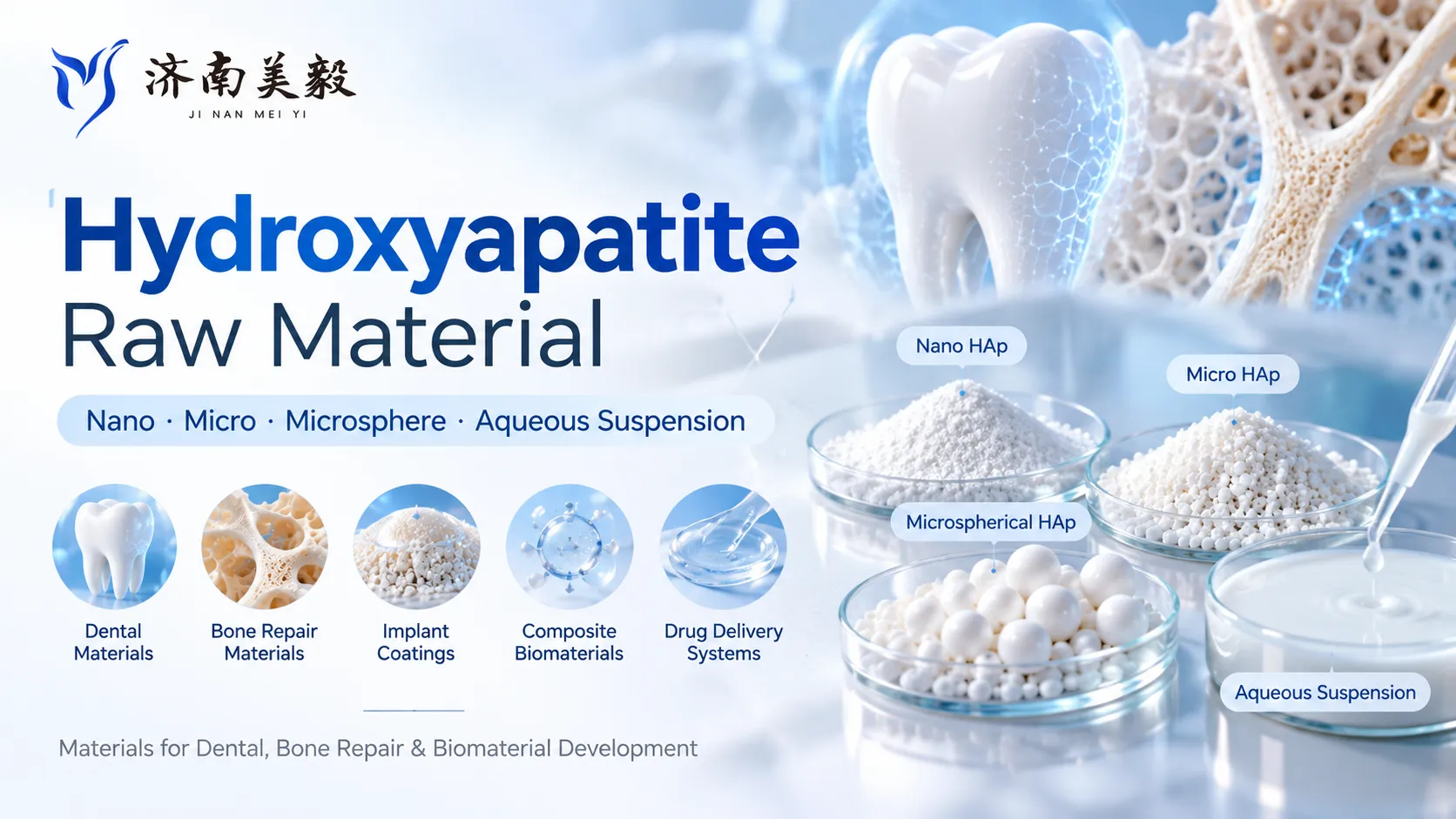
- Applications of Hydroxyapatite Powder Across Industries
- Technical Specifications and Grade Comparison
- How to Choose the Right Hydroxyapatite Powder for Your Project
- Common Challenges and Solutions in HAp Usage
- FAQ: Frequently Asked Questions About Hydroxyapatite Powder
- Why Partner With Jinan Meiyi Biotechnology for Hydroxyapatite Supply?
- Conclusion and Next Steps
Hydroxyapatite powder is a high-purity, biocompatible calcium phosphate ceramic widely utilized in biomedical implants, dental restoration, and advanced coating applications. As a premier supplier, we provide pharmaceutical-grade and industrial-grade hydroxyapatite (HAp) with controlled crystallinity, stoichiometric Ca/P ratios, and customizable particle sizes. Our wholesale pricing model supports bulk procurement for B2B clients, ensuring consistent quality for bone grafts, chromatography media, and thermal spray coatings. This guide details technical specifications, manufacturing standards, and selection criteria to help engineers and procurement specialists source reliable HAp materials.
What Is Hydroxyapatite Powder? Chemical Structure and Properties
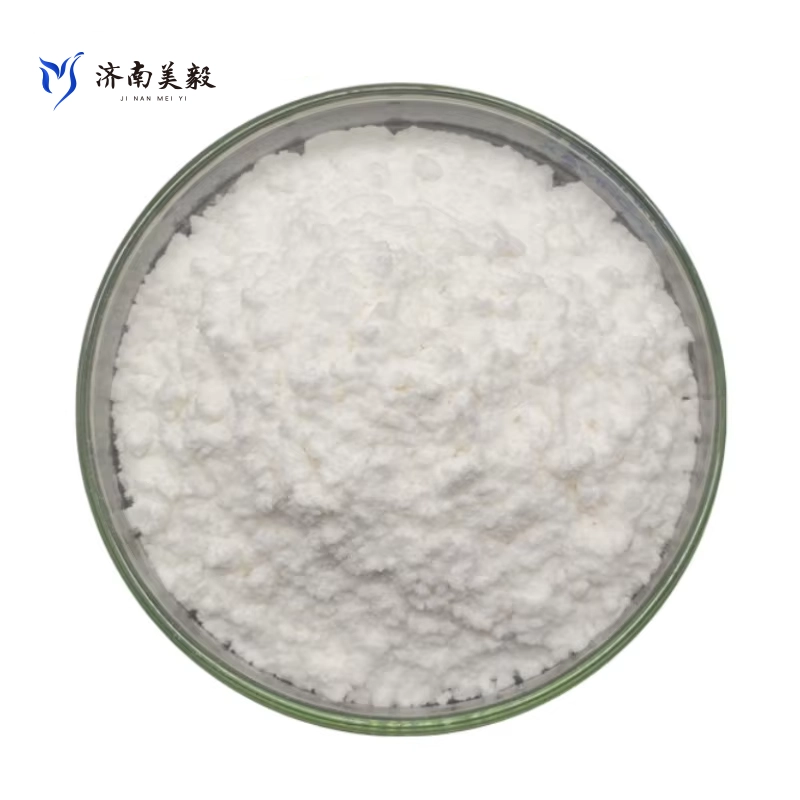
Hydroxyapatite (HAp), chemically represented as Ca10(PO4)6(OH)2, is the primary inorganic constituent of human bone and tooth enamel. Its crystal structure belongs to the hexagonal system, offering exceptional stability and bioactivity. In industrial and medical contexts, synthetic hydroxyapatite powder replicates this natural mineral, providing a scaffold for bone regeneration and a stable medium for protein separation.
Key Chemical and Physical Characteristics
The efficacy of hydroxyapatite powder depends heavily on its physicochemical properties. Suppliers and manufacturers must control these parameters to meet specific application requirements, such as osseointegration speed or adsorption capacity.
- Calcium-to-Phosphorus (Ca/P) Ratio: The stoichiometric ratio is 1.67. Deviations from this value indicate non-stoichiometric apatites, which may affect solubility and biological response. High-purity grades maintain this ratio within a tight tolerance (±0.02).
- Crystallinity: This refers to the degree of structural order. High-crystallinity HAp is more stable and less soluble, ideal for long-term implants. Low-crystallinity or amorphous HAp dissolves faster, promoting quicker bone turnover in resorbable scaffolds.
- Particle Size Distribution: Ranging from nanometers (nano-HAp) to microns. Nano-sized particles offer higher surface area and bioactivity, crucial for cell attachment. Micron-sized particles are preferred for thermal spraying and chromatography packing due to better flowability and mechanical strength.
- Purity Levels: Pharmaceutical grades require >99.9% purity with strict limits on heavy metals (Lead, Cadmium, Arsenic) and endotoxins. Industrial grades may tolerate slightly lower purity but still demand consistency for coating performance.
Biocompatibility and Bioactivity Mechanisms
The core value of hydroxyapatite lies in its bioactivity. Unlike inert biomaterials, HAp actively interacts with biological environments. When implanted, it forms a direct chemical bond with living bone tissue through ion exchange. This process, known as osseointegration, eliminates the fibrous tissue layer that often isolates foreign materials, ensuring stable fixation.
Furthermore, HAp exhibits osteoconductivity, serving as a template for new bone growth. Osteoblasts (bone-forming cells) adhere to the HAp surface, proliferate, and deposit new bone matrix. This property makes it indispensable in orthopedic and dental reconstructive surgeries.
Manufacturing Processes: Ensuring Purity and Consistency
Producing high-quality hydroxyapatite powder requires precise control over synthesis methods. The chosen method dictates the powder’s morphology, crystallinity, and agglomeration state. While Jinan Meiyi Biotechnology Co., Ltd. does not engage in raw material manufacturing itself, we partner exclusively with certified manufacturers who employ rigorous synthesis routes to cater to diverse industrial needs. This strategic sourcing model allows us to offer a versatile portfolio of HAp products without compromising on quality or technical specificity.
Wet Chemical Precipitation Method
This is the most common method for producing stoichiometric HAp. It involves reacting calcium sources (such as calcium nitrate or calcium hydroxide) with phosphate sources (such as diammonium hydrogen phosphate) in an aqueous solution.
- Process Control: The pH level is strictly maintained between 9 and 11 using ammonia solution to prevent the formation of acidic calcium phosphates like brushite.
- Temperature: Reactions typically occur at elevated temperatures (60–90°C) to enhance crystallinity.
- Aging and Washing: The precipitate is aged to complete crystal growth, then washed repeatedly to remove residual ions (nitrates, ammonium).
- Drying and Calcination: The wet cake is dried and optionally calcined at high temperatures (800–1200°C) to increase crystallinity and remove organic impurities.
This method yields high-purity powder with controllable particle size, suitable for biomedical applications.
Sol-Gel Synthesis
The sol-gel method offers superior homogeneity at the molecular level. Precursors are mixed in a solvent to form a sol, which transitions into a gel network. This approach allows for doping with other ions (e.g., Strontium, Magnesium) uniformly throughout the lattice.
Sol-gel derived HAp often exhibits higher surface area and reactivity compared to precipitation-derived powders. It is particularly useful for creating nano-hydroxyapatite for advanced drug delivery systems and composite materials.
Hydrothermal Synthesis
Hydrothermal synthesis involves crystallizing HAp in a sealed vessel under high pressure and temperature. This method produces highly crystalline particles with well-defined morphologies (rods, plates, or spheres) without the need for high-temperature calcination.
The advantage of hydrothermal HAp is its low agglomeration and high phase purity. It is ideal for applications requiring specific particle shapes for enhanced mechanical interlocking or optical properties.
Quality Assurance and Testing Protocols
To ensure every batch meets international standards, rigorous testing is conducted by our manufacturing partners. At Jinan Meiyi Biotechnology, our quality assurance framework centers on supplier qualification, documentation traceability, and batch-level specification verification. We ensure that all supplied HAp undergoes comprehensive evaluation, including:
- X-Ray Diffraction (XRD): Verifies phase purity and crystallinity, ensuring no secondary phases like beta-tricalcium phosphate (β-TCP) are present unless intended.
- Fourier Transform Infrared Spectroscopy (FTIR): Identifies functional groups and detects carbonate substitutions or organic residues.
- Inductively Coupled Plasma (ICP-OES): Measures elemental composition to confirm the Ca/P ratio and detect trace heavy metals.
- Scanning Electron Microscopy (SEM): Analyzes particle morphology and size distribution.
- BET Surface Area Analysis: Determines specific surface area, critical for adsorption and bioactivity assessments.
About Jinan Meiyi Biotechnology: Your Trusted Supply Chain Partner
Headquartered in Jinan, Shandong Province, China, and operating as a subsidiary of Pacific Kangtai Scientific Instruments (Jinan) Co., Ltd., Jinan Meiyi Biotechnology Co., Ltd. is a professional enterprise dedicated to the research, development support, and commercialization of bioactive technologies. While we do not operate our own production facilities, we serve as a critical bridge between upstream innovation and downstream application.
Our core business is structured around two complementary pillars: the supply of cosmetic and bioactive raw materials, and the distribution of premium cosmetics and medical aesthetic products. In the realm of raw materials, we function as a strategic sourcing and quality-assured distribution partner. Leveraging a well-established global supply chain network, we maintain long-term cooperative relationships with internationally recognized suppliers. This ensures our clients have consistent access to technically advanced, regulatory-compliant, and scientifically validated hydroxyapatite and other bioactive materials.
We serve clients across Asia, Europe, and North America, with particular strength in supporting R&D laboratories, contract development and manufacturing organizations (CDMOs), and aesthetic clinics. Our service philosophy is rooted in partnership rather than transaction—providing technical consultation, regulatory intelligence sharing, and collaborative problem-solving to facilitate faster, safer, and more effective translation of bioactive science into real-world benefits.
Applications of Hydroxyapatite Powder Across Industries
Hydroxyapatite powder is versatile, serving sectors ranging from healthcare to environmental engineering. Understanding the specific requirements of each application helps in selecting the right grade of HAp.
Biomedical and Orthopedic Implants
In orthopedics, HAp is used to coat metallic implants (titanium or stainless steel). The metal provides mechanical strength, while the HAp coating promotes biological fixation. This combination reduces the risk of implant loosening and extends the lifespan of joint replacements.
Additionally, HAp powder is processed into porous scaffolds for bone void fillers. These scaffolds support bone ingrowth in trauma surgery, spinal fusion, and cranial reconstruction. The porosity and pore size are engineered to facilitate vascularization and cell migration.
Dental Restoration and Care
The dental industry utilizes HAp for its similarity to tooth enamel. Applications include:
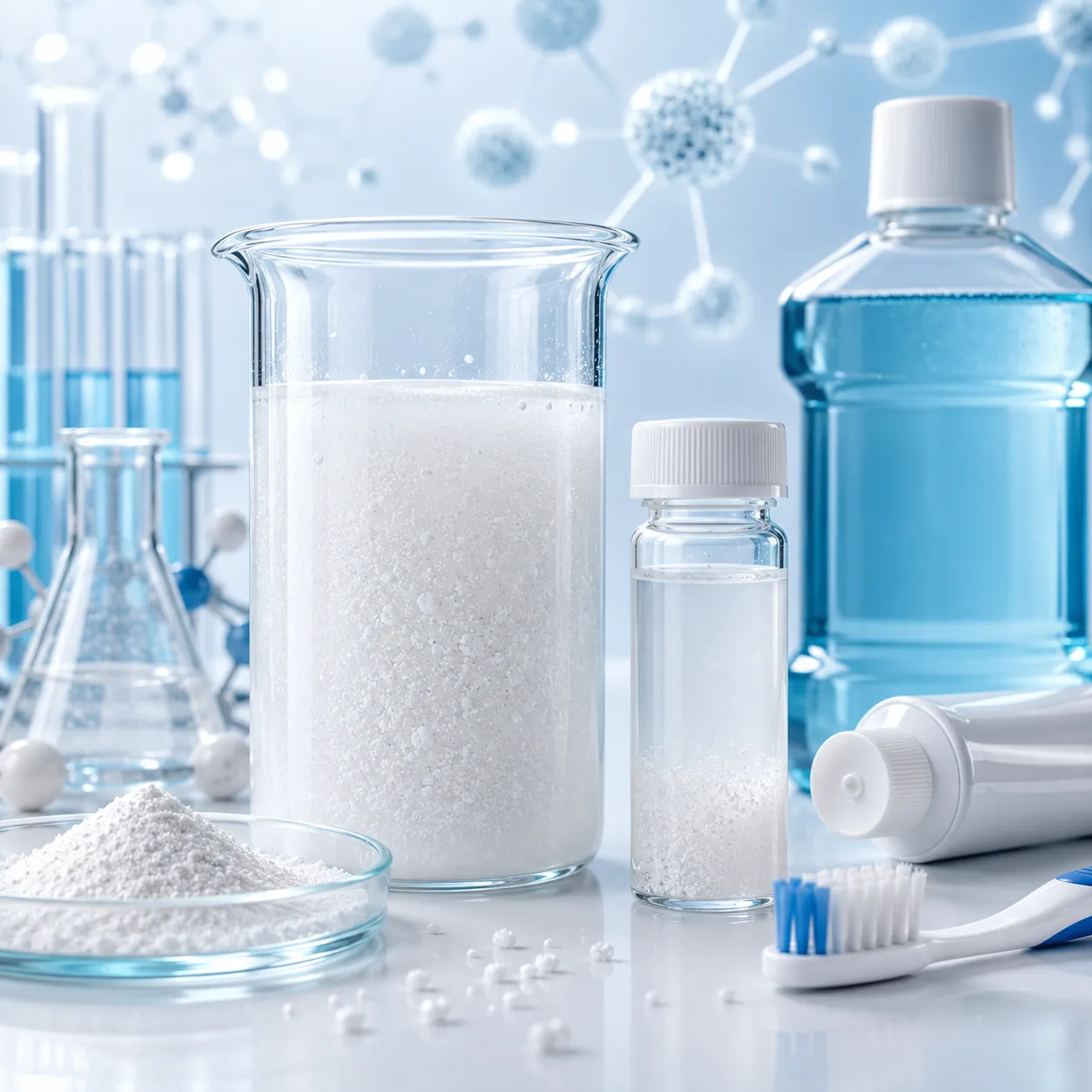
- Toothpaste and Mouthwash: Nano-hydroxyapatite acts as a remineralizing agent, repairing early enamel lesions and reducing sensitivity by occluding dentinal tubules.
- Dental Implants: Similar to orthopedic uses, HAp-coated dental screws enhance osseointegration in the jawbone.
- Periodontal Regeneration: HAp granules are placed in periodontal pockets to stimulate bone regrowth around teeth affected by gum disease.
Chromatography and Protein Purification
Hydroxyapatite chromatography is a powerful technique for separating biomolecules. HAp resin binds proteins, nucleic acids, and viruses based on surface charge and calcium affinity. It is particularly effective in:
- Monoclonal Antibody Purification: Removing aggregates and host cell proteins.
- Virus Clearance: Separating viral particles from vaccine formulations.
- DNA/RNA Isolation: Binding nucleic acids for downstream analysis.
For chromatography, HAp powder must have uniform particle size, high mechanical strength, and consistent surface chemistry to ensure reproducible separation results.
Thermal Spray Coatings
In industrial settings, HAp powder is fed into plasma spray guns to coat medical devices. The powder melts and solidifies rapidly upon impact, forming a dense or porous coating. The feedstock powder must have spherical morphology and appropriate flowability to ensure consistent feeding and melting.
Environmental Remediation
HAp has a high affinity for heavy metals and radionuclides. It is used in water treatment filters to adsorb lead, cadmium, uranium, and arsenic from contaminated water. The ion-exchange mechanism replaces calcium ions in the HAp lattice with toxic metal ions, effectively immobilizing them.
Technical Specifications and Grade Comparison
Selecting the correct hydroxyapatite powder requires matching technical specifications to your application. Below is a comparison of standard grades available for wholesale procurement through our curated network.
| Parameter | Biomedical Grade (Implant) | Dental/Consumer Grade | Chromatography Grade | Industrial/Coating Grade |
|---|---|---|---|---|
| Purity | >99.9% | >98.5% | >99.5% | >95% |
| Ca/P Ratio | 1.67 ± 0.02 | 1.60 – 1.70 | 1.67 ± 0.05 | 1.60 – 1.70 |
| Particle Size (D50) | 1 – 5 µm (or Nano <100nm) | 20 – 50 nm | 20 – 40 µm | 45 – 150 µm |
| Crystallinity | High (>90%) | Low to Medium | Medium | High |
| Endotoxin Level | <0.5 EU/mg | Not Tested | Low | Not Tested |
| Heavy Metals | Strictly Controlled (PPM level) | Standard Limits | Controlled | Standard Limits |
| Morphology | Iregular or Spherical | Spherical Agglomerates | Spherical, Porous | Spherical, Dense |
Understanding Particle Size Impact
Particle size significantly influences performance. Nano-hydroxyapatite (<100 nm) offers superior bioactivity due to its high surface-to-volume ratio, mimicking the natural bone mineral scale. However, it tends to agglomerate, requiring specialized dispersion techniques.
Micron-sized HAp (1–100 µm) is easier to handle and process. It is preferred for thermal spraying, where larger particles melt more predictably, and for chromatography, where particle size determines column backpressure and resolution.
How to Choose the Right Hydroxyapatite Powder for Your Project
Procurement decisions should be driven by technical requirements rather than price alone. Incorrect specification can lead to product failure, regulatory rejection, or inefficient processing.
Step 1: Define the Application Environment
Determine whether the HAp will be implanted in the body, used in a consumer product, or employed in an industrial process. Implantable devices require ISO 13485 certified manufacturing and strict endotoxin control. Consumer products like toothpaste focus on safety and aesthetic properties (whiteness, texture).
Step 2: Specify Crystallinity Requirements
If rapid resorption is needed (e.g., temporary bone filler), choose low-crystallinity HAp. For permanent coatings or structural scaffolds, high-crystallinity HAp ensures long-term stability. Ask for XRD data to verify crystallinity levels.
Step 3: Determine Particle Morphology and Size
For chromatography, spherical particles with narrow size distribution are essential to maintain consistent flow rates. For composites, irregular particles may provide better mechanical interlocking with polymers. Request laser diffraction reports to confirm D10, D50, and D90 values.
Step 4: Verify Regulatory Compliance
Ensure the supplier provides necessary documentation, such as Certificates of Analysis (CoA), Material Safety Data Sheets (MSDS), and compliance with relevant standards (ISO, ASTM, USP). For medical devices, check if the manufacturing facility is audited for FDA or CE marking compliance. At Jinan Meiyi Biotechnology, we provide full technical dossiers for all raw materials, ensuring regulatory readiness for your specific market.
Step 5: Evaluate Supply Chain Stability
Consistent quality across batches is critical for manufacturing. Inquire about the supplier’s batch-to-batch variability controls. A reliable partner will provide historical data on key parameters like Ca/P ratio and particle size distribution.
Common Challenges and Solutions in HAp Usage
Engineers and formulators often encounter specific challenges when working with hydroxyapatite powder. Addressing these early can save time and resources.
Agglomeration of Nano-HAp
Challenge: Nano-hydroxyapatite particles tend to clump together due to van der Waals forces, reducing their effective surface area and bioactivity.
Solution: Use surface modifiers or dispersants during mixing. Ultrasonic dispersion is also effective in breaking up agglomerates in liquid suspensions. Selecting HAp with surface-treated particles can also improve dispersion stability.
Sintering Shrinkage and Cracking
Challenge: When processing HAp into ceramics, high-temperature sintering can cause significant shrinkage and cracking, compromising mechanical integrity.
Solution: Optimize the heating rate and hold time during sintering. Adding sintering aids or using nano-powders can lower the required sintering temperature, reducing thermal stress. Controlled cooling rates also minimize crack formation.
Inconsistent Coating Adhesion
Challenge: Thermal spray coatings may delaminate from the substrate due to poor adhesion or mismatched thermal expansion coefficients.
Solution: Ensure proper surface preparation of the substrate (grit blasting). Use a bond coat if necessary. Select HAp powder with appropriate particle size distribution for the spray gun settings to ensure optimal melting and flattening upon impact.
FAQ: Frequently Asked Questions About Hydroxyapatite Powder
What is the difference between Hydroxyapatite and Tricalcium Phosphate (TCP)?
Hydroxyapatite (HAp) is more stable and less soluble than Beta-Tricalcium Phosphate (β-TCP). HAp is preferred for long-term implants and load-bearing applications due to its higher mechanical strength. β-TCP resorbs faster and is often used in combination with HAp (biphasic calcium phosphate) to balance stability and bone replacement rates.
Is Hydroxyapatite powder safe for use in cosmetics?
Yes, hydroxyapatite is considered safe for cosmetic use, particularly in oral care products. It is non-toxic, non-irritating, and biocompatible. Regulatory bodies in major markets approve its use in toothpaste and skincare for its remineralizing and gentle abrasive properties.
How should Hydroxyapatite powder be stored?
Store HAp powder in a cool, dry place in airtight containers. Moisture absorption can lead to agglomeration and potential phase changes over extended periods. Avoid contamination with acidic substances, which can dissolve the powder.
Can Hydroxyapatite be doped with other elements?
Yes, HAp’s crystal lattice allows for substitution of calcium and hydroxyl ions with various elements like Strontium, Magnesium, Zinc, and Fluorine. Doping can enhance specific properties, such as antibacterial activity (Silver/Zinc), osteogenesis (Strontium), or acid resistance (Fluorine).
What is the shelf life of Hydroxyapatite powder?
When stored properly, hydroxyapatite powder has an indefinite shelf life as it is a stable ceramic material. However, for biomedical applications, manufacturers typically assign a 2–5 year shelf life to ensure packaging integrity and sterility assurance.

Why Partner With Jinan Meiyi Biotechnology for Hydroxyapatite Supply?
As a specialized provider of high-performance raw materials, Jinan Meiyi Biotechnology combines scientific rigor with market responsiveness. We position ourselves at the intersection of innovation and reliability, serving as a trusted enabler for clients across the global personal care and aesthetic medicine value chain.
Curated Quality and Global Sourcing
We do not simply distribute materials; we curate them. By leveraging long-term relationships with internationally recognized suppliers, we ensure consistent access to technically advanced and regulatory-compliant hydroxyapatite. Every raw material in our portfolio undergoes comprehensive evaluation based on efficacy data, stability profiles, and compatibility with modern formulation standards.
Technical Expertise and Partnership
Our team possesses deep specialization in bioactive technology applications, supported by continuous exposure to international research frontiers. We offer more than just products; we provide technical consultation, regulatory intelligence sharing, and collaborative problem-solving. This partnership-oriented approach helps R&D laboratories and CDMOs reduce sourcing complexity while maintaining full confidence in material consistency.
Regulatory Confidence and Documentation
We maintain strict control over storage conditions, shipping protocols, and delivery timelines. Each raw material is accompanied by full technical dossiers, including certificates of analysis, safety data sheets, and regulatory status summaries. This transparency facilitates smoother product development cycles and ensures compliance with regional and international market needs.
Conclusion and Next Steps
Hydroxyapatite powder is a critical material in modern biomedical and industrial applications. Its unique combination of biocompatibility, bioactivity, and chemical stability makes it irreplaceable in bone regeneration, dental care, and purification technologies. Selecting the right grade involves careful consideration of purity, particle size, crystallinity, and regulatory requirements.
For engineers, procurement managers, and researchers, partnering with a reliable supplier like Jinan Meiyi Biotechnology ensures consistent quality and expert technical support. Whether you need high-purity implant-grade HAp or cost-effective industrial powder, understanding the technical nuances is key to successful application.
Ready to source high-quality Hydroxyapatite Powder?
Contact our technical sales team today to request a sample, review detailed specifications, or discuss custom sourcing options. We are committed to providing the materials and expertise needed to drive your innovation forward.
Explore our full range of Biomaterials and Technical Solutions





Please leave us a message.