

Medical Grade HAp Powder Manufacturer | ISO Certified & OEM
2026-09-20
- What Is Medical Grade Hydroxyapatite Powder?
- Manufacturing Process: Ensuring ISO Certification and Purity
- Technical Specifications and Parameter Optimization
- Applications of Medical Grade HAp Powder
- Comparative Analysis: HAp vs. Other Biomaterials
- About Jinan Meiyi Biotechnology: Your Strategic Sourcing Partner
- OEM and Customization Services for B2B Partners
- Quality Assurance and Regulatory Compliance
- How to Choose the Right Medical Grade HAp Supplier
- Frequently Asked Questions (FAQ)
- Common Mistakes in HAp Procurement and Usage
- Future Trends in Hydroxyapatite Technology
- Conclusion: Partnering for Excellence in Medical Device Manufacturing
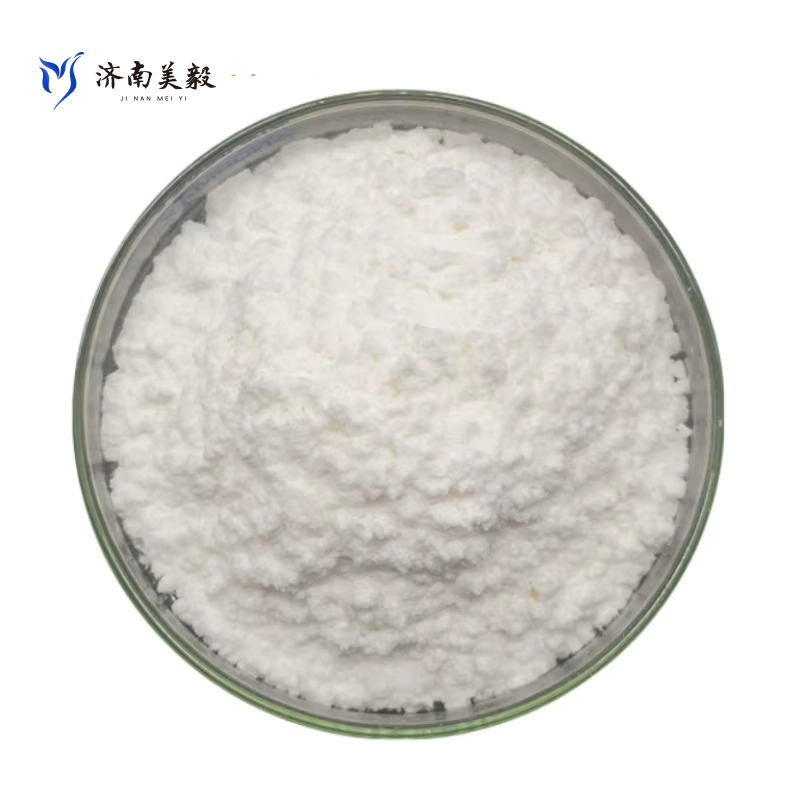
Medical grade HAp powder is a high-purity, biocompatible calcium phosphate material synthesized under strict ISO-certified manufacturing protocols. It serves as the foundational raw material for bone grafts, dental implants, and orthopedic coatings. Our facility produces hydroxyapatite with controlled crystallinity, stoichiometric Ca/P ratios (1.67), and verified endotoxin levels below 0.5 EU/mL. As an OEM partner, we provide customizable particle sizes, porous structures, and sterile packaging to meet FDA, CE, and MDR regulatory requirements for Class II and Class III medical devices.
What Is Medical Grade Hydroxyapatite Powder?
Hydroxyapatite (HAp) is a naturally occurring mineral form of calcium apatite, represented by the formula Ca10(PO4)6(OH)2. In the context of biomedical engineering, medical grade HAp powder refers to synthetically produced HAp that meets rigorous purity and safety standards suitable for human implantation. Unlike industrial-grade HAp used in agriculture or water filtration, medical-grade variants must be free from toxic heavy metals, organic residues, and immunogenic contaminants.
The primary value of medical-grade HAp lies in its osteoconductivity. It mimics the inorganic component of human bone and teeth, allowing host bone tissue to grow along its surface. This biological integration makes it indispensable in regenerative medicine. However, not all HAp powders are created equal. The distinction between “lab-grade” and “medical-grade” is defined by traceability, batch consistency, and adherence to Good Manufacturing Practices (GMP).
Key Characteristics of Premium Medical HAp
- High Purity: Typically exceeding 99.5% purity, with negligible levels of lead, arsenic, or cadmium.
- Stoichiometric Precision: A Calcium-to-Phosphorus (Ca/P) molar ratio of exactly 1.67 ensures chemical stability and optimal bioactivity.
- Controlled Crystallinity: Manufacturers adjust crystallinity levels to balance degradation rates with mechanical strength.
- Biological Safety: Validated non-cytotoxic, non-genotoxic, and non-immunogenic properties through rigorous ISO 10993 testing.
For B2B buyers in the medical device sector, sourcing this material requires a partner who understands not just the chemistry, but the regulatory landscape. Our production lines are designed to maintain lot-to-lot consistency, ensuring that your final device performs predictably in clinical settings.
Manufacturing Process: Ensuring ISO Certification and Purity
The synthesis of medical grade HAp powder is a complex chemical engineering process. Achieving ISO certification requires more than just a clean lab; it demands a fully validated supply chain, environmental controls, and documented quality assurance at every stage. We employ wet chemical precipitation and hydrothermal synthesis methods, selected based on the desired particle morphology and application.
Step-by-Step Synthesis and Quality Control
Our manufacturing workflow is structured to eliminate variability. Each batch undergoes multiple checkpoints before release.
- Raw Material Selection: We source high-purity calcium and phosphate precursors. Certificates of Analysis (CoA) are verified for every incoming batch to prevent upstream contamination.
- Precipitation Reaction: Under controlled pH and temperature conditions, calcium nitrate and ammonium phosphate solutions are mixed. This step determines the initial Ca/P ratio. Automated dosing systems ensure precision within ±0.01.
- Aging and Crystallization: The precipitate is aged to allow crystal growth. For high-crystallinity HAp, hydrothermal treatment is applied. This enhances thermal stability, which is crucial for sintering processes in ceramic manufacturing.
- Washing and Purification: Multiple washing cycles remove byproducts like ammonium nitrate. Deionized water is used exclusively to prevent ion exchange contamination.
- Drying and Milling: Spray drying or freeze-drying techniques are employed to preserve particle structure. Jet milling then reduces agglomerates to achieve the target particle size distribution (PSD).
- Sterilization and Packaging: Final powder is sterilized via gamma irradiation or ethylene oxide, depending on customer specifications. Packaging occurs in ISO Class 7 cleanrooms to maintain sterility until use.
Why ISO Certification Matters for HAp Suppliers
ISO 13485 certification is the global standard for medical device quality management systems. For a raw material supplier, this certification signals that our processes are validated, risks are managed, and traceability is absolute. When you purchase medical grade HAp powder from an ISO-certified manufacturer, you gain:
- Regulatory Acceptance: Documentation that satisfies FDA 510(k) submissions and EU MDR technical files.
- Risk Mitigation: Reduced likelihood of batch failures due to consistent process controls.
- Supply Chain Transparency: Full visibility into raw material sources and processing history.
Many non-certified suppliers offer lower prices but lack the documentation required for medical device registration. This often leads to costly delays during regulatory audits. Our ISO-compliant framework is designed to accelerate your time-to-market.
Technical Specifications and Parameter Optimization
Selecting the right medical grade HAp powder requires a deep understanding of how physical and chemical parameters influence biological performance. There is no “one-size-fits-all” specification. The optimal powder depends on whether the end product is a dense ceramic implant, a porous scaffold, or an injectable cement.
Critical Parameters for Medical HAp
| Parameter | Standard Range | Impact on Application |
|---|---|---|
| Ca/P Molar Ratio | 1.67 ± 0.02 | Determines phase purity. Deviations may result in secondary phases like TCP, altering degradation rates. |
| Crystallinity | 40% – 98% | High crystallinity offers better mechanical strength; low crystallinity dissolves faster, promoting quicker bone turnover. |
| Particle Size (D50) | 0.5 µm – 50 µm | Smaller particles enhance sintering density; larger particles create porosity in scaffolds. |
| Specific Surface Area (SSA) | 10 – 80 m²/g | Higher SSA increases protein adsorption and cell attachment but may accelerate resorption. |
| Endotoxin Level | < 0.5 EU/mL | Critical for implantable devices to prevent inflammatory responses. |
| Heavy Metals | < 10 ppm total | Ensures biocompatibility and compliance with pharmacopoeia standards. |
Customizing Particle Morphology
Beyond standard metrics, the shape of the HAp particles plays a significant role in processing. Spherical particles flow better, making them ideal for injection molding or 3D printing filaments. Irregular, plate-like particles may interlock better in cold-pressed ceramics, providing green strength before sintering.
We offer OEM customization for particle morphology. By adjusting surfactant types and stirring speeds during synthesis, we can tailor the powder to match your specific fabrication method. This level of customization is rarely available from general chemical distributors, highlighting the advantage of partnering with a specialized manufacturer.
Applications of Medical Grade HAp Powder
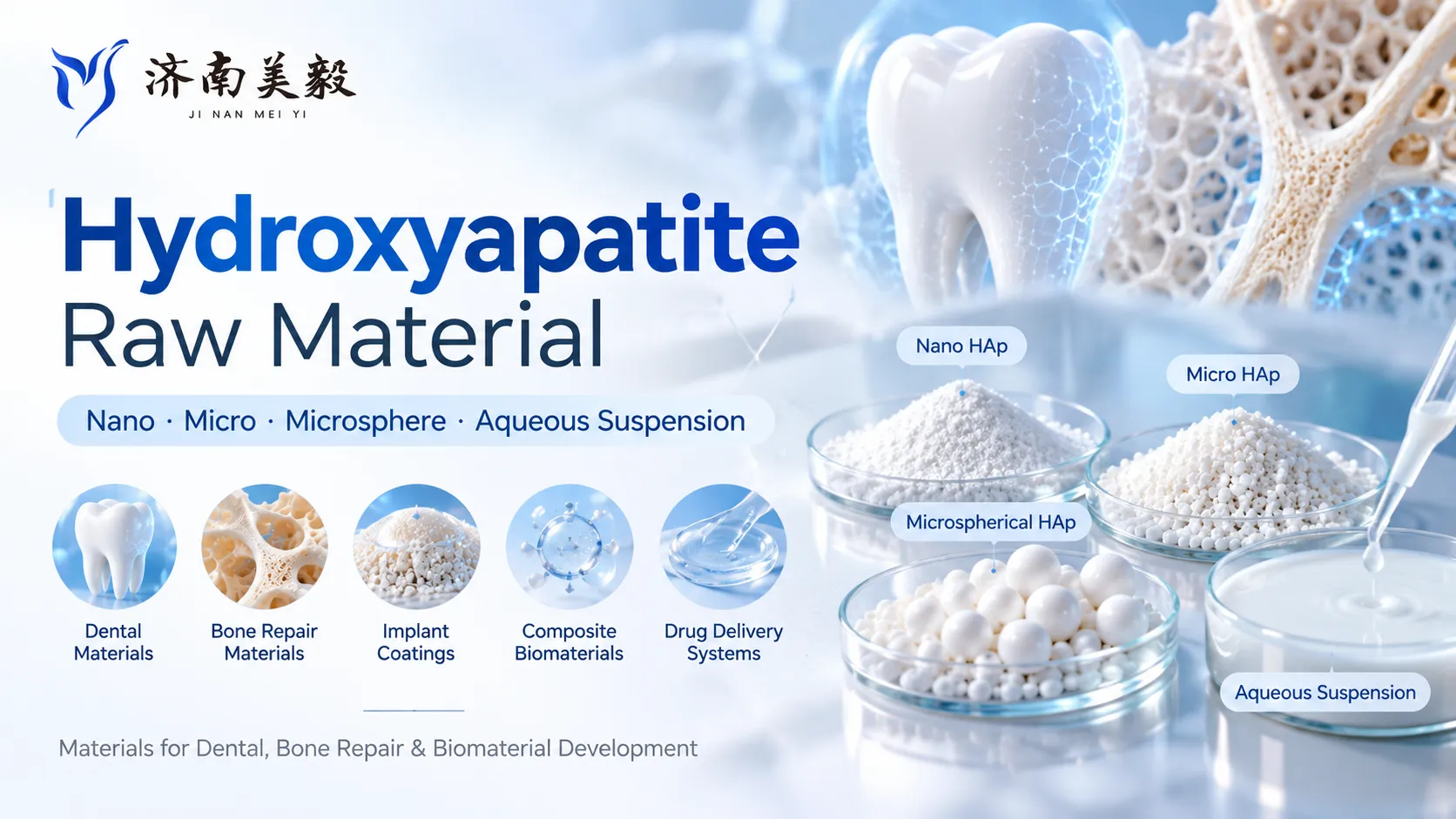
The versatility of hydroxyapatite allows it to serve diverse roles in modern medicine. From hard tissue replacement to drug delivery systems, the application dictates the required grade of the powder. Understanding these applications helps procurement teams specify the correct material properties.
1. Orthopedic Implants and Coatings
Metallic implants, such as titanium hip replacements, often suffer from poor osseointegration. Coating these implants with medical grade HAp powder creates a bioactive surface that bonds directly with bone. This reduces micromotion and extends the lifespan of the implant. For coatings, nano-sized HAp with high crystallinity is preferred to withstand the high temperatures of plasma spraying without decomposing into less stable phases.
2. Dental Bone Grafts and Periodontal Repair
In dentistry, HAp is used to fill voids left by tooth extraction or periodontal disease. Synthetic HAp acts as a scaffold for new bone growth. Here, resorbable HAp (often mixed with Beta-Tricalcium Phosphate) is favored. The powder must be highly porous and have a controlled degradation rate that matches the speed of new bone formation. Sterility and ease of handling are paramount in these clinical settings.
3. 3D Printing and Additive Manufacturing
The rise of patient-specific implants has driven demand for HAp powders compatible with additive manufacturing. Whether using Stereolithography (SLA) or Selective Laser Sintering (SLS), the powder must have excellent flowability and uniform particle size. Agglomeration can clog printers and cause structural defects. Our engineered powders for 3D printing are treated to minimize static charge and ensure consistent layer deposition.
4. Drug Delivery Systems
HAp’s high surface area and ion-exchange capacity make it an excellent carrier for therapeutic agents. Antibiotics, growth factors, or anti-cancer drugs can be adsorbed onto HAp nanoparticles. This allows for localized, sustained release of medication directly at the site of injury or infection. For this application, nano-HAp with high specific surface area is essential.
Comparative Analysis: HAp vs. Other Biomaterials
When designing a medical device, engineers often compare HAp with other calcium phosphates and bioceramics. Understanding these differences is crucial for material selection.
HAp vs. Beta-Tricalcium Phosphate (β-TCP)
While both are calcium phosphates, their biological behaviors differ significantly. HAp is relatively stable and resorbs slowly over years. β-TCP, on the other hand, degrades rapidly within months.
- Choose HAp when: Long-term structural support is needed, or when a permanent coating is required.
- Choose β-TCP when: Rapid bone replacement is the goal, and the scaffold should disappear as new bone forms.
- Biphasic Calcium Phosphate (BCP): Many modern applications use a mix of HAp and β-TCP to balance stability and resorption. We offer custom blending services to create BCP powders with precise ratios (e.g., 60/40 or 70/30).
HAp vs. Bioactive Glass
Bioactive glass bonds to bone faster than HAp but is mechanically weaker and more difficult to process into dense ceramics. HAp offers superior mechanical integrity, making it better suited for load-bearing applications or composite reinforcement. However, bioactive glass may be preferred for soft tissue healing due to its angiogenic properties. For hard tissue regeneration, HAp remains the gold standard due to its chemical similarity to natural bone mineral.
About Jinan Meiyi Biotechnology: Your Strategic Sourcing Partner
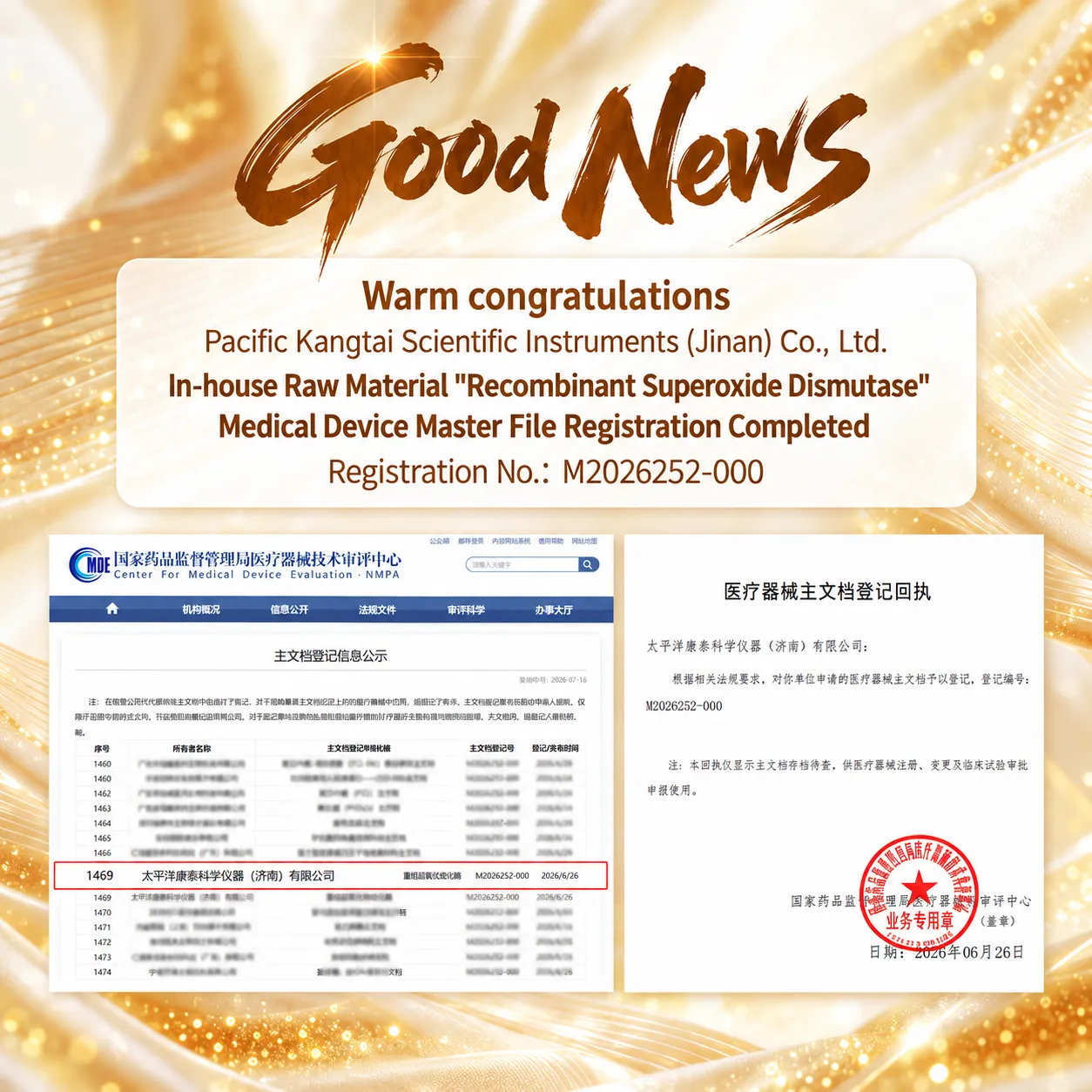
While the technical specifications of HAp are critical, the reliability of your supply chain is equally important. Jinan Meiyi Biotechnology Co., Ltd., headquartered in Jinan, Shandong Province, serves as a pivotal bridge between advanced bioactive innovation and practical application. As a subsidiary of Pacific Kangtai Scientific Instruments (Jinan) Co., Ltd., we specialize in the research, development support, and commercialization of high-performance raw materials for the medical aesthetics and personal care industries.
Unlike traditional manufacturers, Jinan Meiyi Biotechnology operates as a strategic sourcing and quality-assured distribution partner. We do not engage in direct raw material manufacturing; instead, we leverage a robust global supply chain network to partner exclusively with internationally recognized, ISO-certified manufacturers. This model allows us to curate a portfolio of technically advanced, regulatory-compliant, and scientifically validated materials—such as the medical grade HAp powder detailed in this guide—without the overhead of maintaining production facilities.
Our value proposition lies in our rigorous quality assurance framework. Every batch of raw material we distribute undergoes comprehensive evaluation, including verification of Certificates of Analysis (CoA), safety data sheets, and regulatory status summaries. By maintaining long-term cooperative relationships with top-tier suppliers, we ensure consistent access to materials that meet the stringent demands of R&D laboratories, CDMOs, and aesthetic clinics across Asia, Europe, and North America.
Why Partner with Jinan Meiyi Biotechnology?
- Scientific Rigor & Market Responsiveness: Our team combines scientific expertise with market insights, ensuring that the materials we provide are not only chemically pure but also aligned with current industry trends and regulatory requirements.
- Supply Chain Integrity: We prioritize transparency and traceability. Our disciplined curation methodology ensures that every product, from active ingredients to finished medical aesthetic devices, meets high standards of efficacy and safety.
- Partnership-Oriented Service: We view our clients as partners. Beyond simple transaction, we offer technical consultation, regulatory intelligence sharing, and collaborative problem-solving to help you navigate the complexities of biomaterial procurement.
- Global Reach, Local Support: With a strong presence in key global markets, we facilitate faster, safer, and more effective translation of bioactive science into real-world clinical benefits.
By choosing Jinan Meiyi Biotechnology, you gain more than a supplier; you gain a trusted enabler for innovation, dedicated to reducing sourcing complexity while maintaining full confidence in material consistency and regulatory readiness.
OEM and Customization Services for B2B Partners
As a dedicated manufacturer network partner, we recognize that off-the-shelf products rarely meet the exacting needs of innovative medical devices. Our OEM services are designed to integrate seamlessly with your R&D and production workflows. We do not just sell powder; we provide material solutions sourced from our vetted manufacturing partners.
Custom Synthesis Capabilities
Our R&D support team can help develop bespoke HAp formulations based on your technical drawings and performance requirements. Common customization requests include:
- Doping with Trace Elements: Incorporating strontium, magnesium, or zinc to enhance osteogenic activity or provide antibacterial properties.
- Composite Powders: Pre-mixing HAp with polymers (like PLGA or PCL) or other ceramics to create ready-to-process composite materials.
- Specialized Packaging: Offering vacuum-sealed, nitrogen-flushed, or sterile-packaged options to suit your manufacturing environment.
Scalability from Lab to Production
One of the biggest challenges for medtech startups is scaling up from gram-scale lab experiments to kilogram-scale production. Our facility partners are equipped to handle both. We support pilot batches for clinical trials and can scale up to ton-level production for commercial launch. This continuity ensures that the material used in your final product is identical to what was tested in your initial feasibility studies, reducing regulatory risk.
Quality Assurance and Regulatory Compliance
Trustworthiness in the medical supply chain is built on transparency. We provide comprehensive documentation for every batch of medical grade HAp powder. This includes Certificates of Analysis, Batch Records, and Statements of Compliance.
Testing Protocols
Our internal laboratory and partner facilities are equipped with advanced analytical instruments to verify product quality:
- X-Ray Diffraction (XRD): Confirms phase purity and crystallinity.
- Inductively Coupled Plasma (ICP): Detects trace elements and verifies Ca/P ratio.
- Scanning Electron Microscopy (SEM): Visualizes particle morphology and size.
- BET Analysis: Measures specific surface area.
- Biological Testing: Collaborating with accredited third-party labs for cytotoxicity, sensitization, and irritation tests per ISO 10993 standards.
This data-driven approach ensures that every shipment meets the specified criteria. If a parameter falls outside the agreed tolerance, the batch is rejected. This zero-compromise policy protects your brand and your patients.
How to Choose the Right Medical Grade HAp Supplier
Selecting a supplier is a strategic decision. The wrong choice can lead to production delays, regulatory rejections, or product failures. Here are key factors to evaluate when vetting potential partners.
1. Verify Certifications
Do not accept claims of quality without proof. Request current ISO 13485 certificates. Check if the supplier has experience with FDA inspections or CE marking processes. A supplier who understands regulatory documentation will save you significant time during device registration.
2. Assess Technical Support
Can the supplier answer detailed technical questions? Do they understand the impact of particle size on sintering? A true expert partner will engage in technical dialogue, offering advice on material selection rather than just pushing inventory. Look for suppliers with in-house R&D teams capable of troubleshooting processing issues.
3. Evaluate Supply Chain Stability
Medical device manufacturing cannot tolerate interruptions. Investigate the supplier’s raw material sources and production capacity. Do they have backup systems? What is their lead time consistency? A reliable partner provides transparent communication about stock levels and potential delays.
4. Request Samples and Trial Batches
Never commit to large volumes without testing. Request samples for initial characterization. Follow up with a pilot batch to test in your actual production line. Evaluate the consistency of the pilot batch against the sample. This practical validation is the best indicator of future performance.
Frequently Asked Questions (FAQ)
What is the shelf life of medical grade HAp powder?
When stored in a cool, dry place in unopened, sealed packaging, medical grade HAp powder typically has a shelf life of 24 to 36 months. However, once opened, the powder should be used immediately or stored in a desiccator to prevent moisture absorption, which can affect flowability and reactivity. Always refer to the specific storage instructions provided in the Certificate of Analysis.
Is synthetic HAp as effective as natural HAp?
Yes, synthetic HAp is often preferred for medical applications because it offers higher purity and consistency. Natural HAp, derived from bovine or marine sources, carries a risk of pathogen transmission and immunogenic reactions. Synthetic HAp eliminates these biological risks while allowing precise control over chemical composition and physical structure.
Can HAp powder be sterilized after packaging?
Yes, HAp powder is thermally stable and can withstand gamma irradiation and ethylene oxide sterilization. However, autoclaving (steam sterilization) is generally not recommended for fine powders as it can cause agglomeration and alter the crystal structure due to high heat and moisture. We offer pre-sterilized options to simplify your manufacturing process.
What is the difference between nano-HAp and micro-HAp?
The primary difference is particle size. Nano-HAp (particles < 100 nm) has a much higher surface area, leading to greater bioactivity and faster protein adsorption. It is ideal for drug delivery and coating applications. Micro-HAp (particles > 1 µm) is easier to handle, flows better, and is typically used for bulk ceramic sintering and bone graft granules. The choice depends on the specific biological and processing requirements of your device.
Do you provide documentation for FDA 510(k) submissions?
Yes, we provide comprehensive Technical Files including Material Master Files, Biocompatibility Test Reports, and Manufacturing Process Descriptions. These documents are structured to support your regulatory submissions. While we do not file on your behalf, our data is formatted to meet FDA and EU MDR expectations, facilitating a smoother review process.
Common Mistakes in HAp Procurement and Usage
Even experienced engineers can encounter pitfalls when working with biomaterials. Avoiding these common errors can save time and resources.
- Ignoring Moisture Content: HAp is hygroscopic. Failing to account for moisture content in weight-based formulations can lead to incorrect stoichiometry in final products. Always dry the powder before critical processing steps.
- Overlooking Particle Distribution: Focusing only on average particle size (D50) ignores the tails of the distribution. Wide distributions can cause packing issues. Specify the span or D10/D90 values for critical applications.
- Inadequate Mixing: When blending HAp with polymers or other powders, insufficient mixing leads to heterogeneous properties. Use validated mixing protocols to ensure uniform dispersion.
- Assuming All HAp is Bioactive: Highly crystalline, sintered HAp is less bioactive than amorphous or low-crystalline HAp. Match the crystallinity to the desired biological response.
Future Trends in Hydroxyapatite Technology
The field of biomaterials is evolving. As we look toward 2026 and beyond, several trends are shaping the demand for medical grade HAp powder.
Ion-Doped HAp: Researchers are increasingly exploring the benefits of doping HAp with therapeutic ions like silver (antibacterial), strontium (osteoporosis treatment), and cobalt (angiogenesis). This transforms HAp from a passive scaffold into an active therapeutic agent.
3D Printed Scaffolds: The integration of HAp into bio-inks for bioprinting is expanding. This requires ultra-fine, highly dispersed powders that do not clog micro-nozzles. Manufacturers are developing specialized surface treatments to improve HAp compatibility with hydrogel matrices.
Sustainable Manufacturing: There is a growing emphasis on green chemistry in HAp synthesis. Methods that reduce waste, use less energy, and avoid hazardous solvents are becoming industry preferences. Our production processes are continuously optimized to minimize environmental impact while maintaining high quality.
Conclusion: Partnering for Excellence in Medical Device Manufacturing
Medical grade HAp powder is more than a commodity; it is a critical component that defines the safety and efficacy of life-enhancing medical devices. Choosing the right manufacturer involves evaluating technical expertise, regulatory compliance, and the ability to customize solutions to your specific needs.
Through our partnership with ISO-certified facilities, Jinan Meiyi Biotechnology combines advanced synthesis technology with rigorous quality control to deliver HAp powder that meets the highest global standards. Whether you are developing next-generation orthopedic implants, innovative dental grafts, or targeted drug delivery systems, we provide the material reliability and technical support necessary for success.
Who Should Contact Us?
- R&D Directors seeking custom biomaterial formulations.
- Procurement Managers requiring consistent, documented supply chains.
- Regulatory Affairs Specialists needing comprehensive technical documentation.
- Manufacturers scaling up from pilot to commercial production.
Do not compromise on the foundation of your medical device. Ensure your product is built on verified quality and scientific precision.
→ Ready to optimize your supply chain? Contact our technical sales team today to request a sample, discuss your specifications, or schedule a facility audit. Let us support your journey from concept to clinical reality.
Explore Our Full Range of Biomaterial Solutions and Technical Resources






Please leave us a message.