
Medical Grade SOD Supplier: GMP Certified OEM Manufacturer
2026-09-23
- Why Choose a GMP-Certified Medical Grade SOD Supplier?
- Understanding Medical Grade Superoxide Dismutase (SOD)
- Our GMP-Certified Manufacturing Process
- About Jinan Meiyi Biotechnology: Your Strategic Partner in Bioactive Solutions
- Applications of Medical Grade SOD in 2026
- OEM and Customization Services for B2B Partners
- How to Select the Right Medical Grade SOD Supplier
- Common Challenges in SOD Sourcing and Solutions
- FAQ: Frequently Asked Questions About Medical Grade SOD
- Technical Specifications and Parameter Guide
- Storage and Handling Recommendations
- Conclusion: Partnering for Excellence in Enzyme Solutions
As a premier medical grade SOD supplier, we specialize in the GMP-certified OEM manufacturing of high-purity Superoxide Dismutase (SOD) for pharmaceutical, cosmetic, and clinical nutrition applications. Our facility adheres to strict Good Manufacturing Practice (GMP) standards, ensuring batch-to-batch consistency, enzymatic stability, and regulatory compliance. We provide customized enzyme solutions with verified activity levels, low endotoxin content, and robust documentation support for global health product developers seeking reliable, scalable, and compliant raw material sourcing.
Why Choose a GMP-Certified Medical Grade SOD Supplier?
The demand for therapeutic-grade enzymes has surged in 2026, driven by advancements in oxidative stress management and regenerative medicine. However, not all SOD sources are created equal. For medical and semi-medical applications, the source of the enzyme is critical. A medical grade SOD supplier must operate under stringent quality controls that far exceed standard food or cosmetic grade requirements.
GMP certification is not merely a badge; it is a comprehensive system ensuring that products are consistently produced and controlled according to quality standards. When sourcing SOD for injectables, oral pharmaceuticals, or high-efficacy dermal treatments, partnering with a GMP-certified manufacturer mitigates risks related to contamination, variability, and regulatory rejection.
The Critical Role of GMP in Enzyme Manufacturing
Good Manufacturing Practice (GMP) covers all aspects of production, from the starting materials and equipment to the training and personal hygiene of staff. For a medical grade SOD supplier, this means:
- Traceability: Every batch of SOD can be traced back to its raw material source, processing conditions, and quality control tests.
- Contamination Control: Strict protocols prevent cross-contamination with other biological agents, ensuring purity.
- Standardized Processes: Manufacturing steps are validated and documented, ensuring that the enzyme activity remains consistent across large-scale production runs.
- Regulatory Readiness: Documentation such as Certificates of Analysis (CoA), Stability Data, and Method Validation Reports are readily available for regulatory submissions (FDA, EMA, NMPA).
Without GMP certification, manufacturers risk producing batches with inconsistent enzymatic activity or hidden impurities, which can compromise the efficacy and safety of the final medical product.
Understanding Medical Grade Superoxide Dismutase (SOD)
Superoxide Dismutase (SOD) is a potent antioxidant enzyme that catalyzes the dismutation of the superoxide radical ($O_2^-$) into ordinary molecular oxygen ($O_2$) and hydrogen peroxide ($H_2O_2$). This reaction is crucial for protecting cells from oxidative damage caused by reactive oxygen species (ROS).
In the context of a medical grade SOD supplier, the focus is on isolating specific isoforms of SOD that offer maximum stability and bioavailability for therapeutic use. The three primary types of SOD found in nature are:
- Cu/Zn-SOD (SOD1): Primarily found in the cytoplasm. It is widely used in cosmetic and topical medical applications due to its stability in neutral pH environments.
- Mn-SOD (SOD2): Located in the mitochondria. This form is critical for cellular energy protection and is often targeted in systemic anti-aging and metabolic health supplements.
- Ec-SOD (SOD3): Found in extracellular spaces. It plays a key role in protecting tissues from inflammatory oxidative stress.
For medical formulations, the choice of isoform depends on the delivery method and the target tissue. Our manufacturing capabilities allow for the selective extraction and purification of these isoforms, ensuring that clients receive the specific enzymatic profile required for their clinical applications.
Key Quality Indicators for Medical Grade SOD
When evaluating a potential partner, technical buyers must look beyond basic activity claims. The following parameters define true medical grade quality:
| Parameter | Medical Grade Standard | Importance |
|---|---|---|
| Specific Activity | > 3,000 – 10,000 U/mg (varies by source) | Determines the potency and dosage efficiency of the final product. |
| Purity | > 95% (SDS-PAGE verification) | Ensures minimal presence of non-enzymatic proteins that could trigger immune responses. |
| Endotoxin Levels | < 10 EU/mg (strictly controlled) | Critical for injectable or mucosal applications to prevent pyrogenic reactions. |
| Microbial Load | Total Plate Count < 100 CFU/g | Ensures the product is free from harmful bacteria, yeast, and mold. |
| Heavy Metals | Compliant with ICH Q3D guidelines | Prevents toxicity from residual metals used in processing or present in raw materials. |
Our GMP-Certified Manufacturing Process
As a dedicated medical grade SOD supplier, our production workflow is designed to maximize enzyme yield while preserving structural integrity. The process involves advanced biotechnology techniques, including fermentation optimization, multi-stage filtration, and gentle drying methods.
Step 1: Strain Selection and Fermentation
The quality of SOD begins with the source. We utilize high-yield microbial strains or plant-based sources (such as melon extract) that are genetically stable and free from pathogens. Our fermentation tanks are equipped with real-time monitoring systems that control temperature, pH, and oxygen levels to optimize enzyme expression.
This stage is critical for scalability. By optimizing fermentation conditions, we ensure that large-scale batches maintain the same enzymatic profile as laboratory-scale prototypes, a common challenge in enzyme manufacturing.
Step 2: Extraction and Purification
Post-fermentation, the biomass undergoes cell lysis to release intracellular SOD. We employ non-denaturing extraction buffers to prevent enzyme deactivation. The crude extract then passes through a series of purification steps:
- Ultrafiltration: Removes large debris and concentrates the enzyme solution.
- Ion Exchange Chromatography: Separates SOD from other proteins based on charge differences, achieving high purity levels.
- Size Exclusion Chromatography: Further refines the product by removing aggregates and smaller impurities.
This multi-step purification ensures that the final product meets the rigorous purity standards required for medical applications.
Step 3: Stabilization and Drying
SOD is sensitive to heat and pH changes. To ensure long-term stability, we use lyophilization (freeze-drying) or low-temperature spray drying technologies. These methods remove water without exposing the enzyme to damaging heat, preserving its tertiary structure and active site.
We also offer custom stabilization formulations, where the SOD is blended with protective agents (such as maltodextrin or specific amino acids) to enhance shelf life and resistance to gastric acid for oral formulations.
Step 4: Quality Control and Release
Every batch undergoes rigorous testing in our ISO-accredited laboratory. Tests include enzymatic activity assays, protein content analysis, microbial screening, and endotoxin testing. Only batches that meet all predefined specifications are released for shipment. Comprehensive documentation, including batch records and CoAs, accompanies every order.
About Jinan Meiyi Biotechnology: Your Strategic Partner in Bioactive Solutions
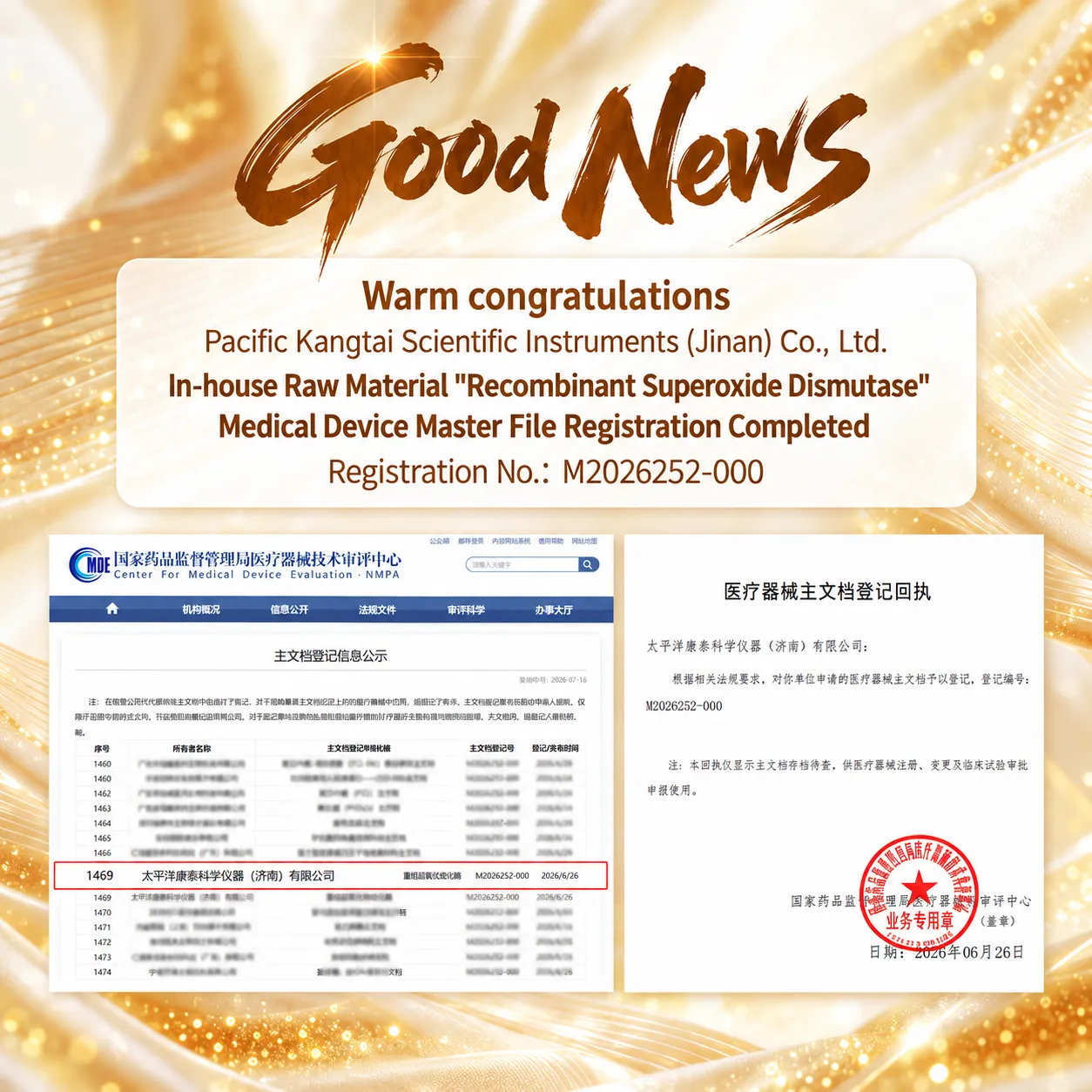
While the manufacturing processes described above represent the gold standard for SOD production, selecting the right commercial partner involves more than just technical specifications. Jinan Meiyi Biotechnology Co., Ltd., headquartered in Jinan, Shandong Province, serves as a pivotal bridge between such high-quality manufacturing capabilities and the global market. As a subsidiary of Pacific Kangtai Scientific Instruments (Jinan) Co., Ltd., we are a professional enterprise dedicated to the research, development support, and commercialization of bioactive technologies, with a strong emphasis on applications in the cosmetics and medical aesthetics industries.
Unlike traditional manufacturers, Jinan Meiyi Biotechnology operates as a strategic sourcing and quality-assured distribution partner. We do not engage in raw material manufacturing ourselves; instead, we leverage a well-established global supply chain network to partner exclusively with certified manufacturers who adhere to internationally accepted quality management systems, such as the GMP facilities detailed in this article. This model allows us to function at the intersection of scientific rigor and market responsiveness, serving as a trusted enabler for innovation across the global personal care and aesthetic medicine value chain.
Our core business is structured around two complementary pillars: the supply of cosmetic and bioactive raw materials, and the distribution of premium cosmetics and medical aesthetic products. Within the raw materials segment, we focus exclusively on active ingredients and functional components used in formulation development. Every raw material in our portfolio, including our medical-grade SOD, undergoes comprehensive evaluation prior to inclusion. Our selection criteria are grounded in efficacy data, stability profiles, and compatibility with modern formulation standards.
What sets Jinan Meiyi Biotechnology apart is our partnership-oriented service model. We serve clients across Asia, Europe, and North America, with particular strength in supporting R&D laboratories, contract development and manufacturing organizations (CDMOs), and aesthetic clinics. Our approach is rooted in collaboration rather than simple transaction:
- Deep Specialization: Our scientifically trained team maintains continuous exposure to international research frontiers in bioactive technology, dermatological research, and minimally invasive aesthetics.
- Quality Assurance & Traceability: Our framework centers on supplier qualification, documentation traceability, and batch-level specification verification. Each raw material is accompanied by full technical dossiers, including Certificates of Analysis (CoA), Safety Data Sheets (SDS), and regulatory status summaries.
- Curated Excellence: We prioritize clinically meaningful innovation and regulatory clarity over breadth or volume, ensuring that every product we distribute meets the evolving needs of regional and international markets.
- Agile Responsiveness: We actively monitor emerging trends and integrate these insights into our portfolio strategy, offering technical consultation and regulatory intelligence sharing to help clients reduce sourcing complexity.
By choosing Jinan Meiyi Biotechnology, you gain access to a knowledge-driven bridge between upstream innovation and downstream application. We facilitate the faster, safer, and more effective translation of bioactive science—like high-purity SOD—into real-world consumer and clinical benefits, ensuring full confidence in material consistency and regulatory readiness from origin to end-user.
Applications of Medical Grade SOD in 2026
The versatility of Superoxide Dismutase allows it to be integrated into various medical and health sectors. As a medical grade SOD supplier, we support clients in developing products for the following key areas:
1. Pharmaceutical and Clinical Therapeutics
In clinical settings, SOD is investigated for its anti-inflammatory and cytoprotective properties. It is used in formulations targeting:
- Osteoarthritis: Reducing oxidative stress in joint tissues to alleviate pain and inflammation.
- Ischemia-Reperfusion Injury: Protecting tissues during surgery or transplant procedures by neutralizing ROS generated upon blood flow restoration.
- Radioprotection: Mitigating side effects of radiation therapy in cancer patients by protecting healthy cells from oxidative damage.
For these applications, high purity and low endotoxin levels are non-negotiable. Our GMP-certified processes ensure that our SOD meets the safety profiles required for clinical trials and therapeutic use.
2. Advanced Dermatology and Wound Care
SOD is a cornerstone ingredient in medical-grade skincare and wound healing products. Its ability to neutralize free radicals makes it effective in:
- Post-Laser Recovery: Accelerating skin healing and reducing erythema after aesthetic laser treatments.
- Chronic Wound Healing: Promoting tissue regeneration in diabetic ulcers and burns by reducing local oxidative stress.
- Anti-Aging Treatments: Preventing collagen degradation caused by UV-induced ROS.
Our Cu/Zn-SOD formulations are particularly suited for topical applications due to their stability and compatibility with skin physiology. We offer specialized particle sizes and encapsulation options to enhance skin penetration.
3. Oral Health and Gastrointestinal Support
Oxidative stress plays a significant role in periodontal disease and gastrointestinal disorders. Medical grade SOD is incorporated into:
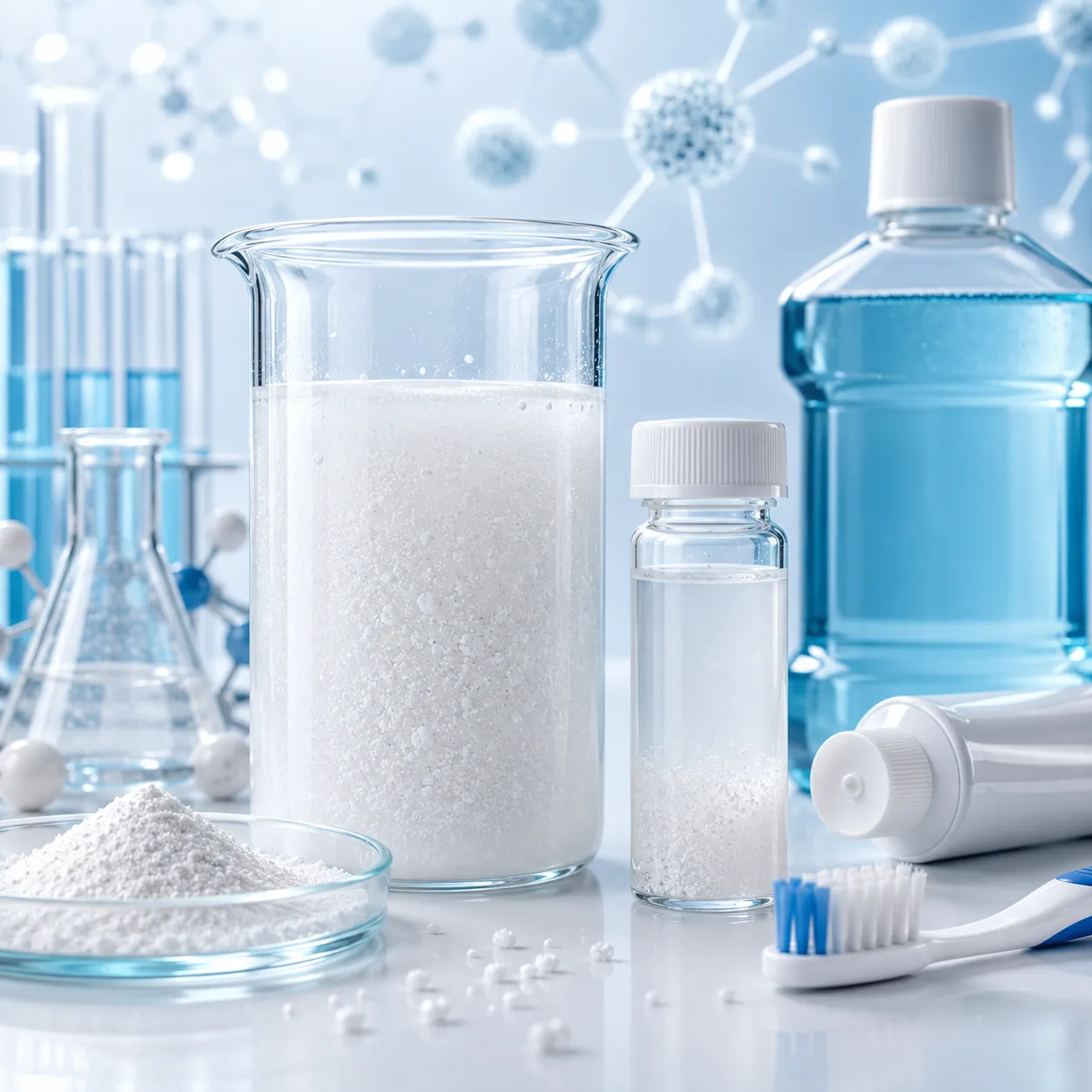
- Mouthwashes and Gels: To reduce gum inflammation and promote oral tissue health.
- Enteric-Coated Supplements: Designed to survive stomach acid and deliver active SOD to the intestines, supporting gut barrier integrity and reducing systemic inflammation.
For oral applications, the stability of SOD in acidic environments is crucial. Our team provides technical guidance on encapsulation technologies that protect the enzyme until it reaches the target site in the digestive tract.
4. Ophthalmic Solutions
The eye is highly susceptible to oxidative damage due to high oxygen exposure and light interaction. SOD is being explored for:
- Dry Eye Syndrome: Reducing oxidative stress on the ocular surface.
- Cataract Prevention: Protecting lens proteins from oxidation.
These applications require ultra-high purity and sterile filtration, capabilities that are central to our GMP manufacturing framework.
OEM and Customization Services for B2B Partners
As a flexible medical grade SOD supplier, we understand that one size does not fit all. Our OEM services are designed to support your specific product development needs, from early-stage R&D to commercial-scale production.
Custom Formulation and Blending
We can blend SOD with other synergistic antioxidants (such as Catalase, Glutathione, or Vitamin C) to create powerful composite ingredients. Our R&D team helps optimize the ratio of components to maximize stability and efficacy.
Encapsulation Technologies
To address the stability challenges of SOD, we offer various encapsulation options:
- Liposomal Encapsulation: Enhances cellular uptake and protects the enzyme from degradation.
- Microencapsulation: Provides controlled release and improved handling properties for tablet and capsule manufacturing.
- Enteric Coating: Ensures survival through the stomach for oral supplements.
Packaging and Labeling
We provide custom packaging solutions that protect the enzyme from moisture and light, including aluminum foil bags with desiccants and nitrogen flushing. Private labeling and custom documentation packages are available to streamline your regulatory filings.
How to Select the Right Medical Grade SOD Supplier
Choosing the right partner is a strategic decision that impacts your product’s quality, compliance, and time-to-market. Here are the essential criteria to evaluate when selecting a medical grade SOD supplier.
1. Verify Certification and Compliance
Ensure the supplier holds valid GMP certification from a recognized authority. Ask for audit reports and verify their compliance with international standards such as ISO 9001, ISO 22000, or Halal/Kosher certifications if relevant to your market.
2. Assess Technical Expertise and R&D Capability
A capable supplier should have an in-house R&D team that can support formulation challenges. Inquire about their ability to provide technical data on enzyme stability, compatibility with other ingredients, and recommended usage levels.
3. Evaluate Supply Chain Reliability
Consistency is key in medical manufacturing. Ask about their production capacity, lead times, and contingency plans for raw material shortages. A reliable supplier should be able to scale production up or down based on your demand fluctuations.
4. Review Documentation Support
Regulatory submission requires extensive documentation. Ensure the supplier can provide comprehensive Technical Dossiers, including Method of Analysis (MOA), Stability Studies, and Safety Data Sheets (SDS).
Common Challenges in SOD Sourcing and Solutions
Sourcing high-quality SOD comes with specific challenges. Understanding these issues helps in making informed procurement decisions.
| Challenge | Impact | Our Solution |
|---|---|---|
| Enzyme Instability | Loss of activity during storage or processing. | Advanced lyophilization and custom stabilization blends to maintain >90% activity over 24 months. |
| Batch Variability | Inconsistent product performance. | Strict GMP controls and real-time process monitoring ensure uniform specific activity across batches. |
| Low Bioavailability | Poor absorption in oral applications. | Offering liposomal and microencapsulated forms to enhance intestinal absorption and cellular uptake. |
| Regulatory Hurdles | Delays in product approval. | Providing full regulatory support packages, including toxicology reports and GMP certificates. |
FAQ: Frequently Asked Questions About Medical Grade SOD
What is the difference between food grade and medical grade SOD?
Food grade SOD is suitable for general dietary supplements and functional foods, with less stringent purity and microbial limits. Medical grade SOD is produced under GMP conditions, with stricter controls on endotoxins, heavy metals, and microbial load. It requires higher purity levels and comprehensive documentation for regulatory submissions in pharmaceutical and clinical applications.
How stable is SOD during storage?
Stability depends on the formulation and storage conditions. Lyophilized powder stored at 2-8°C in airtight containers can remain stable for 24-36 months. Liquid formulations are generally less stable and require refrigeration and preservatives. Our stabilized powders are designed to retain high activity even at room temperature for limited periods, but cold chain storage is recommended for long-term preservation.
Can SOD be used in injectable formulations?
Yes, but it requires ultra-high purity and sterile filtration. The SOD must be free from pyrogens (endotoxins) and microbial contaminants. As a GMP-certified supplier, we can produce SOD that meets the stringent requirements for parenteral applications, subject to specific client validation and regulatory approval.
What is the recommended dosage for SOD in supplements?
Dosage varies based on the specific activity of the enzyme and the intended health benefit. Typical dosages range from 250 IU to 5,000 IU per day for oral supplements. For clinical applications, dosages are determined by clinical trials and medical guidelines. We provide technical guidance on dosage calculations based on our enzyme’s specific activity.
Do you provide samples for testing?
Yes, we provide sample kits for qualified B2B partners. These samples include the CoA and technical data sheet to facilitate your preliminary evaluation. Please contact our sales team to request samples and discuss your specific requirements.
Technical Specifications and Parameter Guide
To assist in your formulation process, here are the typical technical specifications for our standard Medical Grade SOD products. Note that custom specifications are available upon request.
| Specification | Standard Range | Test Method |
|---|---|---|
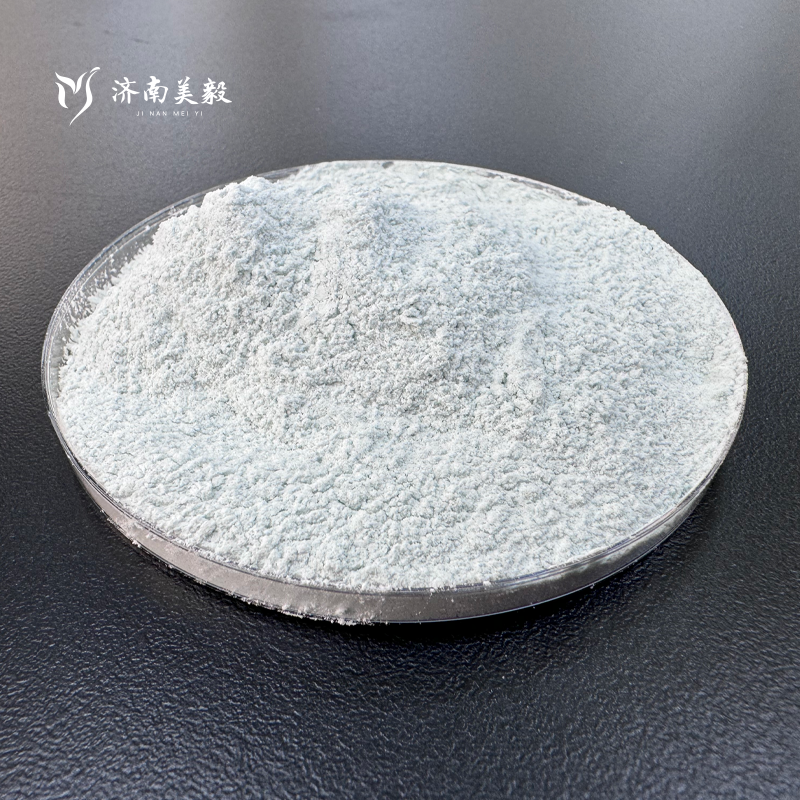
| Appearance | Light pink to beige powder | Visual Inspection |
| Odor | Characteristic, mild | Organoleptic |
| Specific Activity | ≥ 3,000 U/mg | Cytochrome c Reduction Method |
| Protein Content | ≥ 90% | Kjeldahl Method |
| Moisture | ≤ 5.0% | Karl Fischer Titration |
| pH (1% Solution) | 6.0 – 8.0 | |
| Total Plate Count | < 100 CFU/g | Plate Count Agar |
| Yeast & Mold | < 10 CFU/g | Sabouraud Dextrose Agar |
| E. Coli | Negative | PCR Method |
| Salmonella | Negative | PCR Method |
Storage and Handling Recommendations
To maintain the efficacy of Medical Grade SOD, proper storage and handling are essential. Follow these guidelines to ensure optimal performance:
- Temperature Control: Store in a cool, dry place. Ideally, keep at 2-8°C for long-term storage. Avoid freezing and thawing cycles if using liquid forms.
- Moisture Protection: SOD is hygroscopic. Keep containers tightly sealed when not in use. Use desiccants in packaging to absorb ambient moisture.
- Light Sensitivity: Protect from direct sunlight and strong artificial light, which can degrade the enzyme over time. Use opaque or amber-colored packaging.
- pH Considerations: SOD is most stable at neutral pH (6.0-8.0). Avoid mixing with highly acidic or alkaline ingredients during formulation unless protected by encapsulation.
Conclusion: Partnering for Excellence in Enzyme Solutions
In the evolving landscape of health and wellness, the quality of raw materials defines the success of the final product. As a trusted medical grade SOD supplier, we are committed to delivering excellence through GMP-certified manufacturing, rigorous quality control, and innovative customization services. Our expertise ensures that your formulations are not only effective but also compliant with global regulatory standards.
Whether you are developing a new pharmaceutical drug, a advanced dermatological treatment, or a high-end nutritional supplement, our team is ready to support your journey from concept to commercialization. We combine scientific rigor with operational flexibility to meet the unique demands of your project.
Ready to Elevate Your Product Formulation?
Don’t compromise on quality. Partner with a supplier that understands the nuances of medical-grade enzyme production. Contact us today to discuss your specific requirements, request a custom quote, or obtain sample materials for your R&D team.
→ Explore Our Full Range of Medical Grade Enzymes and OEM Solutions





Please leave us a message.