

The Multifaceted Value of Hydroxyapatite
2026-01-14
In the field of biomaterials, there is a substance intrinsically linked to the composition of human bones and teeth: hydroxyapatite. This naturally occurring mineral is not only a major component of human hard tissues but also plays a crucial role in medicine, oral care, medical aesthetics, and biomaterials science. Today, let’s delve deeper into this remarkable substance.
Hydroxyapatite: Product Introduction
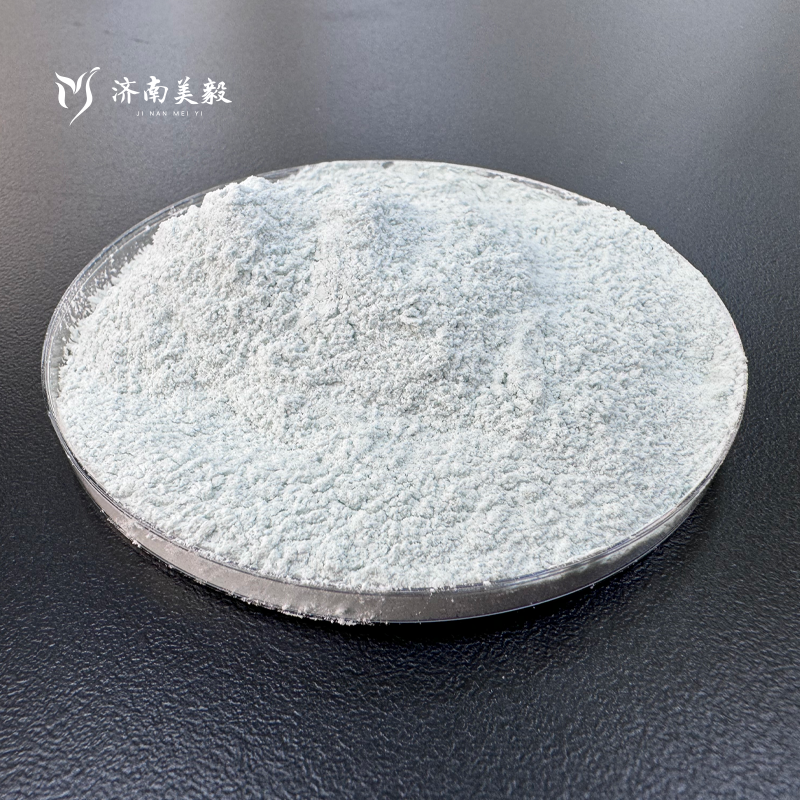
Hydroxyapatite is a naturally occurring calcium phosphate mineral with the chemical formula Ca₁₀(PO₄)₆(OH)₂, and is the main inorganic component of vertebrate bones and teeth. In the human body, hydroxyapatite accounts for approximately 60-70% of bone tissue and over 90% of tooth enamel.
This material possesses a unique crystal structure, belonging to the hexagonal crystal system, which gives it superior physical and chemical properties. Modern technology allows for the synthesis of hydroxyapatite through various methods, including hydrothermal synthesis, precipitation, and sol-gel methods, enabling precise control over its purity, crystal structure, and particle morphology according to different application requirements.
Mechanism of action: Biocompatibility and bioactivity
Hydroxyapatite is highly favored in the biomedical field primarily due to two key characteristics:
Biocompatibility: Because hydroxyapatite is a component of human bones and teeth, it has a natural affinity with human tissues and does not cause rejection or toxic reactions.
Bioactivity: When hydroxyapatite comes into contact with living tissue, a series of reactions occur at the material-tissue interface, forming chemical bonds and promoting the growth of new bone tissue on its surface. This osteoconductive property guides bone cells to migrate, attach, and proliferate on its surface.
At the molecular level, hydroxyapatite interacts with surrounding tissues through ion exchange. Calcium and phosphate ions on its surface can exchange with biomolecules in body fluids, promoting protein adsorption and cell attachment, thereby initiating the tissue repair process.
Multiple functions: from medical treatment to daily care
Hydroxyapatite has a wide range of applications, mainly in the following areas:
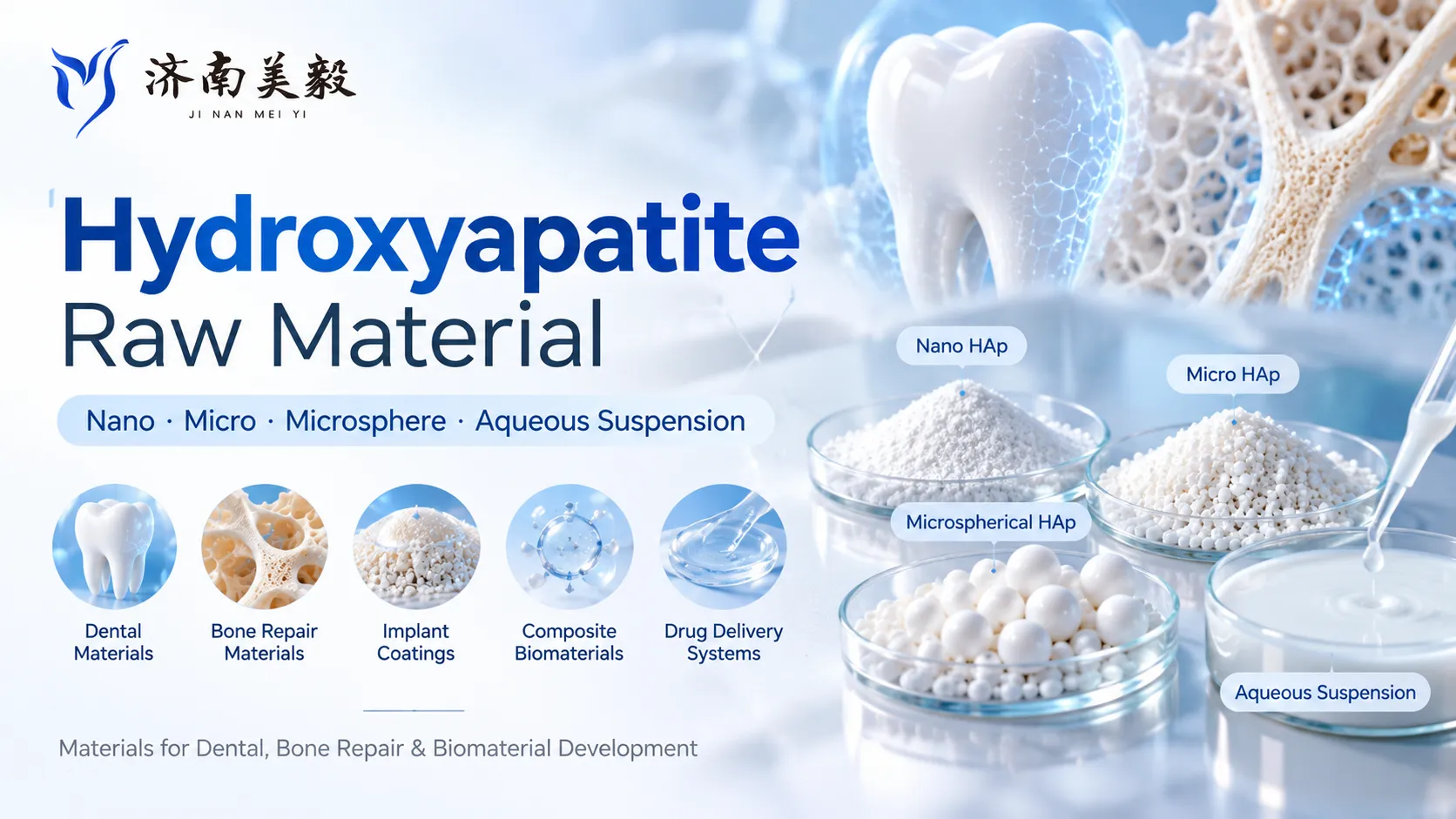
Orthopedic applications: As a bone defect repair material, it is used to fill bone defects caused by trauma, tumor resection, or congenital diseases; as a bone graft material, it is compounded with polymers to produce biodegradable bone plates, bone screws, and other internal fixation devices.
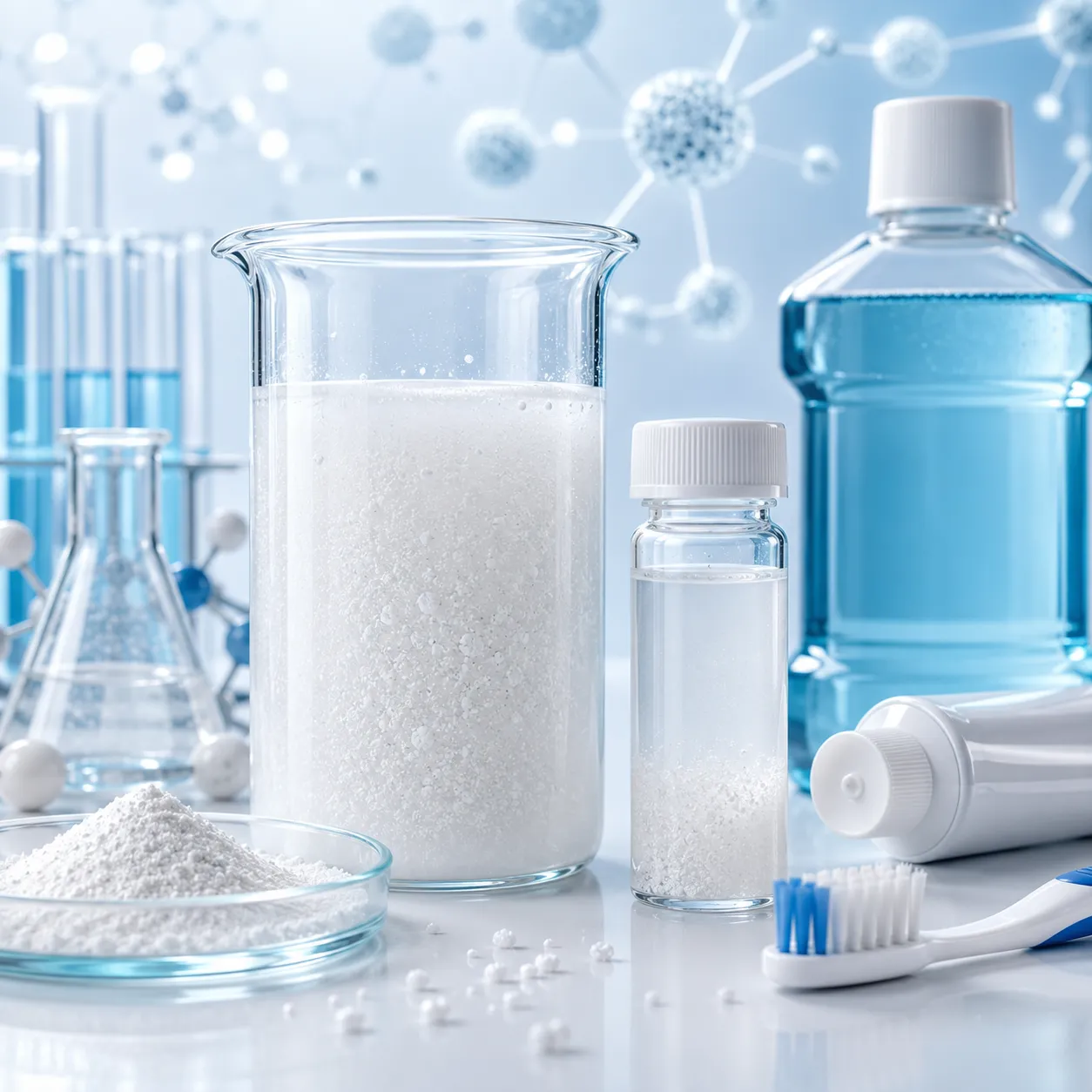
Dental field: Used for alveolar ridge reconstruction, tooth socket filling, and periodontal bone defect repair; as a toothpaste additive, it can remineralize tooth enamel, repair early caries, and effectively reduce tooth sensitivity.
Drug delivery systems: Due to its porous structure and adsorption properties, it can be used as a drug carrier to achieve targeted and sustained drug release.
Cosmetic medicine: As a soft tissue filler, it is used for facial contouring and wrinkle filling, offering a safer and more long-lasting alternative to traditional fillers.
Hydroxyapatite, as a highly biocompatible material, is helping countless people rebuild strong bones, teeth, and healthy tissues. The scientific application of this natural mineral perfectly exemplifies the harmonious coexistence of nature and technology, and also points the way for the future development of biomaterials.






Please leave us a message.