



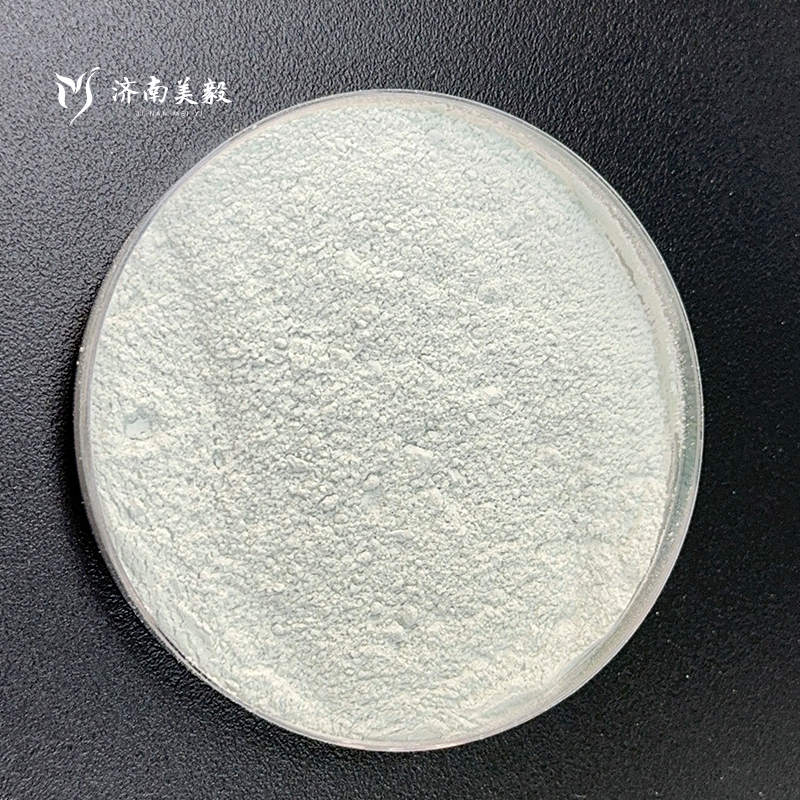
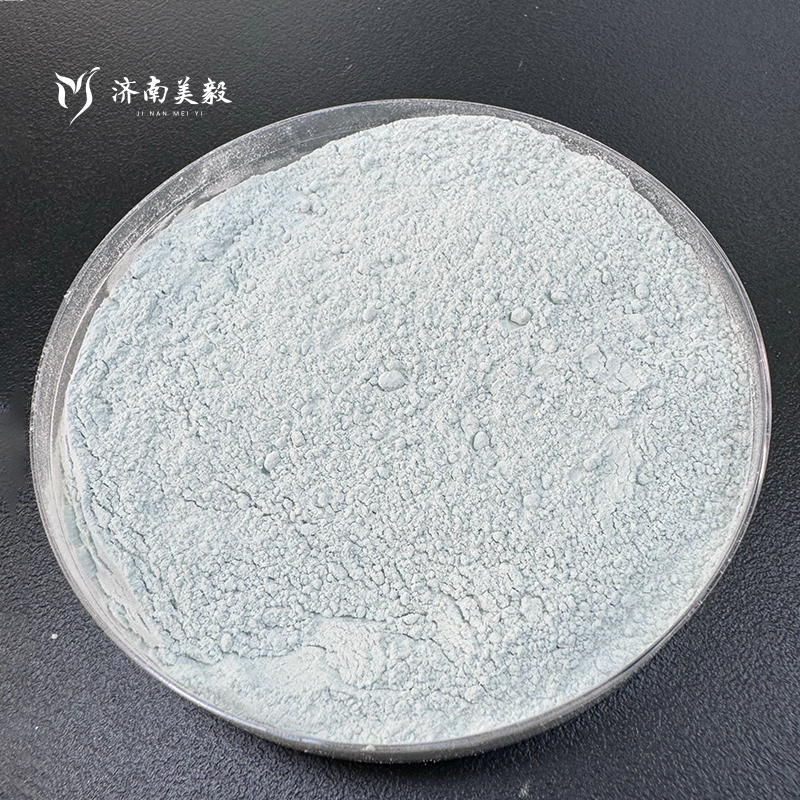
(SOD-bio-2k) Medical Superoxide Dismutase
Recombinant Human Superoxide Dismutase with enzyme activity ≥10000 U/mg, purity ≥95%, stable dimer structure and molecular weight of 32 kDa.
Description
marker
Medical Superoxide Dismutase Product Description
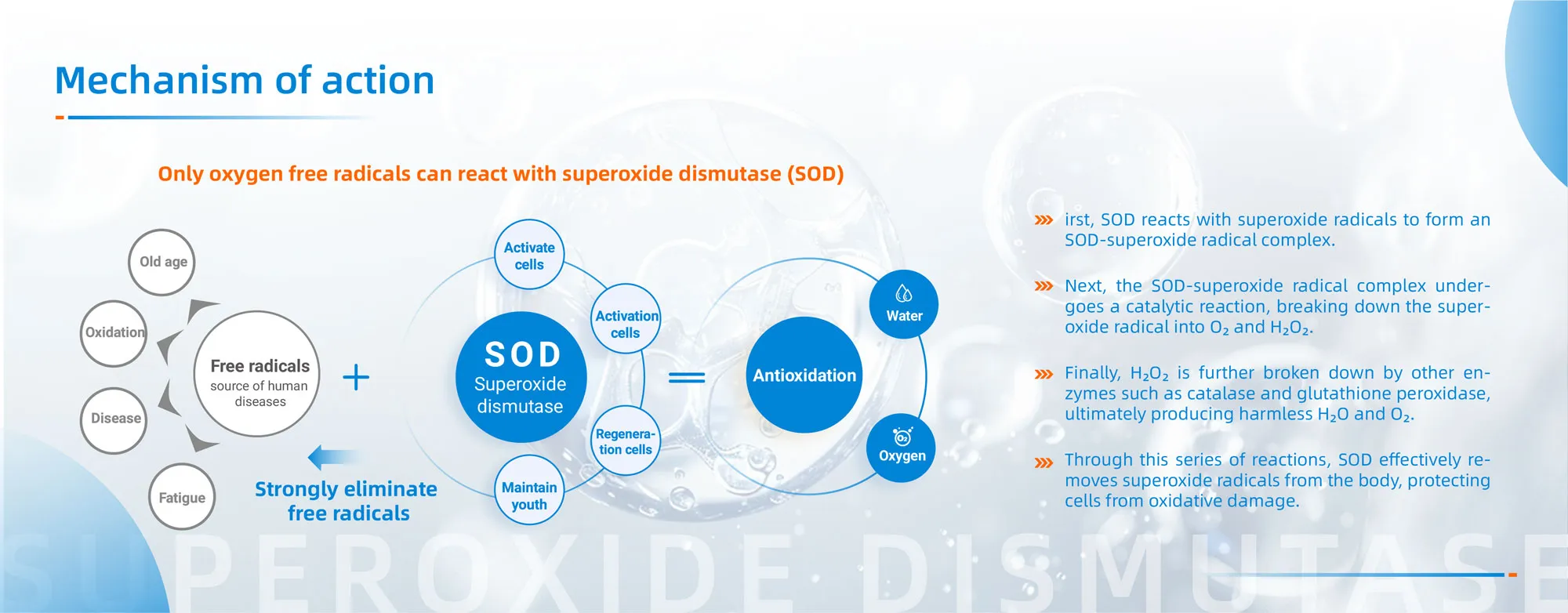
Superoxide dismutase (SOD) is an antioxidant metalloenzyme widely present in living organisms and possesses very important biological activity. Its main function is to catalyze the disproportionation reaction of superoxide anion radicals (.O₂⁻), converting them into hydrogen peroxide (H₂O₂) and oxygen (O₂), thereby scavenging free radicals and protecting cells from oxidative damage. It plays an important role in disease prevention and improving human immunity, and also plays a significant role in anti-aging, anti-tumor, and anti-inflammatory
Medical Superoxide Dismutase Product Specification
| Medical Product Type | Model | Application Features | Specification | Lead Time | Patent Information | Technical Documentation Package |
| Radiation protection sprays, SOD assay kits, repair gels, liquid dressings | ≥2000U/mg | Long-term stable care type | 5g/10g/50g | 14 days | CN202610516832.1 CN202610742561.1 CN202610204331.X |
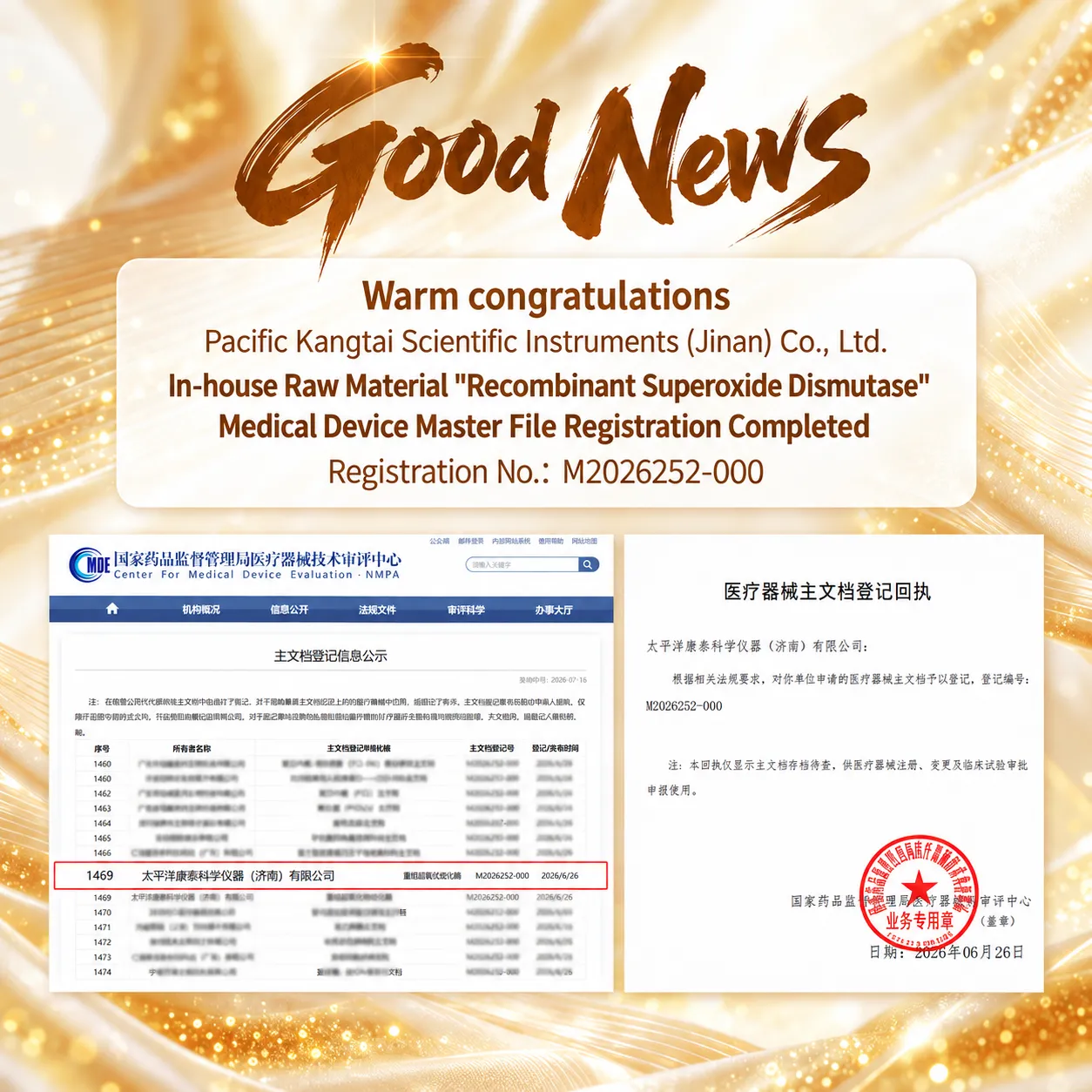
Medical Device Master File Registration with the National Medical Products Administration + Third-party Inspection Report + COA (Chinese/English) + MSDS (Chinese/English) |
Superoxide Dismutase Functional Role
I.Antioxidant Action (Primary Function)
●SOD is the body’s natural first-line antioxidant enzyme.
●Its main function is to catalyze the conversion of superoxide anions (O₂⁻) into hydrogen peroxide (H₂O₂) and oxygen (O₂).
●It prevents oxidative cell damage by reducing the accumulation of reactive oxygen species (ROS).
II.Anti-inflammatory effects
●ROS are amplifying factors in inflammatory responses.
●RhSOD inhibits inflammatory signaling pathways (such as NF-κB) by scavenging superoxide anions.
●It can reduce tissue damage and the release of inflammatory factors.
III. Anti-aging effects
●Accumulation of ROS in the body leads to cellular senescence and tissue degeneration.
●RhSOD can protect cell membranes, proteins, and DNA.
●Suitable for skin care and anti-aging applications.
IV.Cell Protection and Repair (Cytoprotective)
●Protects cell survival under oxidative stress conditions
●Promotes functional recovery of damaged cells
●Can be used in tissue engineering or to assist in wound healing
V.Immune Modulation
●Indirectly regulates immune responses by reducing oxidative stress.
●Can reduce tissue damage caused by excessive activation of the immune system.
Superoxide Dismutase Usage Format
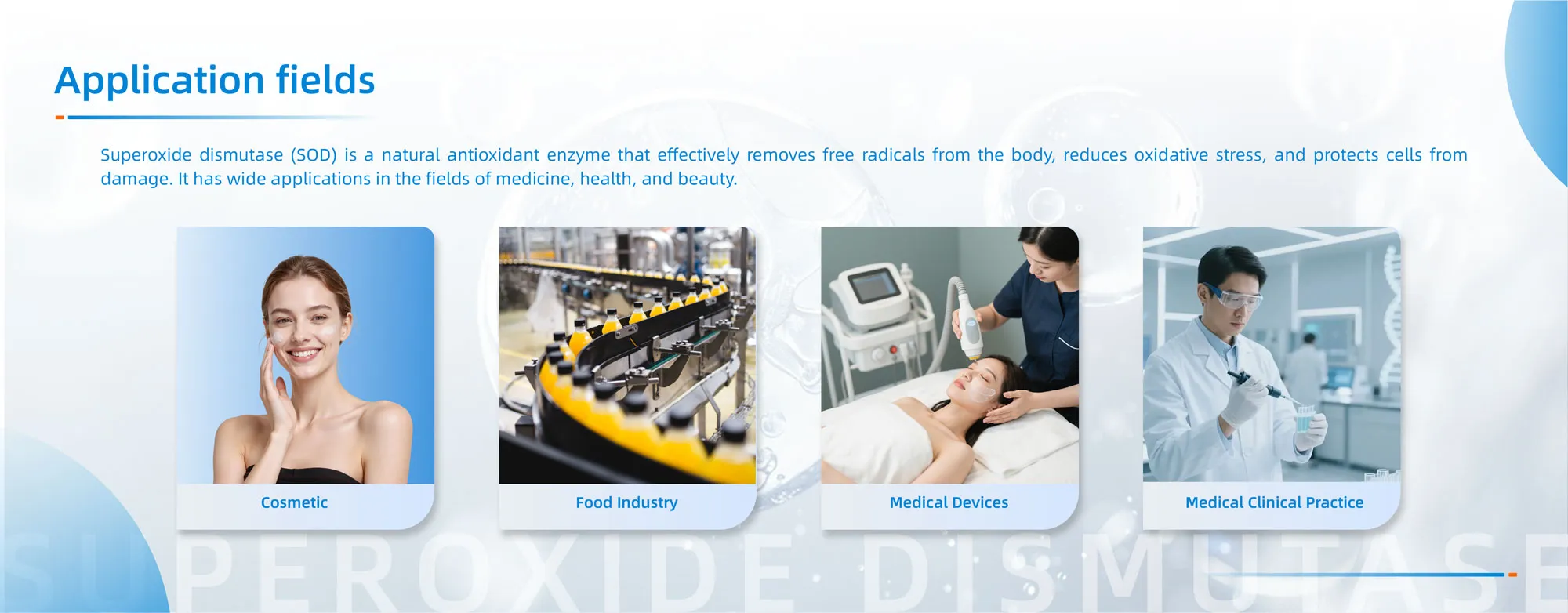
1.Skin Care / Anti-Aging: Add to creams, serums, and face masks; requires maintaining stable protein activity at trace levels.
2.Medical / Wound Healing: Can be combined with hydrogels, dressings, or tissue engineering scaffolds to aid in wound repair.
3.Functional Health Products: Capsules or oral preparations (requires protection of protein activity from digestive enzymes).
4.Tissue Engineering / Biomaterial Composites: Combined with scaffolds or biomaterials to provide localized oxidative protection.

contact us
Related popular products
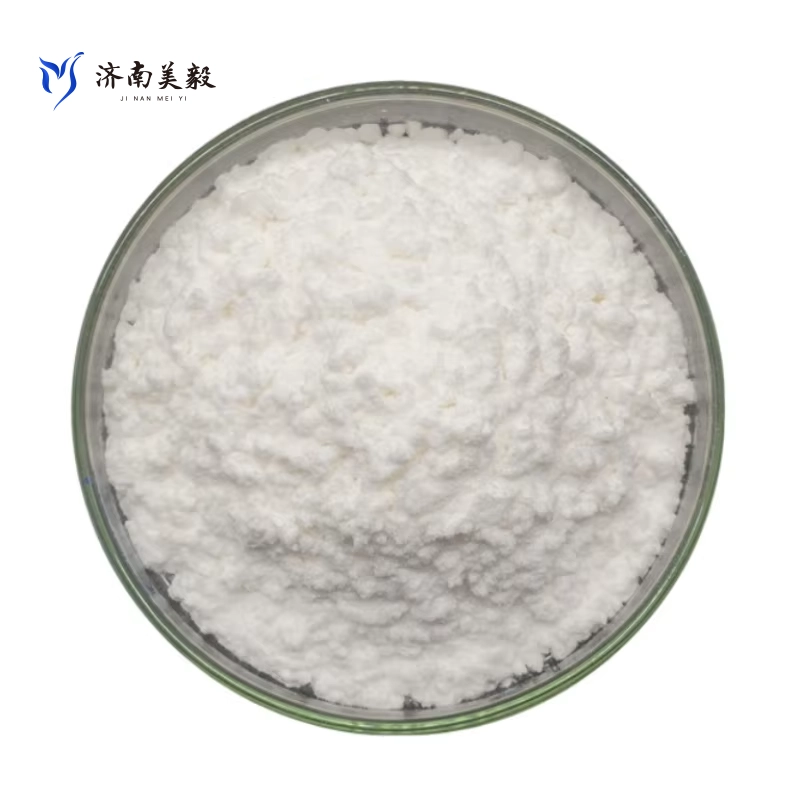
Daily-use Hydroxyapatite
Bone repair materials, injectable bone fillers, bioactive coatings for metal implants, hemostatic material 3D-printed scaffolds, antibacterial metal-loaded composite scaffolds, tooth desensitizers, dental composite resin fillers, dental implant coatings, tooth root implantation, dental defect filling, drug and gene delivery carriers, maxillofacial surgical repair membranes, wound dressings
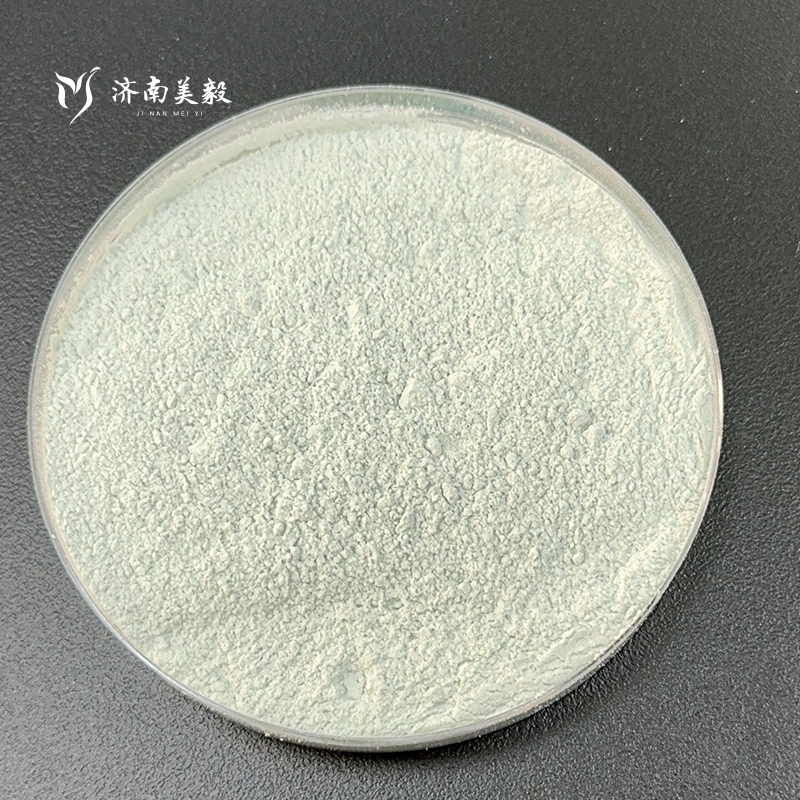
Daily-use Recombinant Human Superoxide Dismutase
Recombinant Human Superoxide Dismutase with enzyme activity ≥10000 U/mg, purity ≥95%, stable dimer structure and molecular weight of 32 kDa.
(SOD-1W) Medical Superoxide Dismutase
Recombinant Human Superoxide Dismutase with enzyme activity ≥10000 U/mg, purity ≥95%, stable dimer structure and molecular weight of 32 kDa.
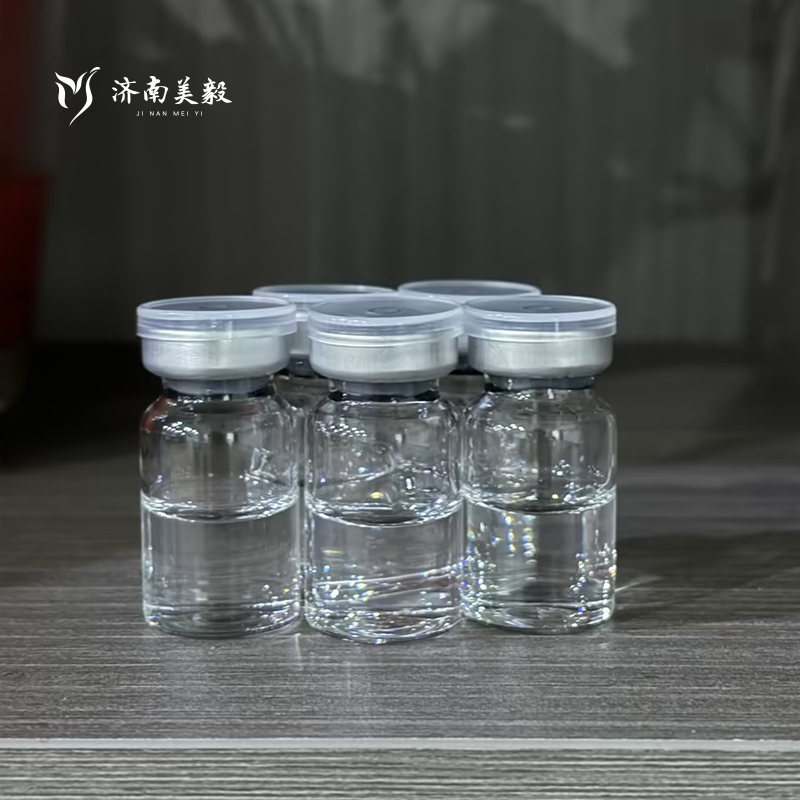
Liquid Dressing
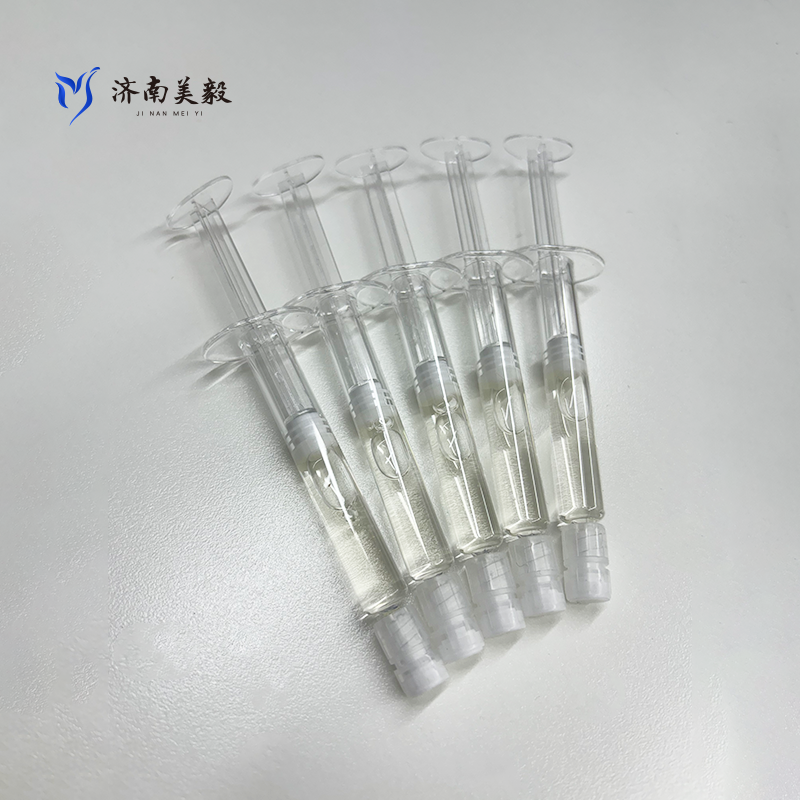
Medical-grade recombinant collagen and hyaluronic acid blend designed for advanced tissue repair and skin regeneration. Enhances hydration, supports wound healing, and improves skin elasticity. Ideal for medical, aesthetic, and biomedical applications.
HairG Hair Serum
HairG Hair Growth Serum features PDRN and targeted hair-growth peptides to support scalp balance and hair vitality. It helps soothe and nourish the scalp, improve the scalp environment, strengthen the scalp barrier, and support healthier, thicker-looking hair. The minimalist, additive-free formula contains no hormones, preservatives, or harsh ingredients, making it gentle and suitable for sensitive scalps.
(SDK Type)Medical Microsphere Hydroxyapatite
Bioactive coating for implant surfaces, bone repair materials Long-lasting superficial subcutaneous injection Long-lasting regenerative medical aesthetic filler (deep subcutaneous and supraperiosteal injection)
(DK Type)Medical Microsphere Hydroxyapatite
Dental desensitizers, hemostatic materials, wound dressing materials Rapid-effect superficial subcutaneous injection Rapid-effect medical aesthetic filler (deep subcutaneous and supraperiosteal injection)
Polydeoxyribonucleotide
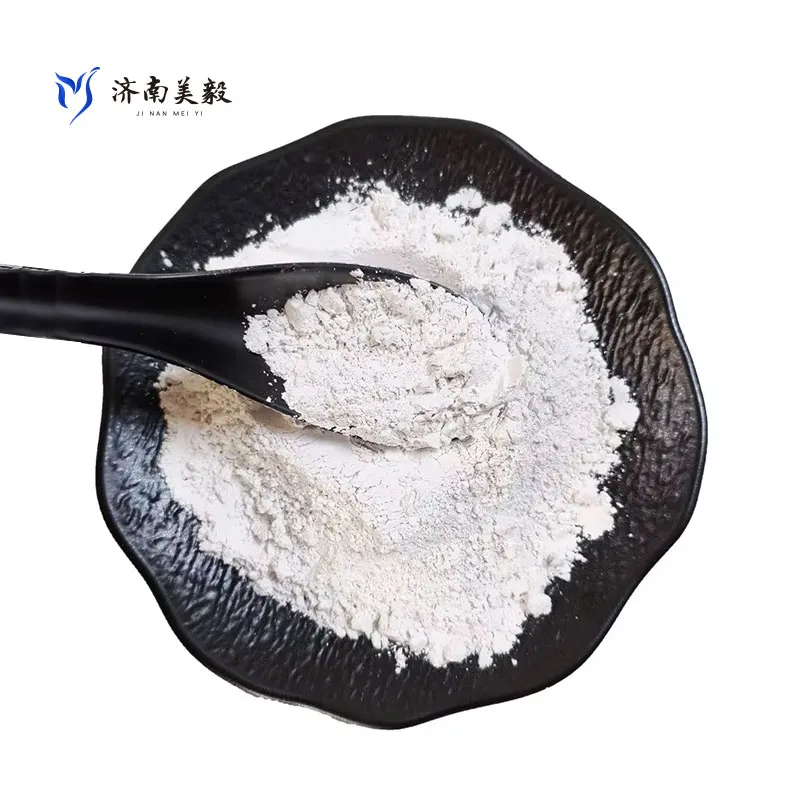
PDRN (polydeoxynucleotide) is a DNA fragment extracted from salmon cells. It shares approximately 98% homology with human DNA. Self-produced PDRN has a molecular weight ≤100 bp and provides nucleic acid bases during cellular metabolism.
Daily-use 45S5 Bioactive Glass
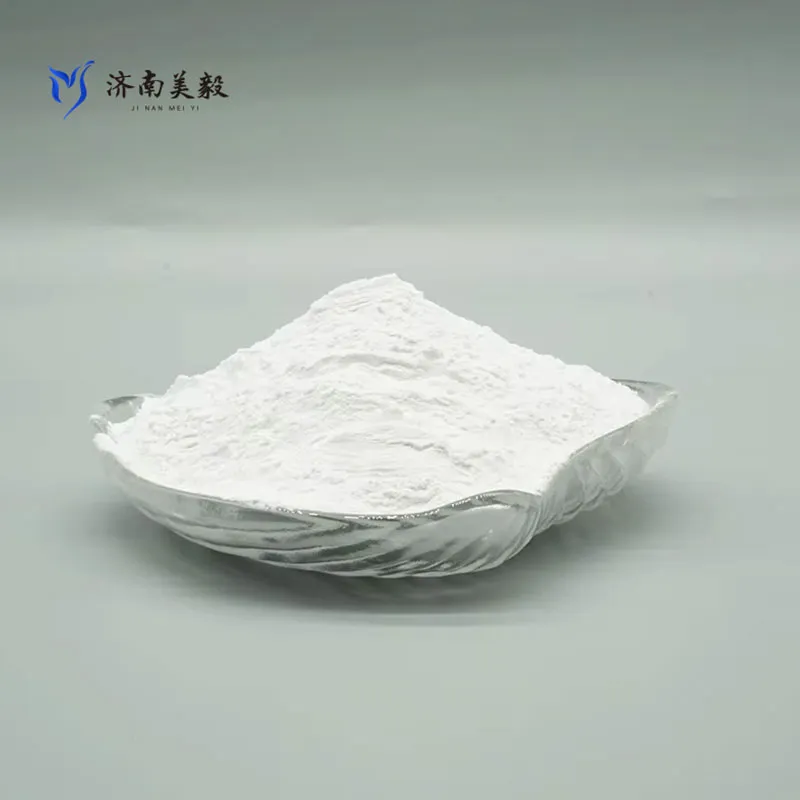
45S5 Bioactive Glass is a clinically proven bioactive material known for excellent bone regeneration, osteoconductivity, and biocompatibility. It stimulates hydroxyapatite formation and is widely used in bone repair, dental, and medical applications.
Reparied Cream
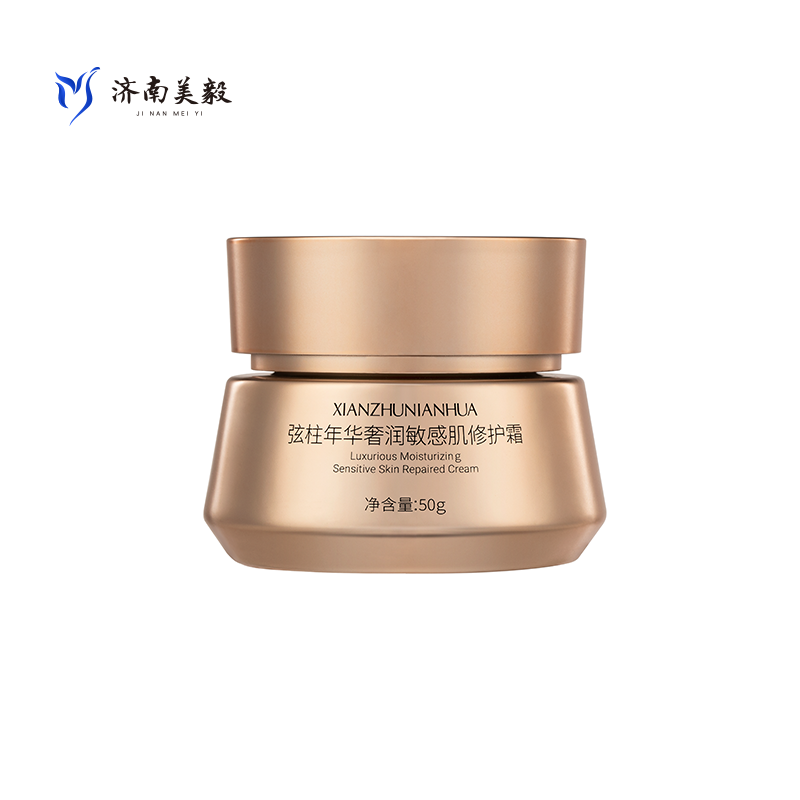
This face cream is formulated with salmon-derived PDRN, combined with SOD, niacinamide, squalane, pro-xylane, panthenol, and peptides. It helps maintain skin hydration, comfort, and a healthy-looking appearance while supporting the skin’s natural barrier. The lightweight texture absorbs easily without greasiness, making it suitable for daily use. Free from alcohol, hormones, and heavy metals, it is designed for regular skincare routines and can also be applied as a mask for extra nourishment.
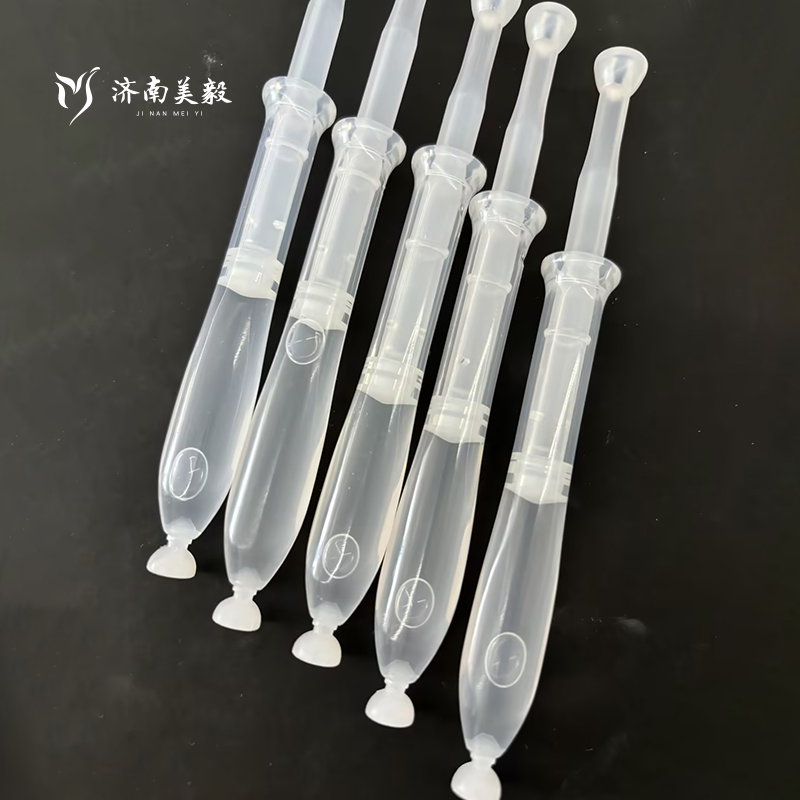
Recombinant Collagen Gel
This product uses 100% medical-grade recombinant type III collagen, exhibiting excellent biocompatibility and no risk of immune rejection. When used in conjunction with hyaluronic acid, it supports mucosal hydration and barrier protection. At 37°C, it forms a breathable protective film without any foreign body sensation. It contains no animal-derived ingredients, hormones, alcohol, or chemical cross-linking agents, making it suitable for daily and recovery care.
(HD Type) Medical Microsphere Hydroxyapatite
Local drug/active ingredient sustained-release carriers, drug-loaded coatings Drug-loaded sustained-release carriers Active-guided bone regeneration microspheres, balanced tissue-integration medical aesthetic fillers, hemostatic microspheres
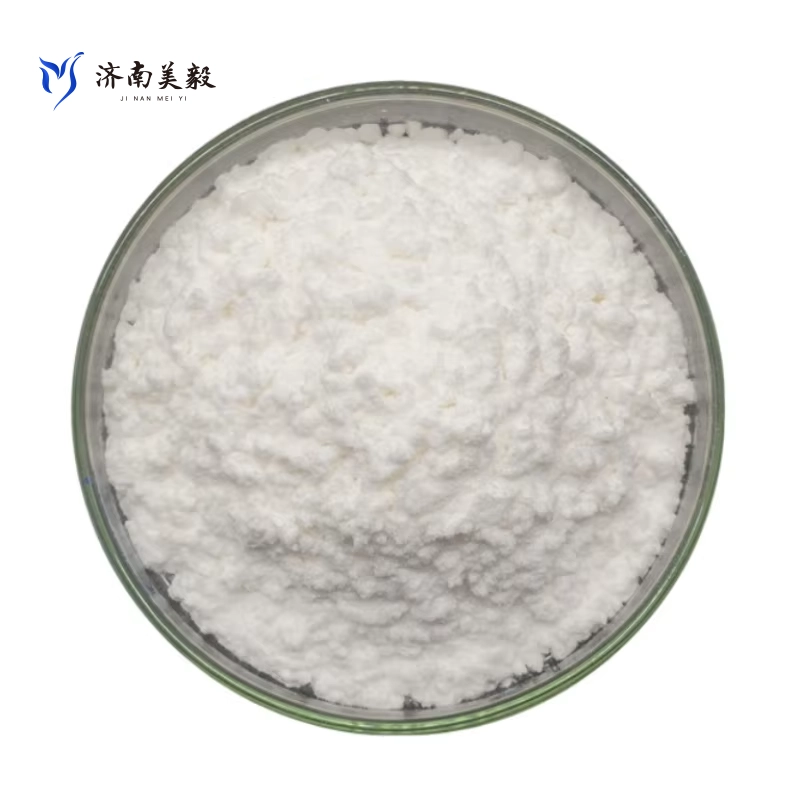
High Quality Hyaluronic Acid
High-purity hyaluronic acid (sodium hyaluronate) powder designed for cosmetic and skincare formulations. Provides excellent moisture retention, improves skin hydration, and enhances product performance. Ideal for serums, creams, masks, and professional skincare products. Bulk supply and OEM packaging available for global manufacturers.
Medical 45S5 Bioactive Glass
Medical 45S5 Bioactive Glass is a clinically proven bioactive material known for excellent bone regeneration, osteoconductivity, and biocompatibility. It stimulates hydroxyapatite formation and is widely used in bone repair, dental, and medical applications.
(SOD-bio-5k) Medical Superoxide Dismutase
Recombinant Human Superoxide Dismutase with enzyme activity ≥10000 U/mg, purity ≥95%, stable dimer structure and molecular weight of 32 kDa.
Medical Nano Hydroxyapatite
Bone repair materials, injectable bone fillers, bioactive coatings for metal implants, hemostatic material 3D-printed scaffolds, antibacterial metal-loaded composite scaffolds, tooth desensitizers, dental composite resin fillers, dental implant coatings, tooth root implantation, dental defect filling, drug and gene delivery carriers, maxillofacial surgical repair membranes, wound dressings



Please leave us a message.