

Cosmetic Grade Superoxide Dismutase: What Skincare Brands Should Know
2026-06-25

Introduction: Why Superoxide Dismutase Is Gaining Attention in Skincare
As skincare brands continue to focus on antioxidant protection, barrier care, and advanced anti-aging formulas, cosmetic grade superoxide dismutase is becoming an ingredient worth watching. Also known as SOD, superoxide dismutase is an enzyme-based antioxidant that helps protect the skin from oxidative stress caused by environmental factors such as UV exposure, pollution, and daily external aggressors.
For modern skincare brands, SOD offers a more technical and science-driven positioning compared with many traditional antioxidants. It is commonly used in serums, creams, masks, after-sun products, and premium repair-focused skincare formulas. For formulators and brand owners, understanding the benefits, stability, quality standards, and application potential of cosmetic grade superoxide dismutase is essential before adding it to a product line.
What Is Cosmetic Grade Superoxide Dismutase?
Superoxide dismutase is a naturally occurring antioxidant enzyme found in many living organisms. In skincare, cosmetic grade SOD is used as an active ingredient to help support the skin’s defense against free radical damage.
Unlike some conventional antioxidants that work by directly donating electrons, SOD works through an enzymatic antioxidant pathway. Its key role is to help convert superoxide radicals into less reactive molecules, reducing oxidative stress at an early stage. This makes it an interesting ingredient for formulas designed around anti-aging, skin protection, calming care, and environmental defense.
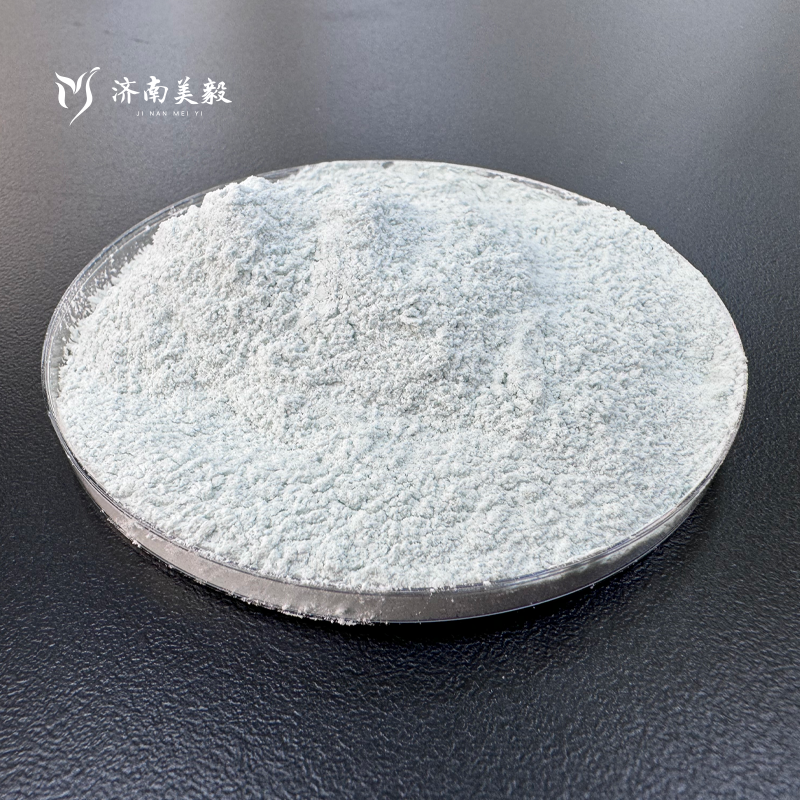
Cosmetic grade superoxide dismutase is usually supplied as a powder or solution, depending on the manufacturer and intended formulation. For B2B buyers, important specifications may include appearance, enzyme activity, purity, solubility, recommended dosage, storage conditions, and compatibility with different cosmetic systems.

Why Skincare Brands Use Superoxide Dismutase
1. Antioxidant Protection for Modern Skincare
Oxidative stress is one of the major concerns in skincare product development. UV exposure, pollution, blue light, stress, and environmental changes can all contribute to the formation of reactive oxygen species. These factors are often associated with premature aging signs, dullness, uneven tone, and weakened skin appearance.
SOD helps brands create products positioned around antioxidant defense. It can be used in daily protective formulas, repair-focused serums, and premium anti-aging skincare products.
2. Supports Anti-Aging Formulation Concepts
Skincare brands often use antioxidants to support formulas targeting visible signs of aging. Cosmetic grade superoxide dismutase can be positioned for products that aim to improve the look of tired, stressed, or environmentally exposed skin.
In marketing language, it is better to describe SOD as helping to protect the skin from oxidative stress and supporting a healthier-looking complexion, rather than making medical or exaggerated anti-aging claims.
3. Suitable for Premium and Science-Based Brand Positioning
SOD is especially suitable for brands that want to build a more technical skincare story. Compared with common antioxidants such as vitamin C or vitamin E, superoxide dismutase gives brands a more advanced enzyme-based antioxidant concept.
This makes it useful for:
- Anti-aging serums
- Repair creams
- Sensitive skin formulas
- After-sun products
- Post-environmental exposure skincare
- High-end antioxidant skincare lines
- Professional beauty and spa products
4. Works Well in Combination with Other Skincare Ingredients
Superoxide dismutase can be combined with many popular cosmetic ingredients to build a more complete formula story. For example, it may be paired with:
- Hyaluronic acid for hydration support
- Peptides for anti-aging positioning
- Niacinamide for tone and barrier care
- Panthenol for soothing formulas
- Ceramides for barrier repair concepts
- Vitamin E for antioxidant support
- Plant extracts for natural antioxidant positioning
When combining SOD with other active ingredients, formulators should pay attention to pH, temperature, processing method, and overall formula stability.

Key Applications of Superoxide Dismutase in Skincare
Antioxidant Serums
Serums are one of the most suitable product formats for SOD. They allow brands to highlight active ingredients and build a clear antioxidant positioning. A serum containing superoxide dismutase can be marketed for daily environmental protection, urban skincare, and early anti-aging care.
Repair Creams and Moisturizers
Creams and moisturizers can use SOD as part of a broader barrier-support and antioxidant system. In this type of product, SOD may be combined with ceramides, peptides, squalane, panthenol, or hyaluronic acid.
Masks and Sleeping Masks
Facial masks are ideal for brands that want to create a high-value skincare experience. SOD can be included in hydrating, soothing, or revitalizing mask formulas to strengthen the product’s antioxidant concept.
After-Sun and Outdoor Skincare Products
Because environmental exposure is closely linked with oxidative stress, superoxide dismutase is also suitable for after-sun and outdoor skincare products. It can support formulas designed for skin that feels stressed after sunlight, pollution, or outdoor activity.
Sensitive Skin and Calming Formulas
Many brands are moving toward gentle, barrier-friendly antioxidant skincare. SOD can be used in sensitive skin formulas when the overall formulation is mild, well-tested, and supported by suitable soothing ingredients.

What Skincare Brands Should Check Before Buying Cosmetic Grade SOD
Choosing the right superoxide dismutase supplier is important because enzyme-based ingredients require more attention than ordinary cosmetic powders. Brands and formulators should evaluate the following points before purchasing.
1. Enzyme Activity
For SOD, activity is one of the most important quality indicators. Buyers should ask whether the supplier provides clear activity data and batch-to-batch consistency. The activity level may affect how the ingredient performs in the final formulation.
2. Cosmetic Grade Quality
Brands should confirm that the material is suitable for cosmetic use. A reliable supplier should provide technical documents such as a specification sheet, COA, MSDS, recommended application information, and storage guidance.
3. Stability Information
SOD is an enzyme, so stability matters. Temperature, pH, light exposure, water activity, and processing conditions may affect its performance. Skincare brands should ask the supplier for recommended formulation conditions and storage requirements.
4. Solubility and Formulation Compatibility
Depending on the product format, formulators need to know whether the SOD ingredient is suitable for water-based formulas, emulsions, gels, creams, or masks. Solubility and compatibility can influence manufacturing efficiency and final product stability.
5. Source and Production Method
Different suppliers may offer SOD from different sources or production methods. For premium skincare brands, recombinant superoxide dismutase may be attractive because it can support a more controlled and modern ingredient story.
6. Documentation and Regulatory Support
For international skincare brands, documentation is essential. Before purchasing, brands should confirm whether the supplier can provide the necessary product information for registration, formulation review, import, export, and marketing support.

Formulation Tips for Superoxide Dismutase
Because SOD is an active enzyme ingredient, it should be handled carefully during formulation. Here are several general tips for cosmetic formulators:
Avoid Excessive Heat
High processing temperatures may reduce enzyme activity. It is often better to add SOD during the cooling phase when the formulation temperature is lower.
Control pH Range
The final pH of the formula should be compatible with the ingredient’s stability. Brands should follow supplier recommendations and conduct stability testing before launch.
Protect from Strong Oxidizing Conditions
Since SOD is used as an antioxidant ingredient, formulators should avoid harsh conditions that may reduce its activity or affect its structure.
Consider Encapsulation or Delivery Systems
For advanced formulas, encapsulation, liposomes, or other delivery systems may help improve stability and support better product performance.
Conduct Formula Stability Testing
Even if the raw material is stable under recommended storage conditions, the final cosmetic formula still needs stability testing. Brands should check appearance, odor, pH, viscosity, microbial status, and active ingredient stability over time.
How to Position SOD in Skincare Marketing
For skincare brands, SOD can be positioned as a premium antioxidant ingredient. However, marketing claims should remain cosmetic, realistic, and compliant.
Better claim directions include:
- Helps protect skin from oxidative stress
- Supports antioxidant defense
- Helps improve the appearance of stressed skin
- Supports a healthier-looking complexion
- Suitable for anti-aging skincare formulas
- Helps maintain skin vitality
- Ideal for environmental protection skincare
Avoid making drug-like claims such as treating diseases, repairing DNA, curing inflammation, or reversing medical skin conditions.
Superoxide Dismutase vs Traditional Antioxidants
Many skincare brands already use antioxidants such as vitamin C, vitamin E, ferulic acid, coenzyme Q10, green tea extract, and glutathione. SOD does not need to replace these ingredients. Instead, it can be used as part of a multi-antioxidant system.
The key difference is that SOD is an enzyme-based antioxidant. This gives brands a more technical story and allows formulators to create a layered antioxidant strategy. For example, a formula may combine SOD with vitamin E, hyaluronic acid, peptides, and soothing ingredients to create a premium antioxidant repair serum.
Who Should Use Cosmetic Grade Superoxide Dismutase?
Cosmetic grade superoxide dismutase is suitable for:
- Skincare brands developing antioxidant product lines
- Anti-aging skincare brands
- Professional beauty brands
- Sensitive skin product developers
- Cosmetic formulators
- Contract manufacturers
- Private label skincare companies
- Ingredient distributors
- Brands focusing on science-based skincare
It is especially suitable for brands that want to upgrade their antioxidant story and differentiate their products from standard formulas.
FAQ: Cosmetic Grade Superoxide Dismutase
Is superoxide dismutase good for skincare?
Yes. Superoxide dismutase is used in skincare as an antioxidant ingredient. It helps support skin protection against oxidative stress and is often used in anti-aging, repair, calming, and environmental defense formulas.
What is the INCI name of superoxide dismutase?
The commonly used INCI name is Superoxide Dismutase. Brands should confirm the exact INCI declaration with their supplier and regulatory team before final product labeling.
Can SOD be used in serums?
Yes. SOD is suitable for antioxidant serums, especially water-based or advanced delivery systems. Formulators should check solubility, pH, processing temperature, and stability before production.
Is SOD suitable for sensitive skin formulas?
SOD can be used in gentle and sensitive skin formulas when the overall formulation is mild and well-tested. It is often paired with soothing and barrier-support ingredients.
What should brands look for in a SOD supplier?
Brands should look for enzyme activity data, cosmetic grade quality, COA, specification sheet, MSDS, stability guidance, formulation support, and reliable batch consistency.
Conclusion
Cosmetic grade superoxide dismutase is a valuable antioxidant ingredient for skincare brands that want to create more advanced, science-based formulas. With its enzyme-based antioxidant mechanism, SOD can support product concepts around anti-aging, environmental protection, sensitive skin care, and skin vitality.
For skincare brands and formulators, the key to using SOD successfully is choosing a reliable supplier, understanding activity and stability requirements, and designing formulas that protect the ingredient’s performance. When used properly, superoxide dismutase can help brands build a stronger antioxidant skincare story and create differentiated products for today’s competitive beauty market.
CTA
Looking for cosmetic grade superoxide dismutase for skincare formulation? Contact us to learn more about SOD powder specifications, application guidance, sample availability, and formulation support for your next antioxidant skincare product.






Please leave us a message.